



 English
 中文简体
中文简体 русский
NEWS
 Home / News / Industry News / How Does a Smart Capacitor Relay Work in Reactive Power Compensation Systems? Home / News / Industry News / How Does a Smart Capacitor Relay Work in Reactive Power Compensation Systems?
Content
Modern electrical networks are experiencing increasing pressure from rising energy demand, complex load variations, and stricter efficiency requirements. In industrial, commercial, and utility-scale power distribution systems, one of the most persistent technical challenges is poor power factor and excessive reactive power consumption. These issues directly lead to energy losses, reduced system capacity, voltage instability, and higher operational costs.
Traditionally, capacitor banks have been used to compensate reactive power and improve power factor. However, conventional switching methods often rely on fixed logic or manual control, which cannot respond efficiently to rapidly changing load conditions. As a result, energy compensation becomes inaccurate, leading to either under-compensation or over-compensation.
This is where the smart capacitor relay becomes a critical component in modern power systems. As a core control element in power factor correction relay system architectures, it enables real-time monitoring, automatic switching, and intelligent regulation of capacitor banks. By dynamically adjusting reactive power compensation, it significantly improves system stability and energy efficiency.
A smart capacitor relay is an intelligent control device used in low-voltage power systems to manage capacitor bank switching based on real-time power factor conditions. It replaces traditional mechanical or semi-automatic switching relays by integrating digital measurement, logic control, and automated decision-making capabilities.
In a typical intelligent capacitor bank relay system, the device continuously monitors electrical parameters such as voltage, current, and phase angle. Based on these inputs, it calculates the power factor and determines whether capacitor banks should be connected or disconnected.
Unlike conventional systems, a smart capacitor relay provides adaptive control rather than fixed-step switching. This ensures that reactive power compensation remains accurate under varying load conditions.
Key functional characteristics include:
This makes it a central component in modern automatic capacitor switching relay systems used in industrial and commercial environments.
The working principle of a smart capacitor relay is based on continuous real-time monitoring and intelligent decision algorithms.
First, voltage and current signals from the electrical system are collected through sensors. These signals are processed to calculate active power, reactive power, and power factor. The relay’s internal processor then compares the current power factor with a predefined target value.
When the system detects that the power factor drops below the required threshold, it triggers capacitor switching operations. Capacitor banks are then connected to the system to supply reactive power, improving overall efficiency. When over-compensation is detected, the relay disconnects certain capacitor groups.
This closed-loop control process allows the reactive power compensation relay to maintain optimal system performance under fluctuating loads.
A simplified operational sequence includes:
This dynamic process is what differentiates smart capacitor relay systems from traditional fixed-step compensation devices.
A smart capacitor relay system typically consists of several integrated components working together to achieve accurate power factor correction.
| Component | Function | Description |
|---|---|---|
| Voltage Sampling Unit | System voltage detection | Provides real-time voltage input for analysis |
| Current Sensor | Load current measurement | Enables accurate power calculation |
| Control Processor | Intelligent decision-making | Core unit for relay logic and computation |
| Output Relay Module | Capacitor switching execution | Controls capacitor bank connection/disconnection |
| Display Interface | Monitoring and configuration | Shows real-time system status and parameters |
In a digital power factor relay controller system, these components are tightly integrated to ensure fast response and high reliability. The design also supports modular expansion, allowing multiple capacitor stages to be controlled efficiently.
The smart capacitor relay offers several advanced features that significantly enhance power system performance.
One of the most important features is real-time monitoring of power factor conditions. This ensures that compensation is always aligned with actual load demand. Another key feature is automatic capacitor switching, which eliminates the need for manual intervention.
Energy optimization is another critical advantage. By maintaining an optimal power factor, the system reduces unnecessary reactive power flow, thereby improving overall energy efficiency. This is particularly important in industrial environments where large inductive loads are common.
Additional features include:
These features make it a highly efficient solution for modern electrical infrastructure.
The smart capacitor relay is widely used across various sectors where stable and efficient power distribution is required.
In industrial manufacturing plants, it is used to manage large inductive loads such as motors, compressors, and welding machines. These loads typically cause significant reactive power imbalance, which can be effectively corrected using automatic capacitor switching relay systems.
In commercial buildings, including shopping centers and office complexes, the device helps maintain stable power quality and reduce electricity costs. Data centers also rely heavily on precise power factor correction relay system configurations to ensure uninterrupted and efficient operation.
In renewable energy systems, such as solar and wind installations, reactive power fluctuations are common. Smart capacitor relay systems help stabilize these fluctuations and improve grid integration.
Typical application areas include:
The adoption of smart capacitor relay technology brings multiple operational and economic benefits.
One of the most significant advantages is reduced energy loss. By improving power factor, the system minimizes unnecessary reactive power circulation, which directly reduces energy waste.
Another important benefit is improved system stability. Voltage fluctuations are reduced, and electrical equipment operates under more stable conditions. This helps extend the lifespan of electrical components, especially capacitor banks.
Operational cost reduction is also a key benefit. Improved efficiency leads to lower electricity bills and reduced demand charges in industrial environments.
Additional benefits include:
These advantages make energy saving capacitor relay module systems a strategic investment for modern infrastructure.
Proper installation is essential to ensure optimal performance of a smart capacitor relay system.
The device is typically installed in low-voltage distribution panels and connected to current transformers and voltage input sources. Configuration involves setting target power factor values, switching sensitivity, and capacitor step parameters.
| Parameter | Recommended Range | Notes |
|---|---|---|
| Operating Voltage | 220V–480V | Suitable for low-voltage systems |
| Switching Time | < 100 ms | Ensures fast compensation response |
| Temperature Range | -10°C to 55°C | Industrial environment standard |
| Humidity | ≤ 85% | Non-condensing condition required |
During configuration, engineers must ensure proper coordination between capacitor stages to avoid switching oscillations. The installation guide for smart capacitor relay in capacitor bank system emphasizes correct sensor wiring and calibration as critical steps.
Compared with traditional capacitor switching methods, smart capacitor relay systems offer significant technological advantages.
Traditional systems typically rely on fixed thresholds or manual switching, which often leads to delayed response and inefficient compensation. In contrast, intelligent capacitor bank relay systems use real-time data analysis to make precise switching decisions.
Key differences include:
In industrial power distribution environments, automatic smart capacitor relay for industrial power distribution panels provides significantly better performance in terms of efficiency and reliability.
A smart capacitor relay is used to automatically control capacitor banks in electrical systems to improve power factor and reduce reactive power. It continuously monitors electrical parameters and switches capacitors in or out depending on load conditions, ensuring stable and efficient power distribution.
A smart capacitor relay improves power factor correction by dynamically adjusting capacitor switching based on real-time load demand. Instead of fixed or manual control, it uses intelligent algorithms to maintain optimal power factor levels, reducing energy loss and improving system efficiency.
A traditional relay operates based on fixed settings or manual control, while a smart capacitor relay uses real-time monitoring and automated decision-making. This allows it to respond more accurately to changing loads and provide better reactive power compensation performance.
A smart capacitor relay is commonly used in industrial plants, commercial buildings, data centers, and smart grid systems. It is especially effective in environments with large inductive loads that require continuous power factor correction.
Yes, a smart capacitor relay can reduce electricity costs by improving power factor and minimizing reactive power consumption. This reduces energy waste and can also lower utility penalties related to poor power factor in industrial and commercial facilities.
An automatic capacitor switching relay system is a setup where capacitors are switched automatically based on power demand. The smart capacitor relay acts as the control unit, ensuring that capacitor banks are connected or disconnected efficiently without manual intervention.
The smart capacitor relay has become an essential component in modern electrical infrastructure. By enabling intelligent, real-time control of capacitor banks, it significantly improves power factor correction, reduces energy loss, and enhances system stability.
As industries continue to demand higher efficiency and smarter energy management, technologies such as smart grid capacitor switching device systems and digital power factor relay controller solutions will play an increasingly important role in shaping the future of power distribution.
With its combination of automation, precision, and adaptability, the smart capacitor relay represents a key advancement in reactive power compensation technology and modern electrical system optimization.
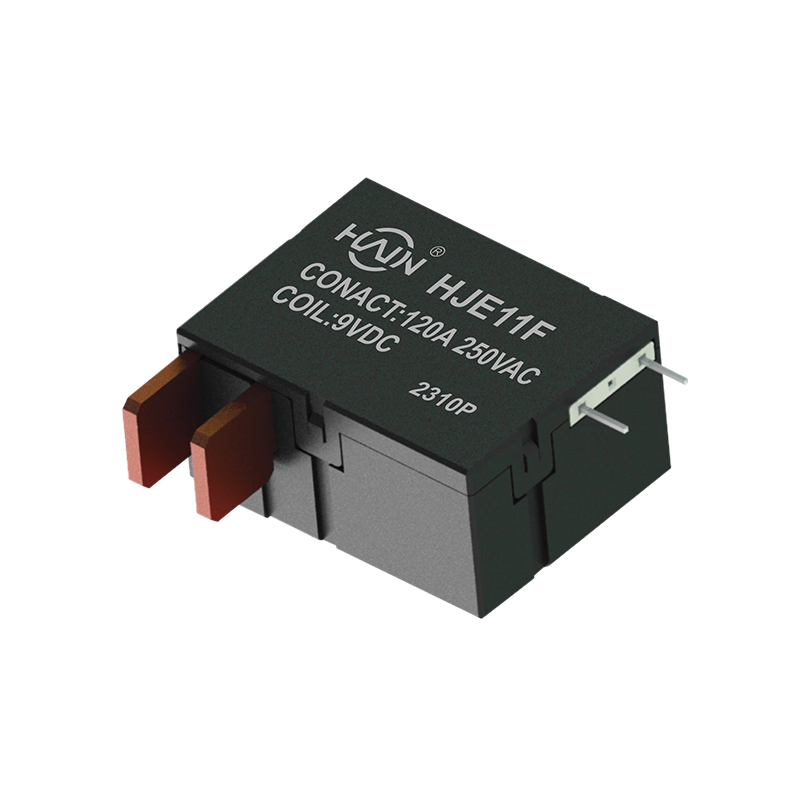
Product Definition: The HJE11F-120A-250VAC is a high-performance magnetic latching relay designed specifically for undervoltage protection systems. It supports a maximum current of 120A and is suitabl...
See Details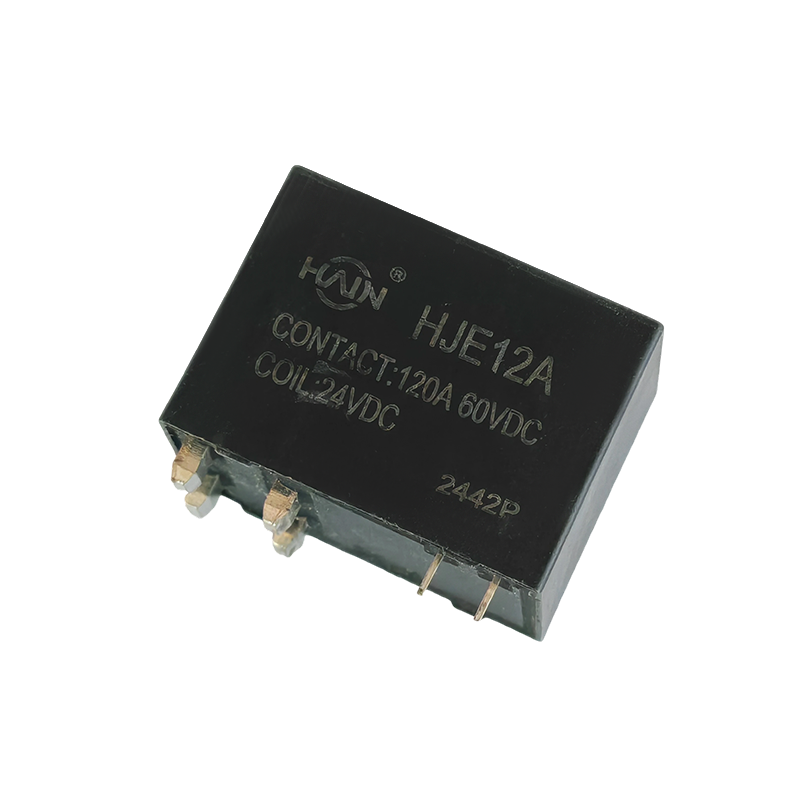
The Powerful Core of the PDU! The HJE12A-120A is a PCB-based through-hole high-power relay designed specifically for rack-mount power distribution units (PDUs), aiming to achieve PDU miniaturization, ...
See Details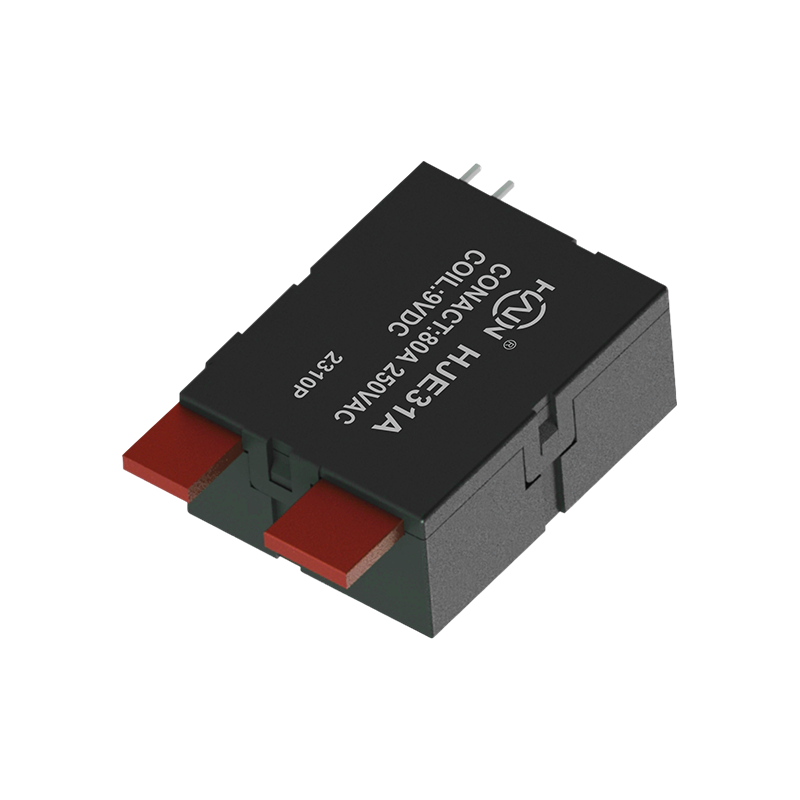
Product Definition: A bottom-in, bottom-out relay specifically designed for 2P DIN rail meters, aiming to improve installation efficiency and system reliability through optimized wiring structure.
See Details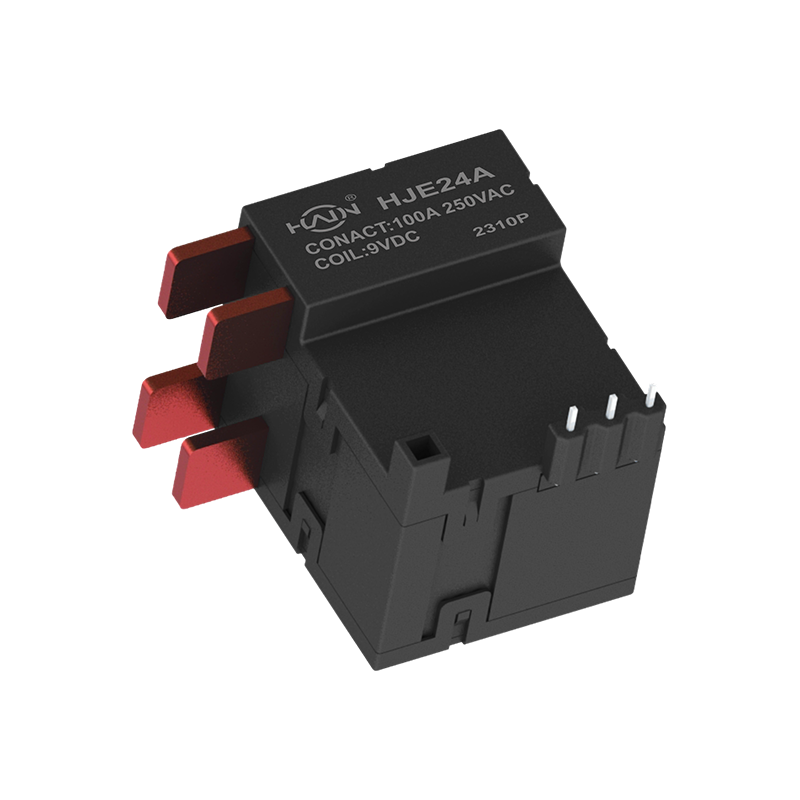
Dual-core drive, designed for demanding power control This is a high-current dual-channel relay compliant with UC3 safety standards, specifically designed for industrial scenarios requiring independen...
See Details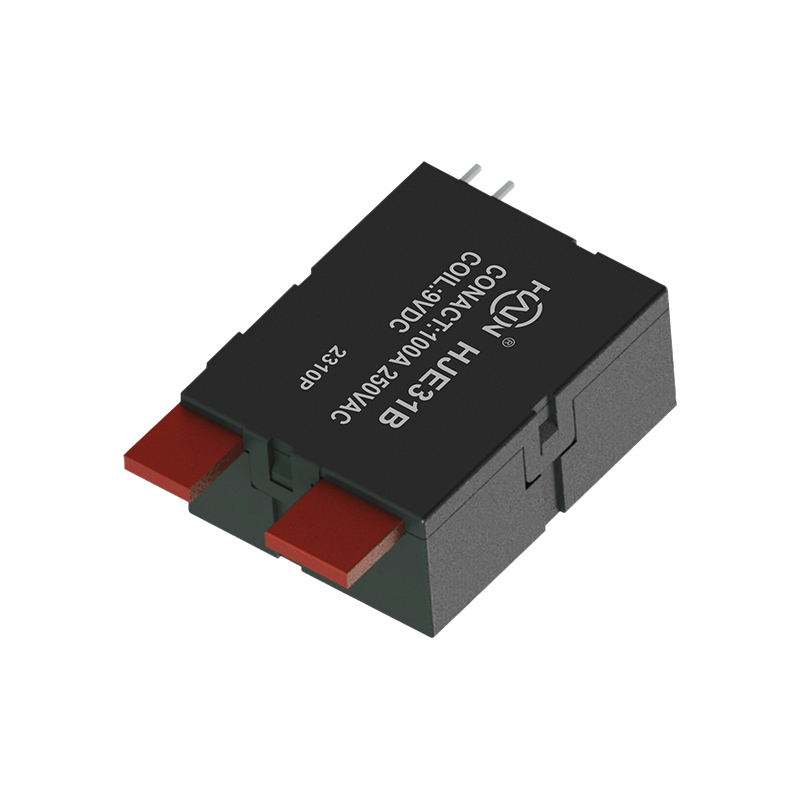
Product Definition: The HJE31B-100A is a split-type 7P DIN rail relay designed specifically for three-phase power systems. It features current monitoring, relay protection, and energy metering functio...
See Details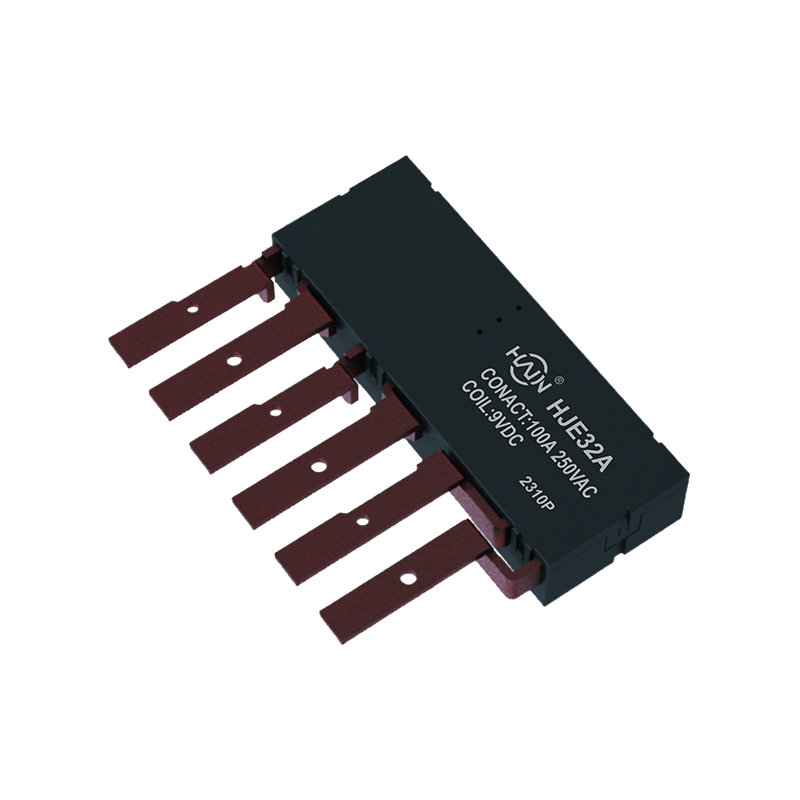
Product Definition: The HJE32A-100A is an innovative integrated three-phase relay designed specifically for 7P DIN rail meters. It aims to perfectly integrate three-phase metering and control, signifi...
See Details
 Add.
Add.
|
No. 707, Yanyu Road, Yucheng Town, Haiyan County, Jiaxing City, Zhejiang Province, China
|
 Phone
Phone
|
+86-188-5739-7300
|
 Email.
|
alio@hj-relay.com
|
Copyright @ Huajin Technology Jiaxing Co., Ltd. All rights reserved.
