
 English
 中文简体
中文简体 русский
How to Correctly Calculate Rated Current and Derating Factors for Multi-Circuit DIN Rail Mounted Relays Based on Load Types and Channel Isolation Requirements
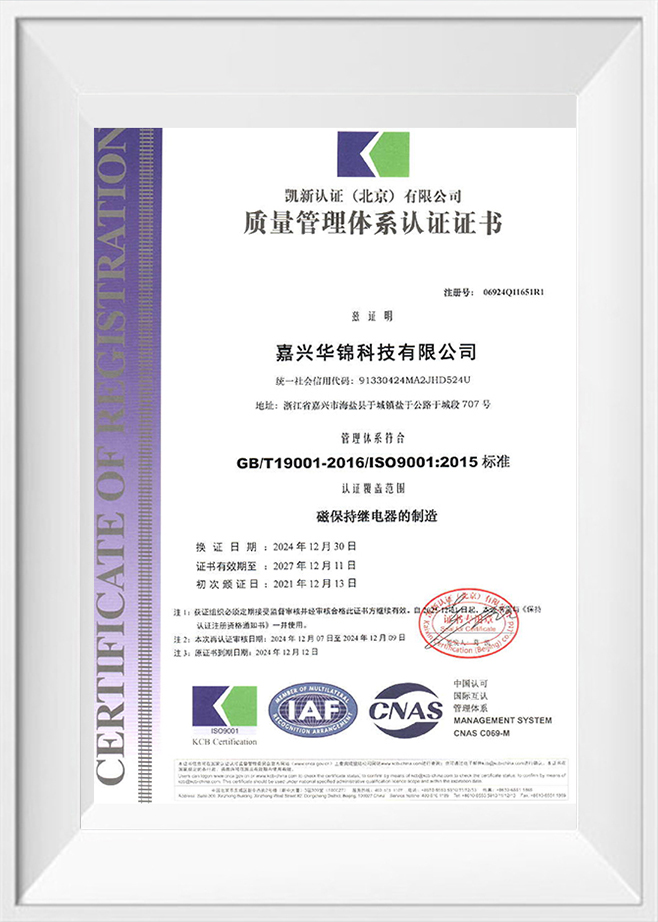
Designing reliable electrical panels requires a deep understanding of thermal management and electrical characteristics, especially when utilizing high-density components like a Multi-Circuit DIN Rail Mounted Relay. As a leading specialist in relay innovation, Huajin Technology Jiaxing Co., Ltd. leverages its advanced R&D and ISO9001-2015 certified manufacturing capabilities to engineer solutions that balance compact design with robust performance under diverse load conditions.
To ensure system longevity and prevent premature component failure, engineers must precisely calculate the rated current and apply the correct derating factors based on specific load types and channel isolation requirements.
1. Analyzing Load Types and Their Impact on Rated Current
The rated current printed on a relay's casing typically refers to a purely resistive load (AC-1). However, real-world industrial and commercial applications involve inductive, capacitive, or motor loads that generate massive inrush currents. Selecting a relay without accounting for these behaviors will lead to contact welding or catastrophic failure.
- Resistive Loads (AC-1 / DC-1): Heating elements and incandescent bulbs. The inrush current is equal to the steady-state current. Minimal derating is required.
- Inductive Loads (AC-3 / AC-15): Motors, solenoids, and transformers. These devices store energy in magnetic fields, causing inrush currents 5 to 8 times the rated running current and high inductive back-EMF during turn-off.
- Capacitive / Switching Power Supply Loads: Modern LED drivers and electronic ballasts. These create extreme, microsecond-level inrush currents up to 100 times the steady-state current due to input smoothing capacitors.
2. Determining the Multi-Circuit Derating Factor (Thermal Interaction)
When multiple relay circuits are packed closely together on a DIN rail, they experience mutual thermal heating. If all channels are energized simultaneously, the internal temperature of the module rises significantly, reducing the relay's ability to dissipate heat.
To calculate the safe operating current, use the following calculation formula:
Safe Operating Current (I_safe) = Rated Current (I_rated) × Load Factor (F_load) × Thermal Factor (F_thermal)
Where "I_rated" is the nominal relay rating, "F_load" is the load type factor, and "F_thermal" is the multi-circuit stacking factor.
3. Parameter Comparison Matrix for Load and Stacking Adjustments
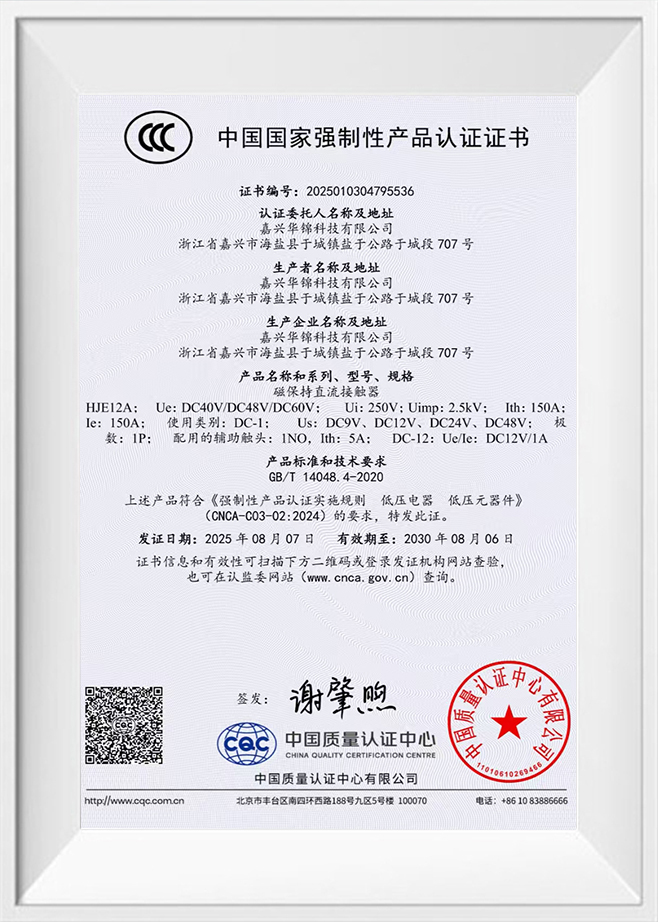
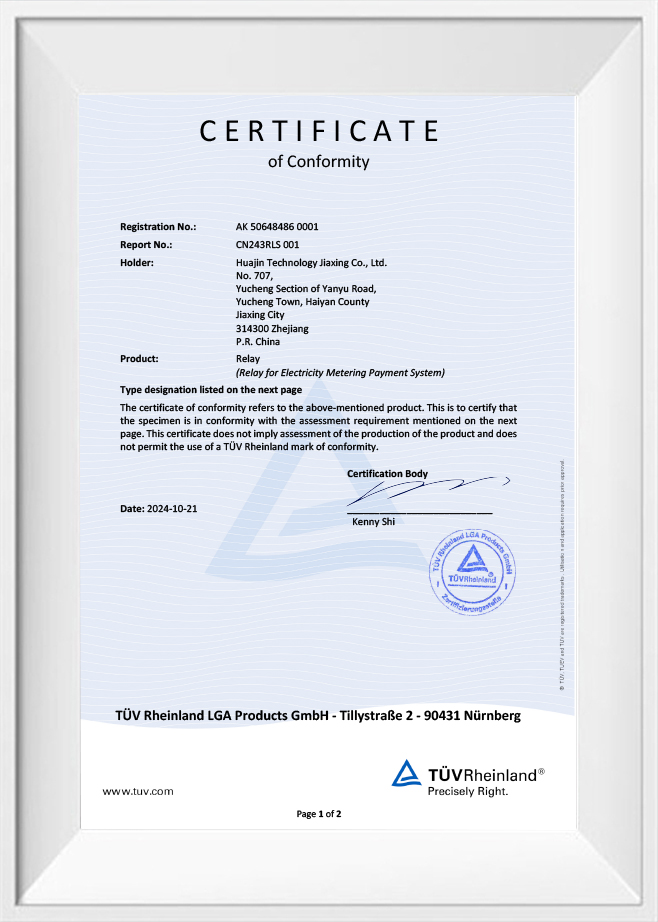
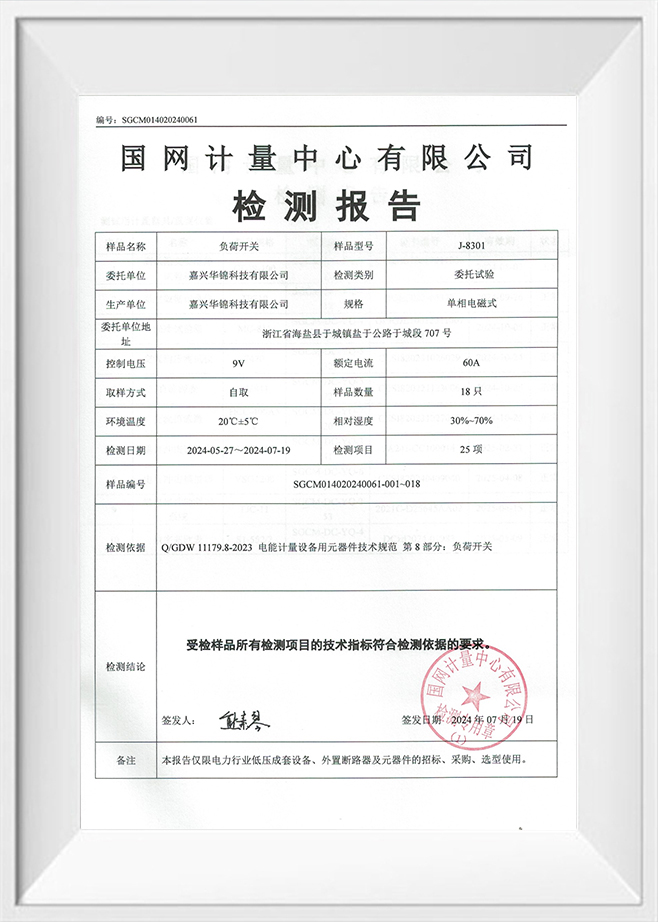
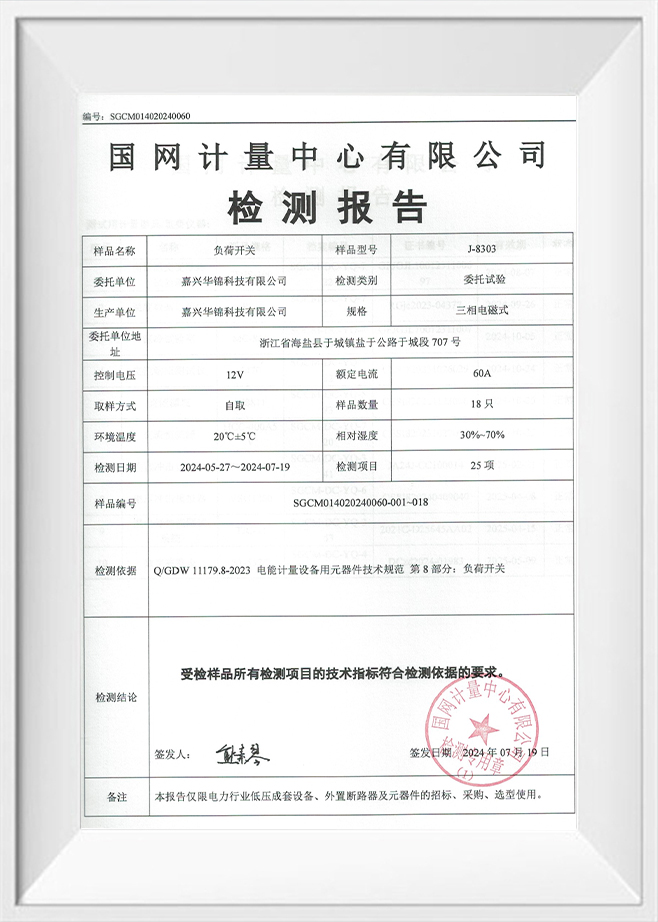
Below is a standardized technical reference guide for adjusting relay capacity based on application variables. Huajin Technology Jiaxing Co., Ltd. utilizes similar rigorous testing matrices backed by their CCC, TUV, and State Grid certifications to guarantee safety margins.
| Resistive Load (Heaters, AC-1) | 1x | 1.0 | 1-2 Channels: 1.0 3-4 Channels: 0.8 5+ Channels: 0.7 |
| Inductive / Motor Load (AC-3) | 5x - 8x | 0.3 - 0.5 | 1-2 Channels: 0.9 3-4 Channels: 0.75 5+ Channels: 0.6 |
| Capacitive / LED Drivers | 20x - 100x | 0.15 - 0.25 | 1-2 Channels: 0.85 3-4 Channels: 0.7 5+ Channels: 0.55 |
4. Channel Isolation and Electrical Safety Margin
Multi-circuit configurations must maintain strict channel-to-channel isolation to prevent cross-talk and ensure user safety. When switching different phases (e.g., Phase A on Circuit 1 and Phase B on Circuit 2), the dielectric strength between adjacent contacts must exceed the peak potential difference. High-quality designs implement physical internal barriers and optimized PCB creepage distances to achieve isolation ratings often exceeding 2,500V AC.
5. Frequently Asked Questions (FAQ)
Q1: How does the production expertise of Huajin Technology Jiaxing Co., Ltd. ensure the reliability of a Multi-Circuit DIN Rail Mounted Relay under high-temperature conditions?
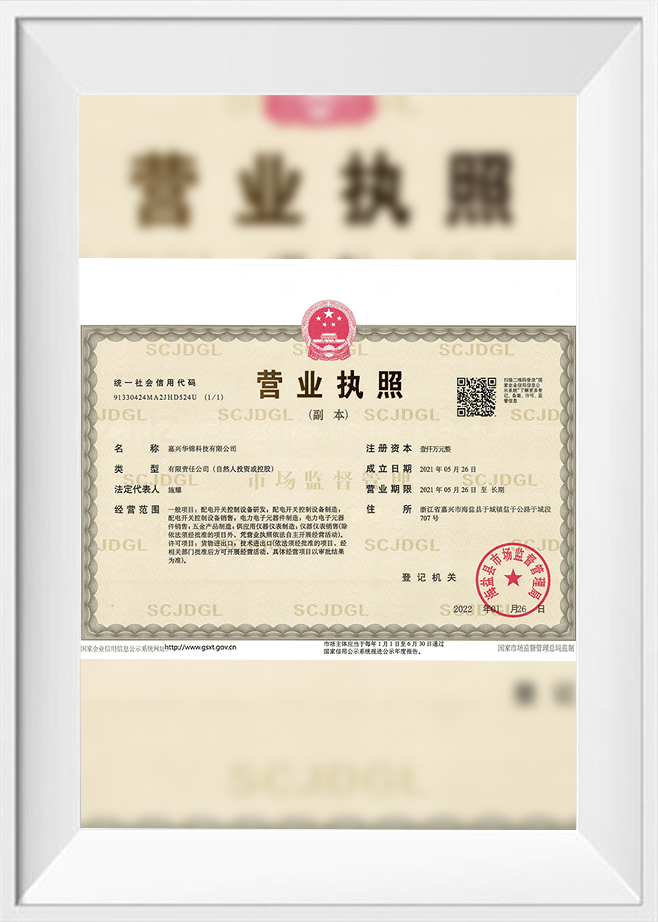
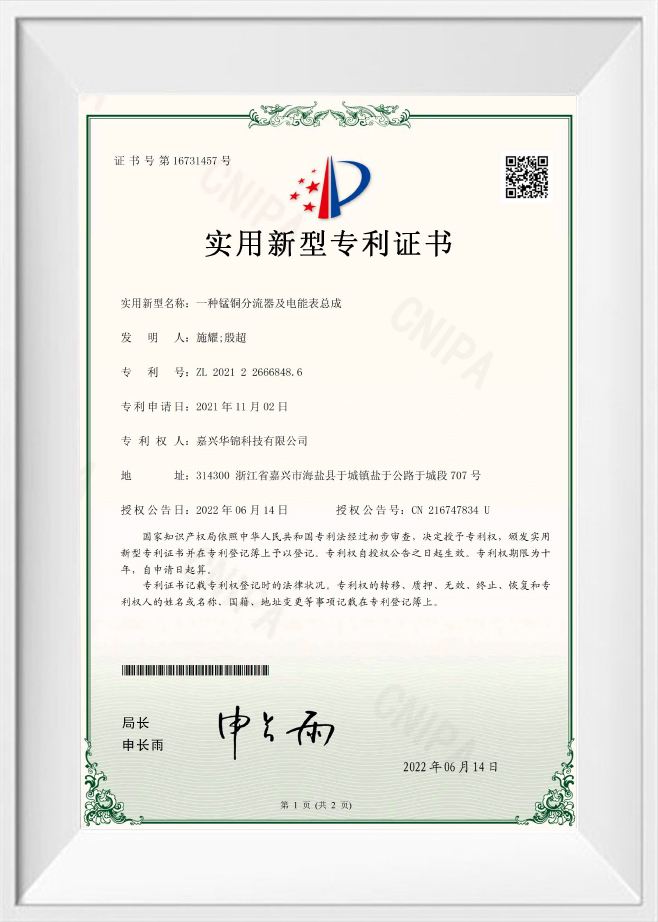
Huajin Technology Jiaxing Co., Ltd., established in May 2021 in Haiyan County, Jiaxing City, operates a highly optimized 8,000 square meter facility with over 120 skilled employees. With an annual production capacity of over 10 million magnetic latching relays, the company leverages advanced automation and holding multiple technical patents to ensure optimal internal thermal dissipation. Their ISO9001-2015 quality management system guarantees that every multi-circuit relay is built with premium, high-temperature resistant materials that minimize the need for aggressive thermal derating in tightly packed control cabinets.
Q2: Can I use motor relays from Huajin Technology Jiaxing Co., Ltd. for multi-circuit switching without experiencing contact welding?
Yes. Huajin Technology Jiaxing Co., Ltd. specializes in the R&D and production of motor relays alongside single-phase, two-phase, and three-phase magnetic latching relays. Because motor loads generate high inrush currents, Huajin designs its specialized contacts with superior arc-resistance and robust anti-welding alloys. Their products have successfully passed rigorous international benchmarks including CCC, State Grid, and TUV certifications, validating their capability to handle severe inductive loads safely when applied with the correct load factor calculations.
Q3: Does Huajin Technology Jiaxing Co., Ltd. provide custom solutions for unique multi-circuit derating and isolation challenges?
Absolutely. Huajin Technology Jiaxing Co., Ltd. features a wide variety of relay types designed to meet various customized solutions for customers. Whether your project demands enhanced channel-to-channel isolation for multi-phase industrial environments or specialized form factors for tight DIN rail configurations, their dedicated R&D team can tailor a solution. This engineering flexibility has made them a trusted global partner, with export markets accounting for approximately 30% of their total annual sales.