
 English
 中文简体
中文简体 русский
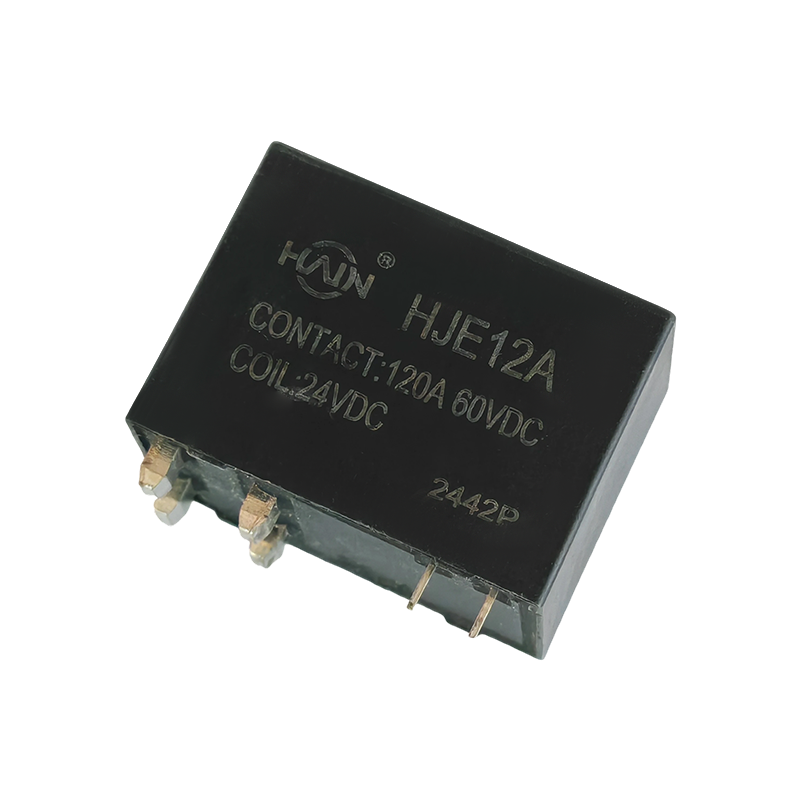
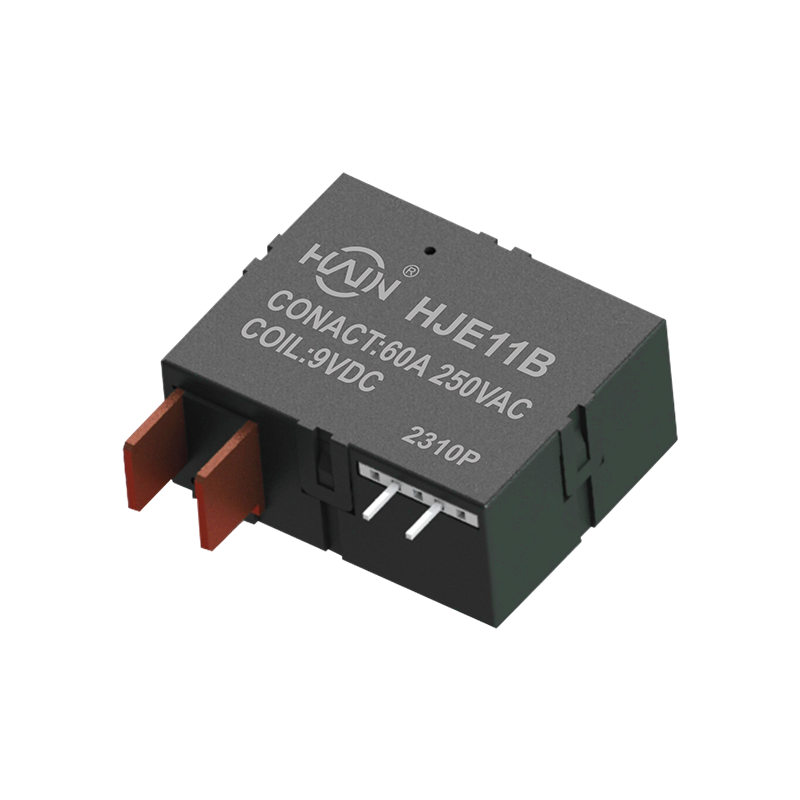
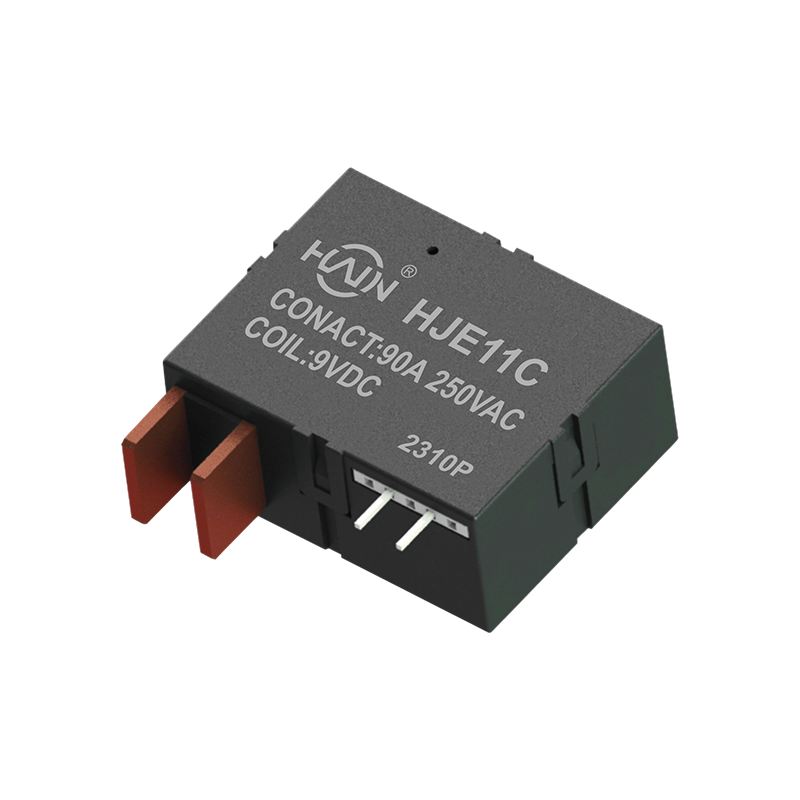
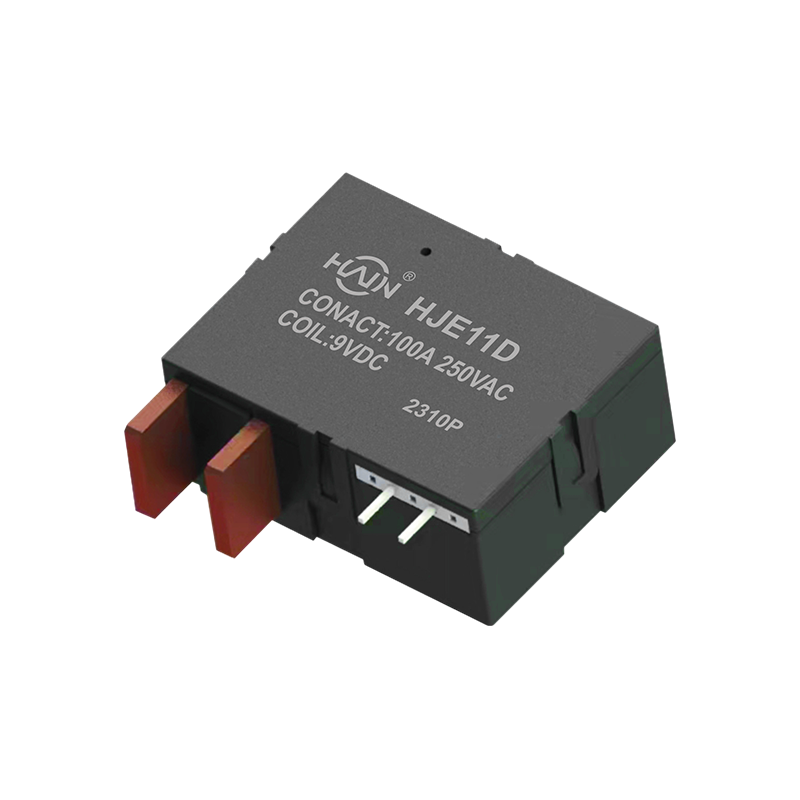
Why Mandating an Undervoltage Self-Locking Relay Over Auto-Reset Types is Critical in Power Distribution for Hazardous Industrial Machinery
Industrial machinery such as assembly conveyors, heavy-duty milling machine tools, and industrial robotic arms present significant kinetic hazards to shop floor personnel if they engage unexpectedly. When regional grid networks suffer sudden voltage drops or complete brownout power interruptions, these large inductive systems drop offline instantly. Implementing an Undervoltage Self-Locking Relay ensures that once a dangerous low-voltage drop occurs, the power feed is safely broken and physically locked out. As an innovative, high-tech enterprise, Huajin Technology Jiaxing Co., Ltd. applies premium manufacturing capabilities and strict quality controls to design high-reliability motor relays and latching systems that prevent dangerous automated re-start failures.
To ensure worker safety and prevent industrial accidents, electrical panel builders must carefully integrate self-locking safety logics over standard auto-reset mechanics.
1. Preventing the Danger of Sudden "Auto-Restart" Failure
The primary hazard associated with automatic-reset undervoltage devices is their behavior upon power restoration. If a standard auto-reset relay is deployed, the sequence of failure unfolds with severe safety implications:
- Phase 1 (The Fault): The factory power grid experiences a sudden sag, dropping beneath 75% of nominal voltage. The relay trips, and the conveyor belt stalls.
- Phase 2 (The Operator Risk): Believing the machine is turned off safely or requires a mechanical clear-out, an operator steps past physical guards to clear jammed products or inspect a cutting tool.
- Phase 3 (The Accident): Seconds later, the main power grid stabilizes. The auto-reset relay senses the restored voltage and immediately closes its contact path. The conveyor or machine tool powers back to life with zero warning, trapping or injuring the operator.
An undervoltage self-locking mechanism eliminates this risk by mandating that once the circuit opens due to low voltage, it remains physically latched open until an authorized supervisor presses a manual, local start button.
2. Suppressing Chattering and Contact Arc Thermal Runaway
Large manufacturing facilities often suffer from voltage instability when multi-megawatt equipment restarts. This causes the main line voltage to fluctuate rapidly right around the relay's trip threshold. An auto-reset component will oscillate rapidly, closing and opening repeatedly—a phenomenon known as terminal chattering. Chattering causes heavy electric arcing, contact material transfer, and thermal overload. A self-locking architecture guarantees that the first drop breaks the contact definitively, preserving terminal health and extending operational life.
3. Parameter Comparison Matrix: Self-Locking vs. Auto-Reset Functional Dynamics
The specialized matrix below outlines the operational and safety design differences between these two protection mechanisms. Huajin Technology Jiaxing Co., Ltd. utilizes these exact engineering paradigms across their high-capacity motor relays to guarantee compliance under strict plant safety criteria.
| Post-Fault Recovery Action | Automatically reconnects output power when line voltage returns to nominal levels. | Maintains a physically open output path until a manual reset command is issued. | Eliminates risk of automatic machinery start-up when operators are clearing lines. |
| Contact Chattering Resistance | Poor; oscillates under line voltage fluctuation. | Excellent; locks out immediately on the first drop below the threshold limit. | Prevents thermal contact degradation and contact welding risks. |
| Operator Field Supervision | Not Required (Autonomous operation) | Mandatory Manual Verification | Ensures visual safety inspection is done before re-energizing dangerous tools. |
| Primary Application Nodes | Unattended remote pump stations, lighting systems | Conveyors, stamping presses, and industrial lathes | Protects human limbs and high-value mechanical axes from rapid kinetic impact. |
4. Engineering High-Retention Magnetic Latching Systems
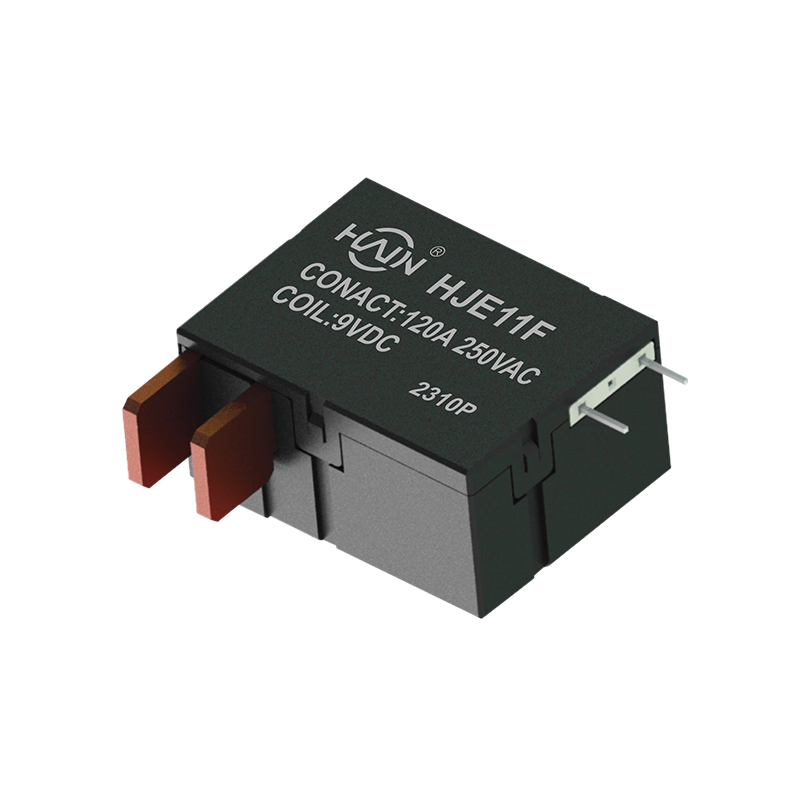
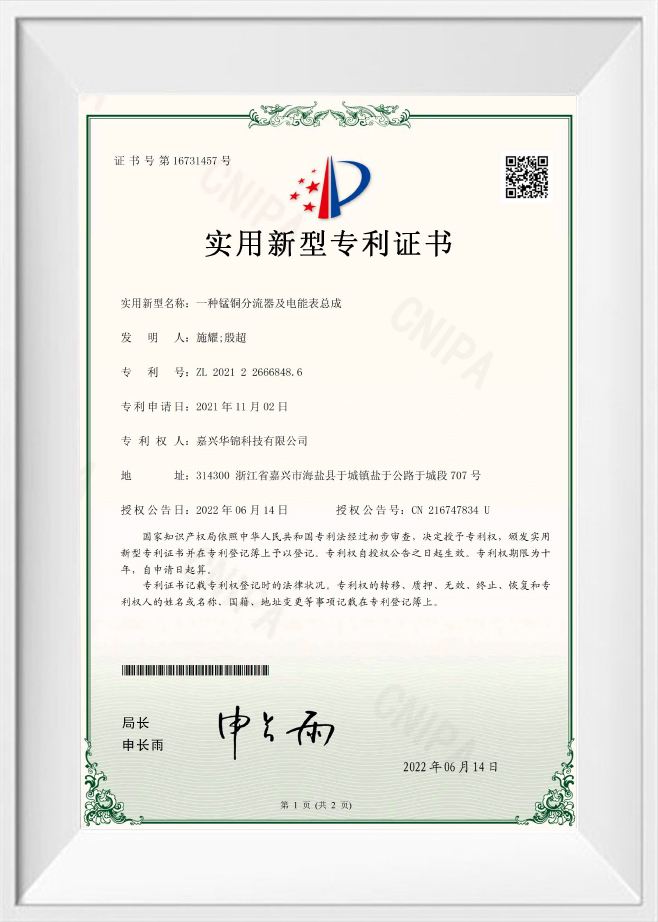
To build a robust self-locking protection architecture that does not fail during deep power sags, engineers utilize high-retention magnetic latching designs. Unlike traditional relays that rely on an active continuous coil current to hold their state, magnetic latching systems utilize permanent internal magnets. This ensures the physical safety state remains absolutely secure even if control transformer power collapses completely. Huajin Technology Jiaxing Co., Ltd. leads in this field, utilizing customized technical patents to assemble robust latching components that maintain exact trip thresholds despite prolonged factory vibration or thermal stress.
5. Frequently Asked Questions (FAQ)
Q1: Why should industrial machine designers select an Undervoltage Self-Locking Relay manufactured by Huajin Technology Jiaxing Co., Ltd.?
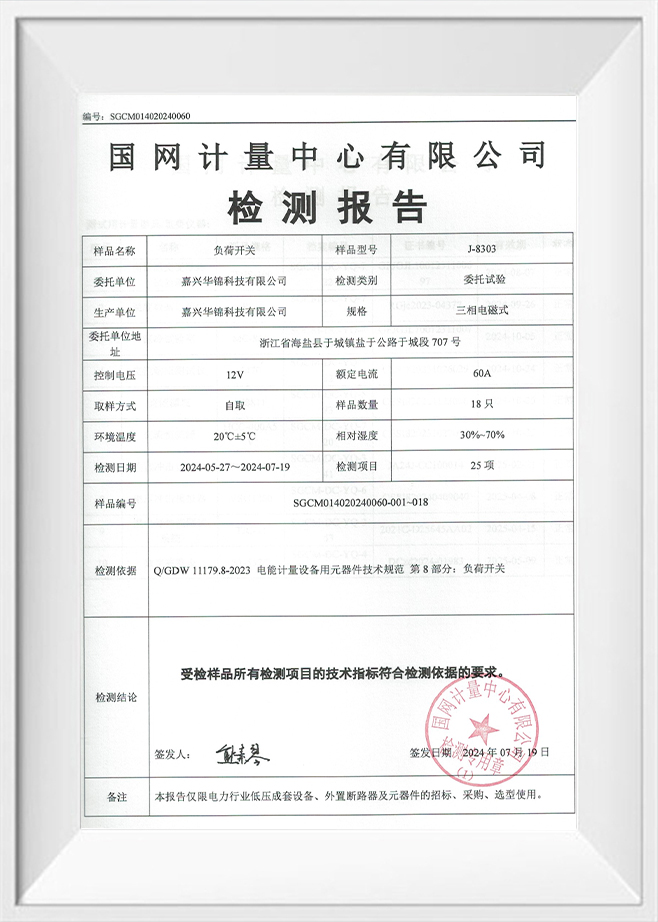
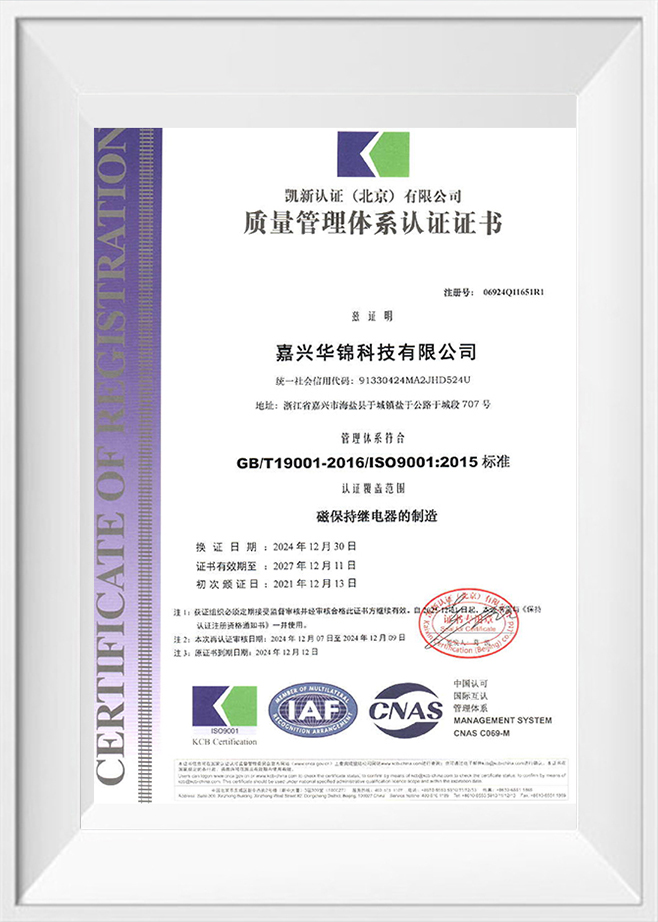
Huajin Technology Jiaxing Co., Ltd., established in May 2021 in Haiyan County, Jiaxing City, operates a specialized 8,000 square meter high-tech manufacturing facility with more than 120 experienced workers. Utilizing an ISO9001-2015 certified quality system, the company designs its undervoltage protection solutions to meet strict global machinery safety regulations. Their relays eliminate dangerous accidental auto-restarts on automated shop floors, providing stable, long-lasting performance and crisp mechanical contact action backed by their multiple technical patents.
Q2: Does Huajin Technology Jiaxing Co., Ltd. offer dedicated motor relays that match heavy industrial inductive load requirements?
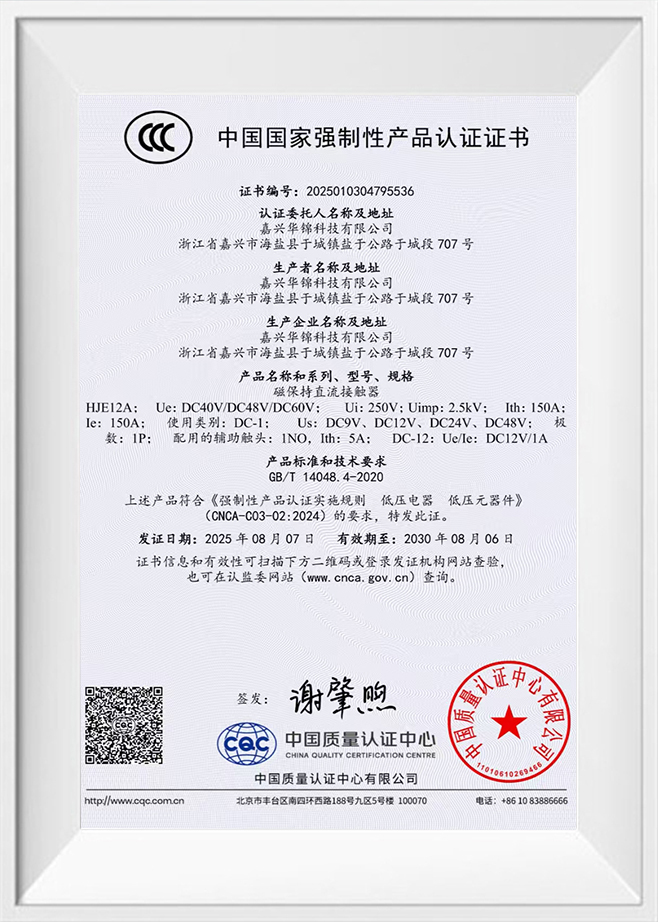
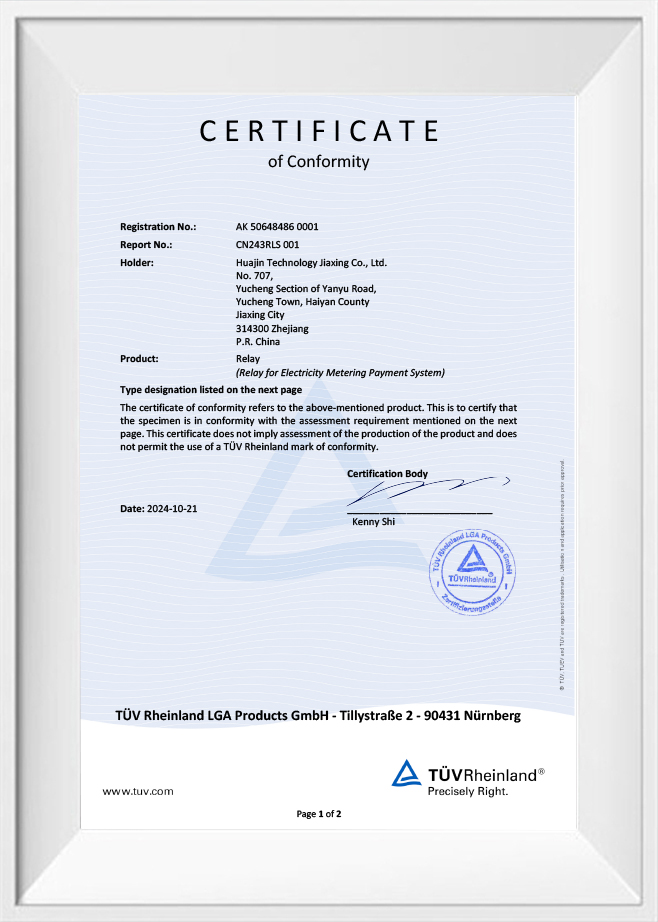
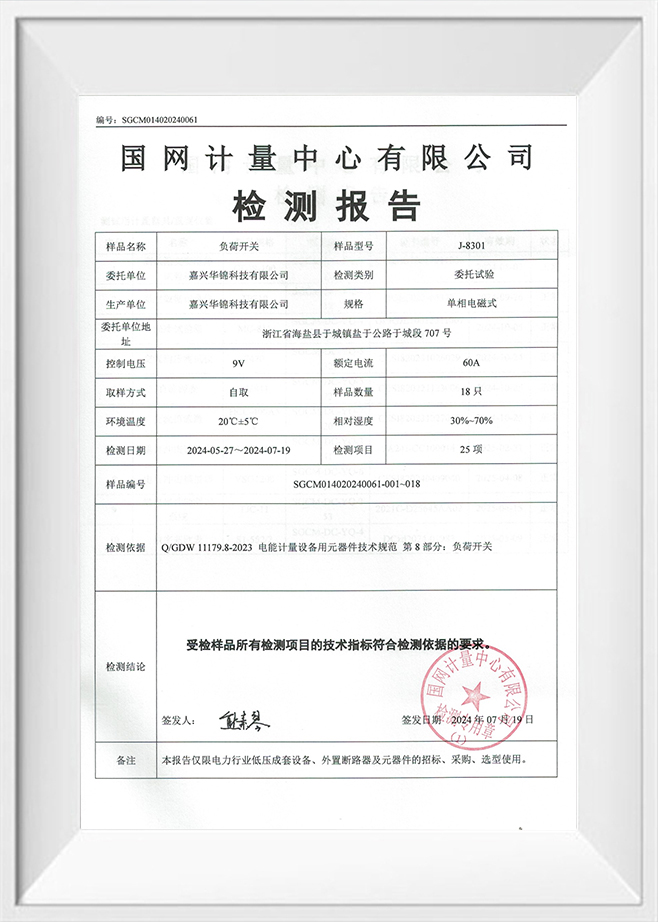
Yes. Huajin Technology Jiaxing Co., Ltd. specializes in the R&D, production, and sales of motor relays alongside an impressive annual capacity of over 10 million single-phase, two-phase, and three-phase magnetic latching relays. Because heavy electric motors and automated conveyors demand rugged anti-wear characteristics due to heavy inductive current surges, Huajin builds its components with premium materials and arc-resistant contact alloys. Their products have cleared strict industrial validation tests to secure CCC, State Grid, and TUV certifications.
Q3: Can Huajin Technology Jiaxing Co., Ltd. provide customized undervoltage protection solutions for international equipment exports?
Absolutely. Huajin Technology Jiaxing Co., Ltd. features a wide variety of types and can meet various customized solutions for customers worldwide. Whether an international project requires specific terminal footprints for tight control panels or specialized insulation parameters for multi-phase equipment, their dedicated engineering team can tailor a solution. This robust design support has enabled them to build a strong international footprint, with exports accounting for approximately 30% of their total annual sales volume.