



 English
 中文简体
中文简体 русский
NEWS
Standard motor relays are essential electrical control devices used to protect and manage electric motors in industrial and commercial systems. Their primary function is to monitor operating current and automatically disconnect the motor circuit when abnormal conditions such as overload, phase failure, or excessive current are detected.
These relays play a critical role in ensuring safe motor operation, preventing overheating, and reducing the risk of mechanical or electrical damage. They are widely applied in automation systems, manufacturing equipment, HVAC systems, pumps, compressors, and conveyor systems where reliable motor protection is required.
A standard motor relay is an electromechanical or electronic protective device designed to work in conjunction with motor control circuits. It continuously monitors the current flowing through the motor and responds when the current exceeds a preset threshold.
When an overload condition occurs, the relay triggers an internal mechanism that interrupts the control circuit, effectively stopping the motor before damage occurs.
Standard motor relays are widely used in industrial environments where motors operate under variable loads and continuous duty cycles. Their ability to respond quickly to abnormal current conditions helps prevent costly downtime and equipment failure.
They are especially important in systems where motors are exposed to frequent start-stop cycles, load fluctuations, or harsh operating environments.
Although designs may vary depending on application requirements, most standard motor relays share common operating parameters that define their performance.
The use of standard motor relays significantly improves system reliability and safety by providing a dedicated layer of motor protection. Without proper relay protection, motors may be exposed to prolonged overload conditions that can lead to insulation failure, overheating, or permanent damage.
Standard motor relays are a fundamental component in modern motor control systems. By continuously monitoring electrical current and responding to abnormal conditions, they provide reliable protection that ensures safe, efficient, and long-term motor operation across a wide range of industrial applications.
Standard motor relays are protective control devices designed to monitor the electrical current of a motor and respond when abnormal operating conditions occur. They are widely used in industrial motor control systems to prevent overload, overheating, phase imbalance, and other electrical faults that could damage equipment.
In a typical motor control circuit, the standard motor relay works together with a contactor and control logic system. When the motor operates within safe current limits, the relay allows normal operation. If the current exceeds the preset threshold for a defined period, the relay triggers a protective action by opening the control circuit and stopping the motor.
The primary purpose of a standard motor relay is to protect electric motors from electrical and thermal stress. It continuously evaluates current conditions and ensures that the motor operates within its safe operating range.
Standard motor relays operate based on current sensing technology. The motor current passes through a sensing element inside the relay. When the current exceeds the set limit, the relay initiates a time-delayed or immediate trip depending on the severity and duration of the overload.
After tripping, the relay interrupts the control circuit and stops the motor. Depending on the design, it can be reset manually or automatically once the fault condition is cleared.
| Parameter | Thermal Motor Relays | Magnetic Motor Relays | Electronic Motor Relays |
| Response Speed | Medium (time-delayed reaction) | Very fast (instant trip) | Fast and programmable |
| Protection Accuracy | Moderate | Focused on high-current faults | High precision monitoring |
| Adjustability | Limited settings | Low adjustability | Highly adjustable parameters |
| Application Suitability | General motor protection | Short-circuit protection | Advanced industrial automation systems |
| Operating Complexity | Simple | Simple | More advanced |
Standard motor relays are a critical component in industrial motor protection architecture. They ensure that motors operate safely under varying load conditions and prevent damage caused by prolonged overload or electrical faults.
Standard motor relays are essential protective devices in motor control systems. By continuously monitoring current and responding to abnormal conditions, they ensure safe and efficient motor operation. Different types of relays—thermal, magnetic, and electronic—offer varying levels of protection, allowing selection based on application requirements and system complexity.
Standard motor relays operate as protective control devices that continuously monitor the electrical current flowing through a motor circuit. Their main function is to detect abnormal operating conditions—such as overload or phase imbalance—and initiate a protective response before the motor is damaged.
In industrial motor control systems, standard motor relays are typically connected in series with the motor power circuit and coordinated with a contactor in the control circuit. This configuration allows the relay to interrupt motor operation indirectly by opening the control signal when a fault is detected.
The working process begins with real-time current monitoring. As the motor operates, electrical current passes through sensing elements inside the relay. These sensing components continuously evaluate whether the current remains within the preset safe range.
When an overload condition is detected, the relay does not always trigger an immediate shutdown. Instead, it may use a time-delay mechanism to distinguish between temporary current surges and sustained overloads. This helps avoid unnecessary tripping during motor startup.
If the overload persists beyond the allowable time threshold, the relay activates its trip function and disconnects the control circuit, stopping the motor.
| Function Parameter | Thermal Relay Behavior | Magnetic Relay Behavior | Electronic Relay Behavior |
| Detection Method | Bimetal heating due to current flow | Electromagnetic force sensing | Digital current measurement sensors |
| Response Speed | Delayed response (thermal inertia) | Instant response to high current | Programmable fast response |
| Overload Handling | Time-dependent thermal trip | Immediate short-circuit protection | Precision overload and fault discrimination |
| Reset Method | Manual or automatic | Manual reset typically required | Manual or automatic with configuration |
Standard motor relays do not directly cut the main power supply. Instead, they act on the control circuit of a contactor. When a fault is detected, the relay opens the control contact, causing the contactor to disengage and disconnect power to the motor.
Standard motor relays operate through continuous current monitoring, time-based overload evaluation, and control circuit interruption. By working in coordination with contactors, they provide a reliable and efficient protection mechanism that ensures safe motor operation under varying industrial load conditions.
Standard motor relays are designed to provide reliable protection and control for electric motors operating under variable industrial conditions. Their key features focus on ensuring safe operation, accurate overload detection, and stable performance in motor control systems.
These relays are widely used in automation panels, industrial machinery, pumps, compressors, and conveyor systems where consistent motor protection is essential.
Standard motor relays are designed with specific electrical and mechanical performance parameters to ensure compatibility with industrial motor systems.
| Feature | Thermal Motor Relays | Magnetic Motor Relays | Electronic Motor Relays |
| Overload Protection | Based on heat accumulation (bimetal strip) | Instant magnetic response to high current | Digital current monitoring with high precision |
| Adjustability | Limited adjustment range | Minimal adjustment options | Highly adjustable parameters |
| Accuracy | Moderate | Focused on severe fault detection | High accuracy across full load range |
| Response Behavior | Time-delayed response | Immediate trip for short circuits | Programmable response characteristics |
| Application Level | General motor protection | Basic fault protection | Advanced automation systems |
Standard motor relays are engineered to balance protection performance and system compatibility. Their design allows them to integrate easily into existing motor control circuits without requiring major modifications.
The key features of standard motor relays include adjustable protection settings, reliable overload detection, time-delay response functions, and compatibility with industrial control systems. These characteristics make them essential components for ensuring safe, efficient, and long-term motor operation in modern industrial environments.
In industrial motor protection systems, different types of relays are used to ensure safe and stable operation of electric motors. Among the most common solutions are standard motor relays, thermal relays, and electronic relays. Although they all serve the purpose of motor protection, their working principles, response accuracy, and application suitability differ significantly.
Understanding these differences helps engineers and system designers select the most appropriate protection method based on motor size, operating environment, and required control precision.
Each relay type operates using a different physical or electronic principle, which directly affects its performance and application range.
| Parameter | Standard Motor Relays | Thermal Relays | Electronic Relays |
| Detection Method | Current monitoring through sensing elements | Bimetal thermal expansion | Digital sensor-based measurement |
| Response Speed | Medium (time-delayed overload response) | Slow to medium (thermal inertia) | Fast and programmable |
| Protection Accuracy | High for general industrial use | Moderate | Very high precision |
| Adjustability | Adjustable current settings | Limited adjustment range | Highly flexible programmable settings |
| Application Scope | General industrial motor protection | Basic motor protection systems | Advanced automation and precision systems |
| Cost Level | Medium | Low | Higher |
| Maintenance Requirement | Low | Low to medium | Low (but requires system configuration) |
The selection of relay type depends on the complexity and precision requirements of the motor system. Standard motor relays are widely used in general industrial environments, while thermal relays are typically used in cost-sensitive applications. Electronic relays are preferred in advanced automation systems requiring high accuracy and diagnostic capabilities.
In modern motor control systems, relays are often selected based not only on protection performance but also on integration capability with control systems such as PLCs and automation controllers.
Standard motor relays, thermal relays, and electronic relays each provide different levels of motor protection performance. Standard motor relays offer a balanced solution between cost, reliability, and functionality, while thermal relays focus on simplicity and electronic relays deliver high precision and advanced control capabilities. The correct selection depends on system requirements, operational complexity, and desired protection level.
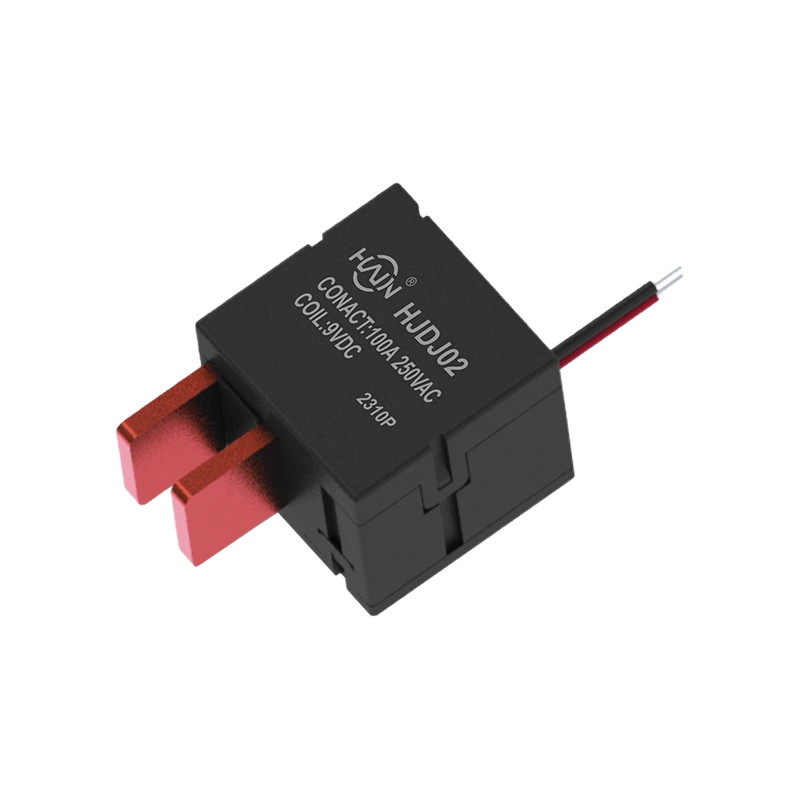
Product Definition: This product is a core control device designed for harsh industrial environments. Its key feature is its design specifically for high loads and complex electromagnetic environments...
See Details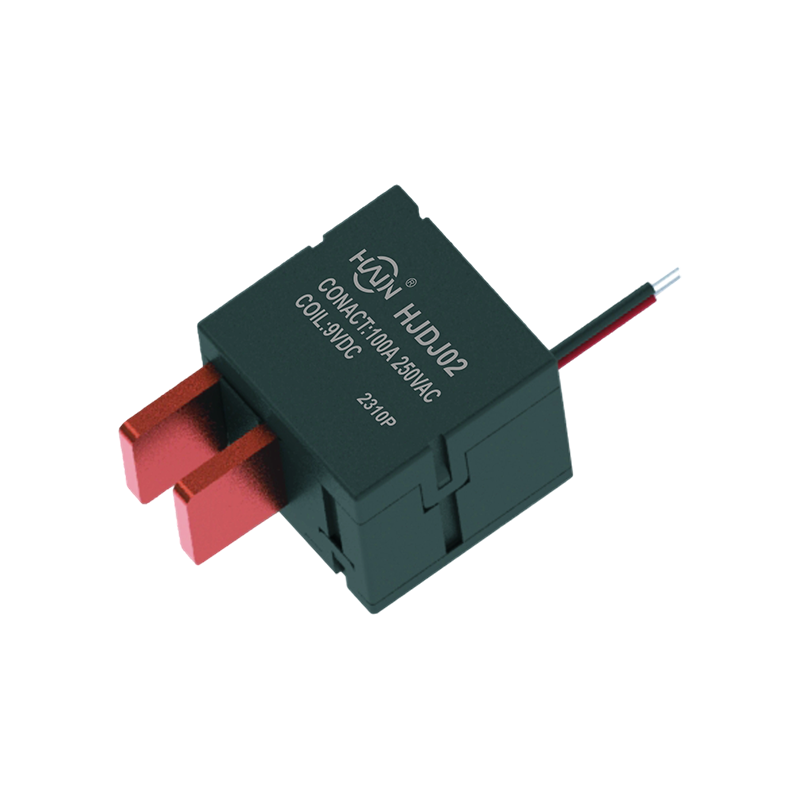
Product Definition: Compact Size, Powerful Core, Unaffected by Strong Magnetic Interference! This product is a compact, anti-magnetic motor relay designed specifically for harsh electromagnetic enviro...
See Details
 Add.
Add.
|
No. 707, Yanyu Road, Yucheng Town, Haiyan County, Jiaxing City, Zhejiang Province, China
|
 Phone
Phone
|
+86-188-5739-7300
|
 Email.
|
alio@hj-relay.com
|
Copyright @ Huajin Technology Jiaxing Co., Ltd. All rights reserved.

