
 English
 中文简体
中文简体 русский
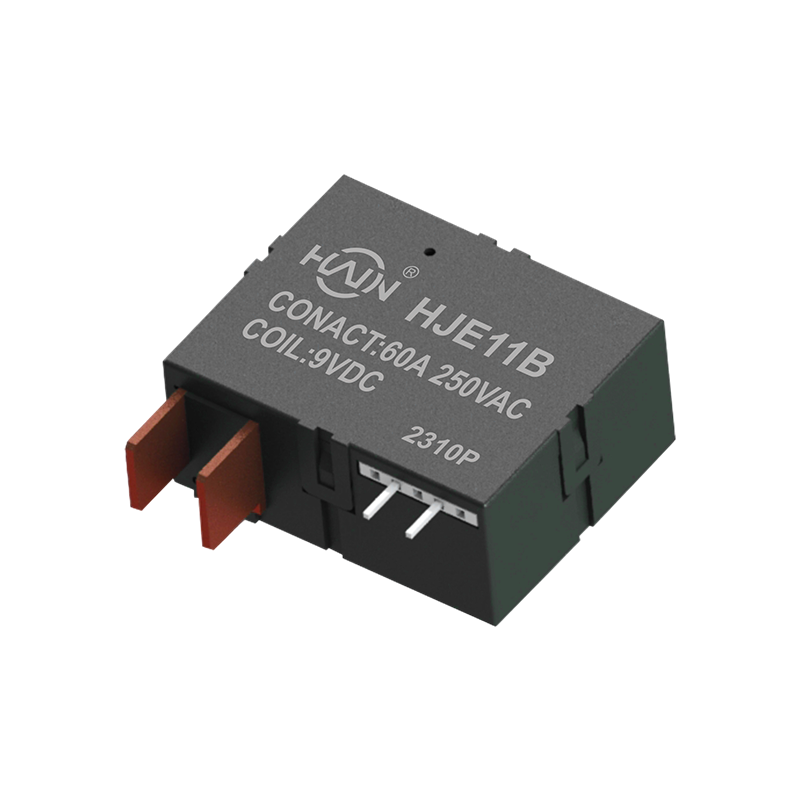
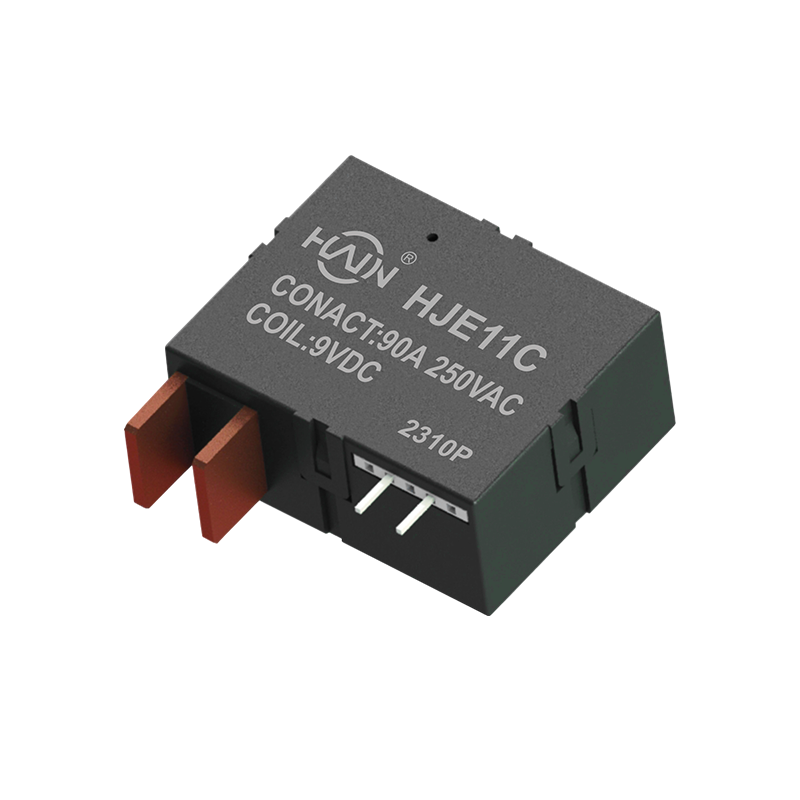
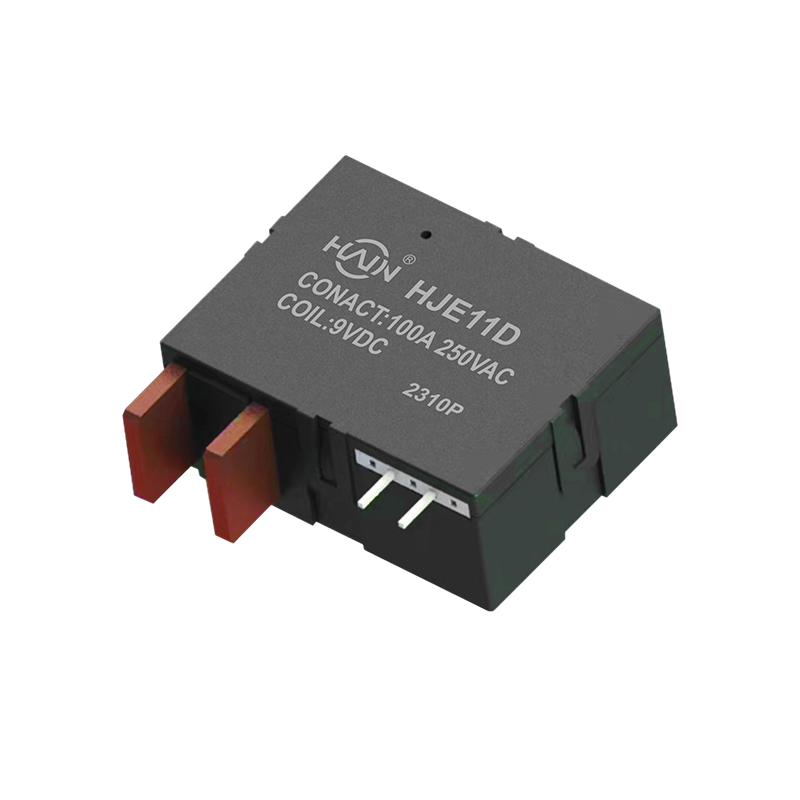
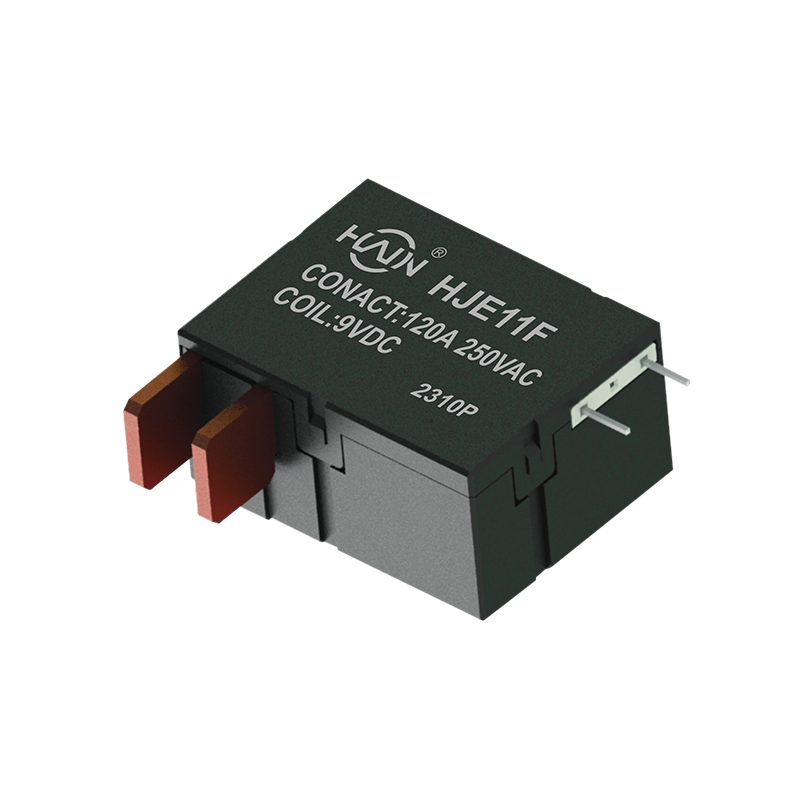

How does Smart Capacitor Relay improve the stability and energy efficiency of reactive power compensation systems?
With the increasing complexity of modern power systems, reactive power management has become a crucial factor affecting power quality and energy efficiency. This is especially true in industrial manufacturing, commercial buildings, and renewable energy grid-connected scenarios, where frequent load fluctuations and unstable power quality are more pronounced. As a key control unit in reactive power compensation systems, Smart Capacitor Relay is gradually becoming an important technological means to improve grid stability and energy efficiency.
Power quality issues are being redefined
With the large-scale application of various power electronic devices, such as frequency converters, rectifiers, and automated production lines, the reactive power demand in the power grid is constantly changing. If this dynamic change is not compensated promptly, it will lead to a decrease in power factor, increased line losses, and exacerbated voltage fluctuations.
Traditional reactive power compensation methods typically rely on fixed-group switching of capacitors, resulting in slow response times and difficulty adapting to rapidly changing load environments. In this context, intelligent control becomes an inevitable trend, and Smart Capacitor Relay is a core component developed to meet this need.
The Basic Mechanism of Smart Capacitor Relay
A Smart Capacitor Relay is an intelligent control device integrating data acquisition, logic judgment, and execution control, primarily used for the automatic switching management of capacitor banks. It dynamically judges the reactive power demand of the system by monitoring key parameters such as voltage, current, and power factor in real time, and controls the connection or disconnection of capacitors.
Unlike traditional relays, it does not rely on fixed times or manually set logic, but makes decisions based on the real-time grid status, thus achieving more precise reactive power compensation control.
A Technological Upgrade from Static Compensation to Dynamic Optimization
In traditional systems, reactive power compensation often exhibits significant lag. When the load changes rapidly, capacitor switching is prone to overcompensation or undercompensation, affecting system stability.
Smart Capacitor Relay achieves dynamic response control through high-speed sampling and intelligent algorithm analysis. When a drop in power factor is detected, it quickly connects capacitors for compensation; when the system returns to balance, it promptly disconnects some capacitors to avoid energy waste. This dynamic optimization mechanism transforms reactive power compensation from passive adjustment to active management.
Key Value in Enhancing System Stability
In practical applications, the Smart Capacitor Relay plays a crucial role not only in energy saving but also in improving system stability.
It effectively reduces line current, thereby minimizing conductor heating and losses, and improving overall power transmission and distribution efficiency. Under conditions of significant voltage fluctuations, its rapid reactive power support helps stabilize bus voltage and reduce the risk of abnormal equipment downtime.
The device also possesses protective capabilities. When abnormal voltage, current, or capacitor faults are detected, it can quickly disconnect relevant circuits, preventing the fault from escalating. This integrated control and protection feature gives it higher safety value in modern power systems.
Expanding Application Scenarios
Currently, the Smart Capacitor Relay is widely used in multiple fields. In industrial manufacturing, it improves the overall power factor of production lines; in commercial buildings, it helps optimize power consumption structures and reduce peak loads; in rail transit systems, it stabilizes power quality; and in renewable energy systems, it improves grid-connected power quality.
With the development of smart grids and digital energy management, this type of device is evolving from a single control element to a system-level energy management node.
Huajin Technology Jiaxing Co., Ltd.'s Technological Strength Supports
In the field of intelligent relays, product stability and consistency directly determine system performance. Huajin Technology Jiaxing Co., Ltd. focuses on the R&D and manufacturing of relay products, and is a Chinese manufacturer of customized Smart Capacitor Relays and an OEM/ODM service provider.
The company has an annual production capacity of over 10 million magnetic latching relays, with approximately 30% exported to overseas markets.
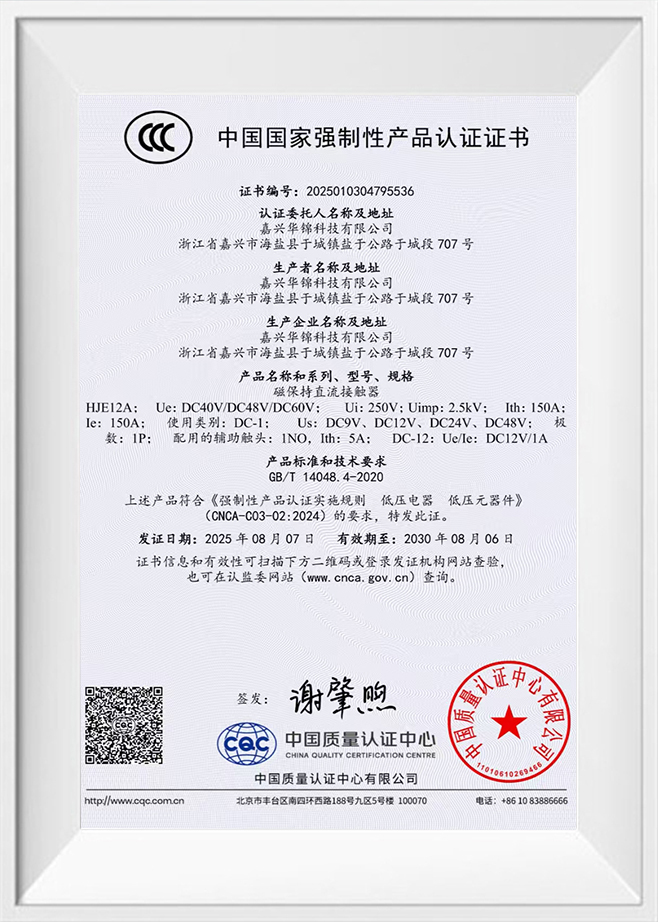
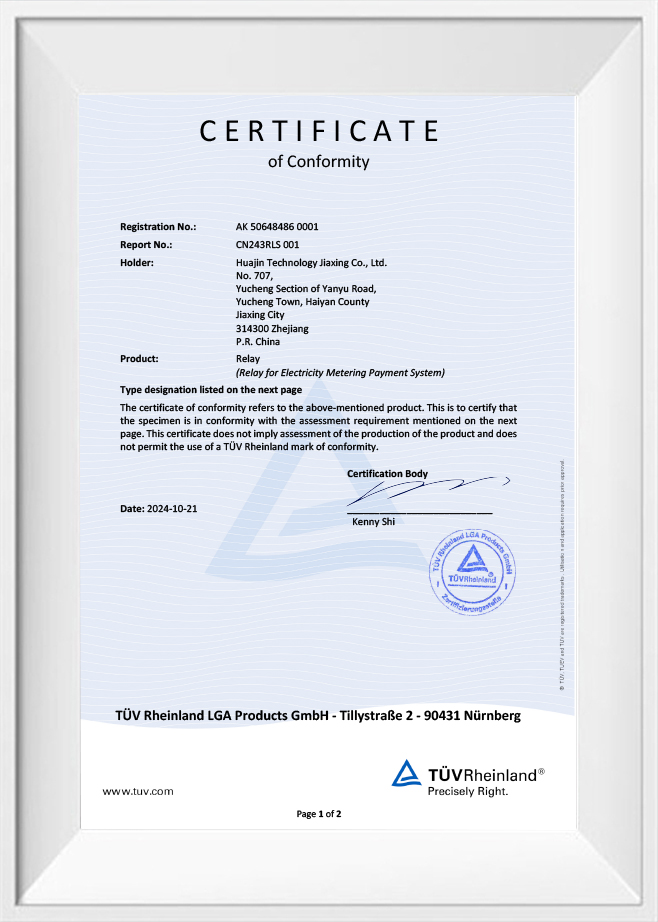
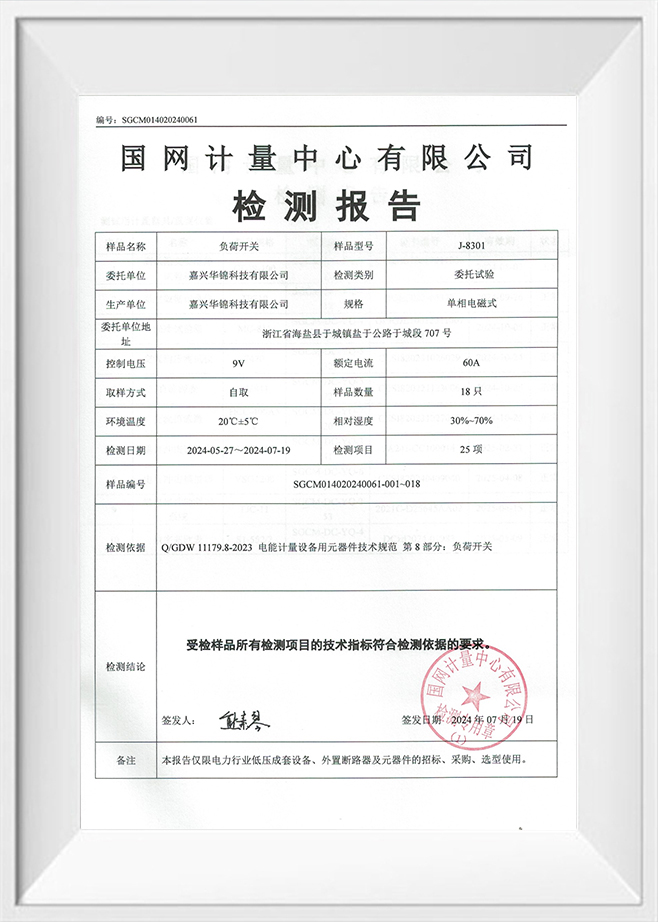
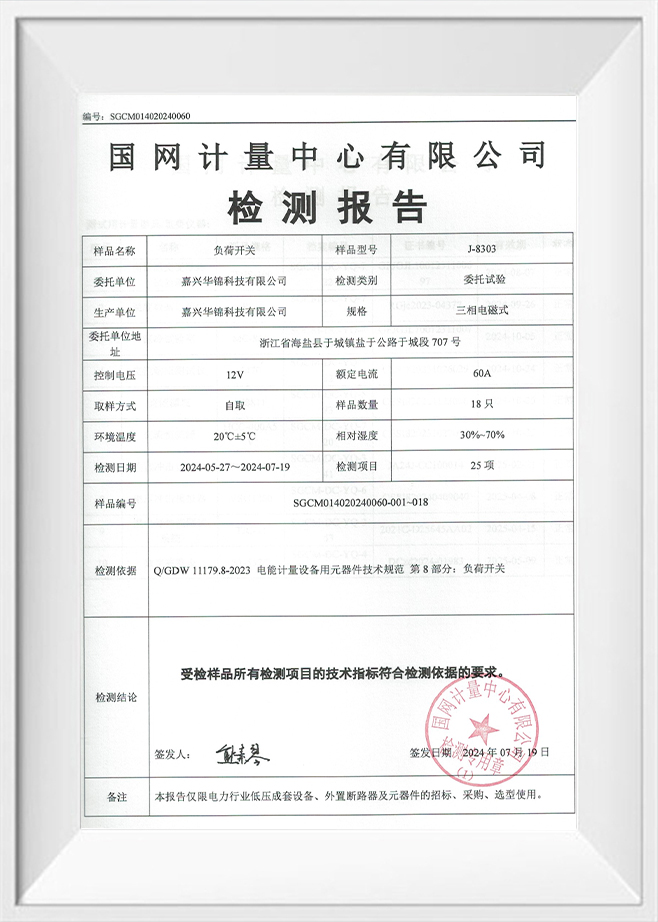
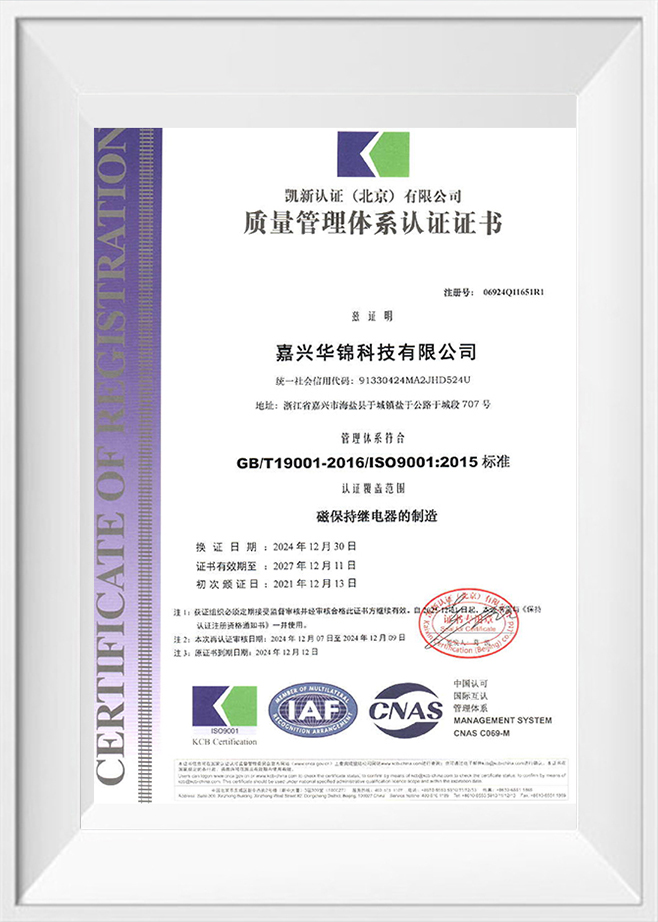
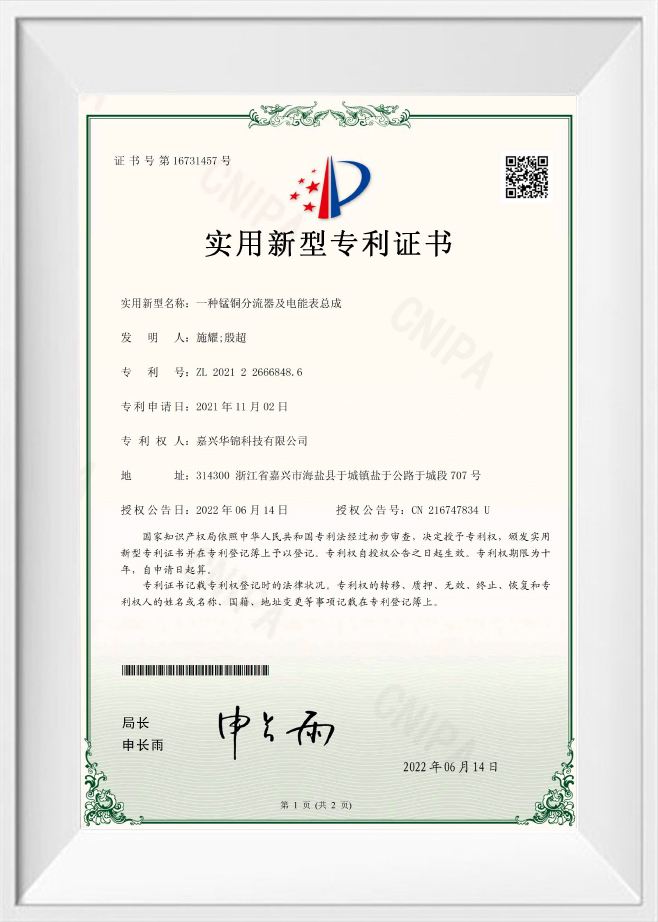
The company's product portfolio covers motor relays, single-phase, two-phase, and three-phase magnetic latching relays, providing diverse reactive power compensation control solutions for various application scenarios. Regarding quality management, the company has passed ISO9001-2015 quality management system certification, and its products have obtained CCC certification, State Grid certification, and TUV certification, and it holds multiple technology patents.
Relying on its comprehensive R&D system and production capabilities, Huajin Technology Jiaxing Co., Ltd. can provide customers with stable and reliable Smart Capacitor Relay products and support personalized customization needs, providing superior control solutions in complex power environments.
FAQ
Q1: What problems does the Smart Capacitor Relay primarily solve?
A: Primarily used for reactive power compensation control, it improves power factor, enhances power quality, and reduces line losses by automatically switching capacitors.
Q2: What are its advantages compared to traditional relays?
A: It possesses real-time monitoring and intelligent judgment capabilities, dynamically adjusting according to grid conditions rather than relying on fixed control logic.
Q3: Is it suitable for complex industrial environments?
A: Suitable for various complex scenarios, including industrial production lines, commercial buildings, and new energy systems, especially suitable for environments with large load fluctuations.