
 English
 中文简体
中文简体 русский
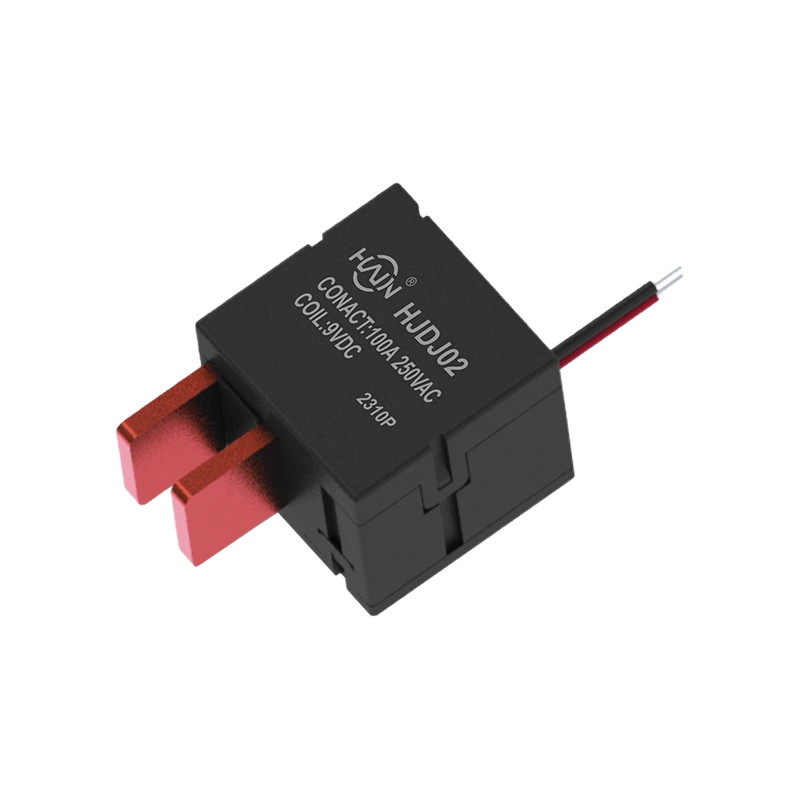
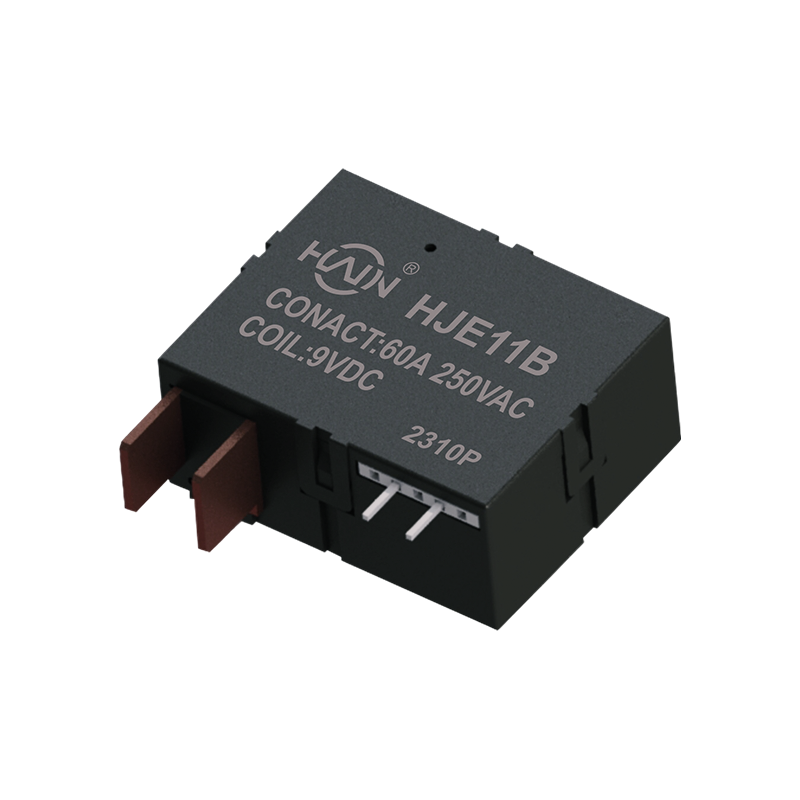
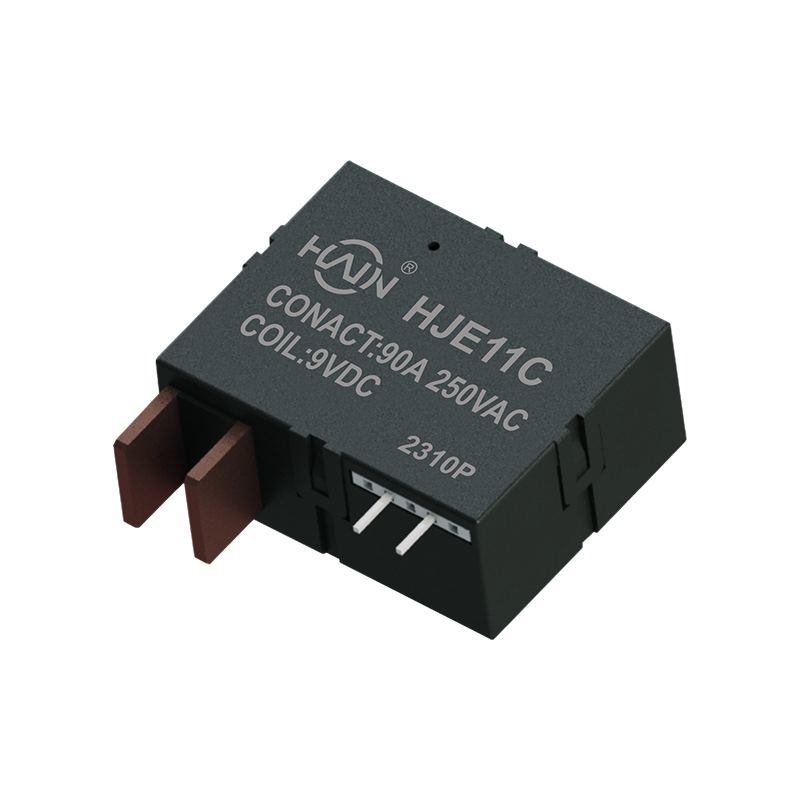
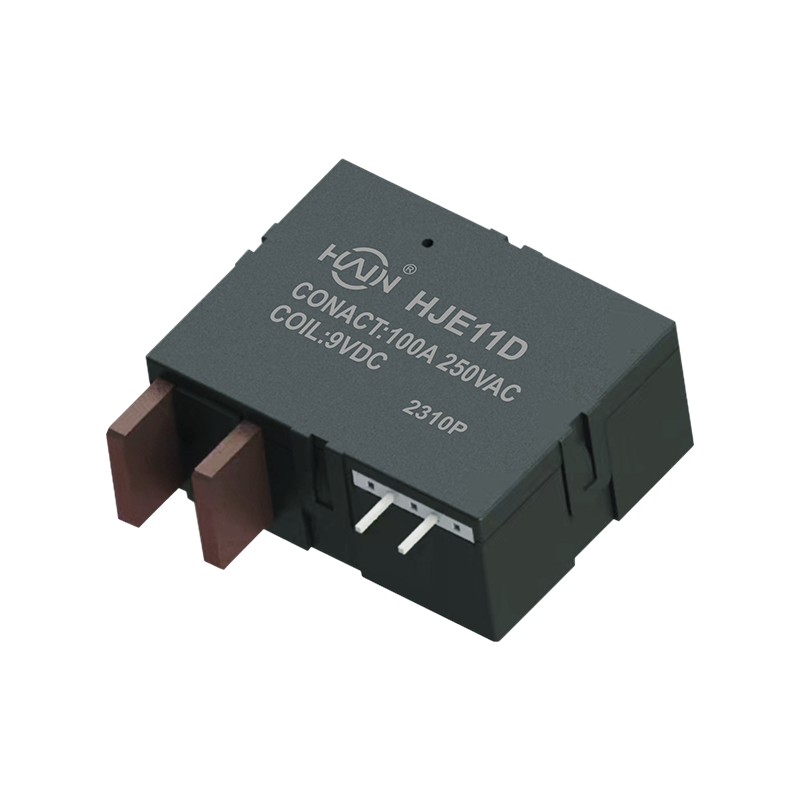
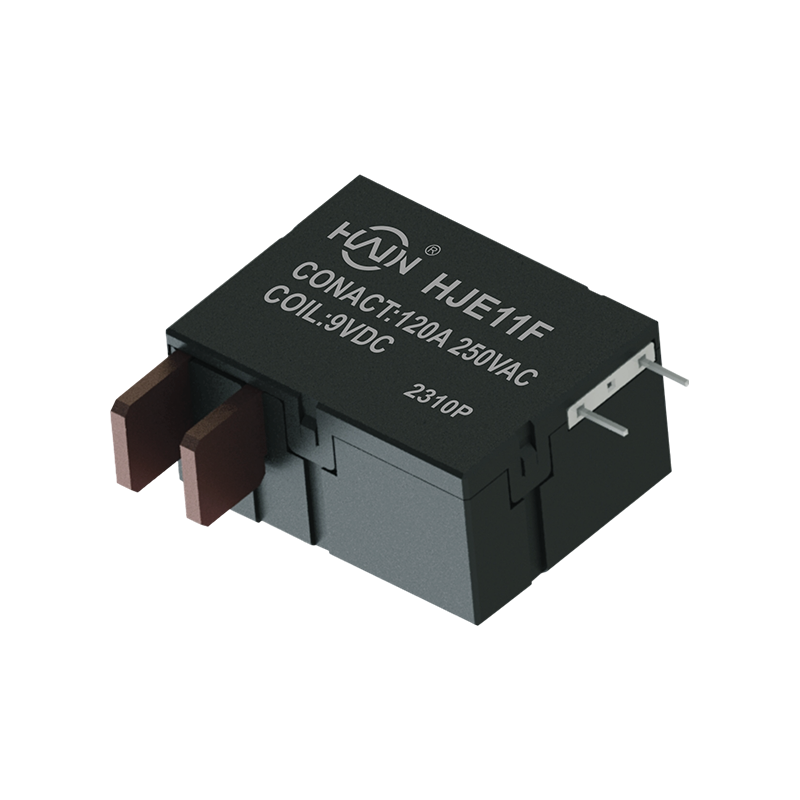
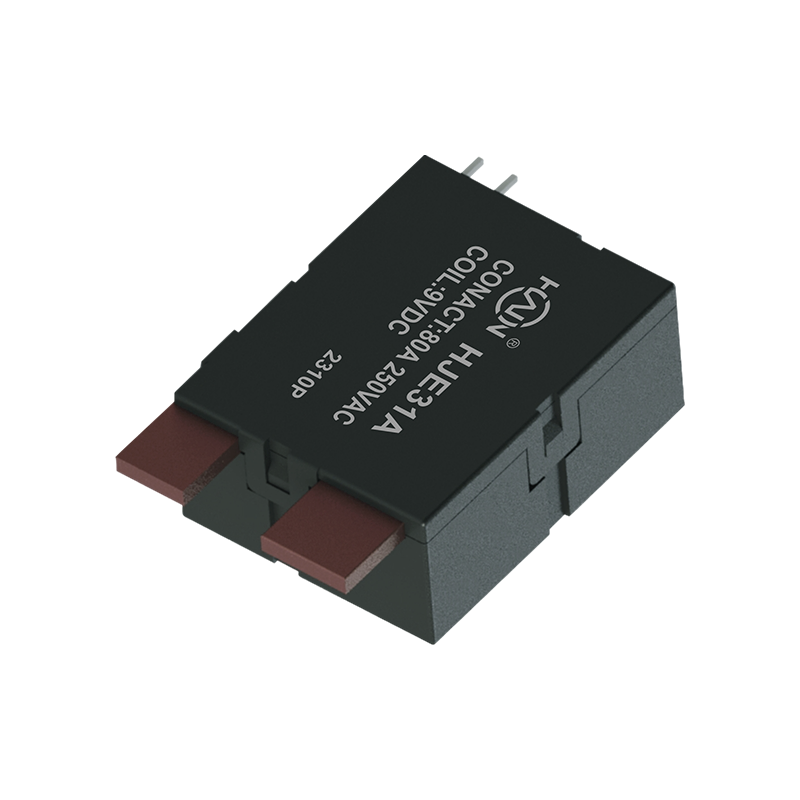
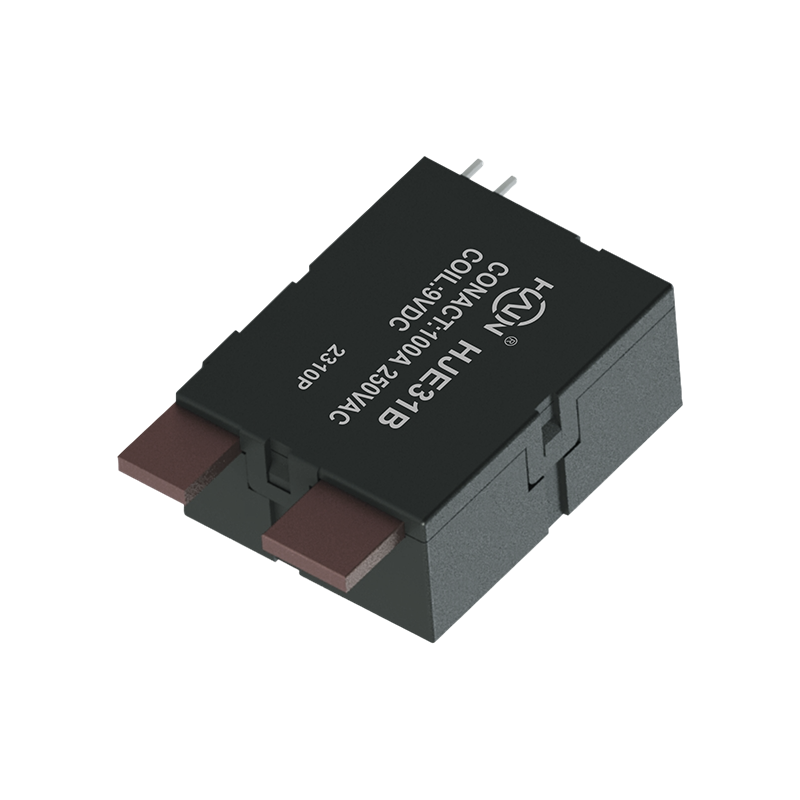
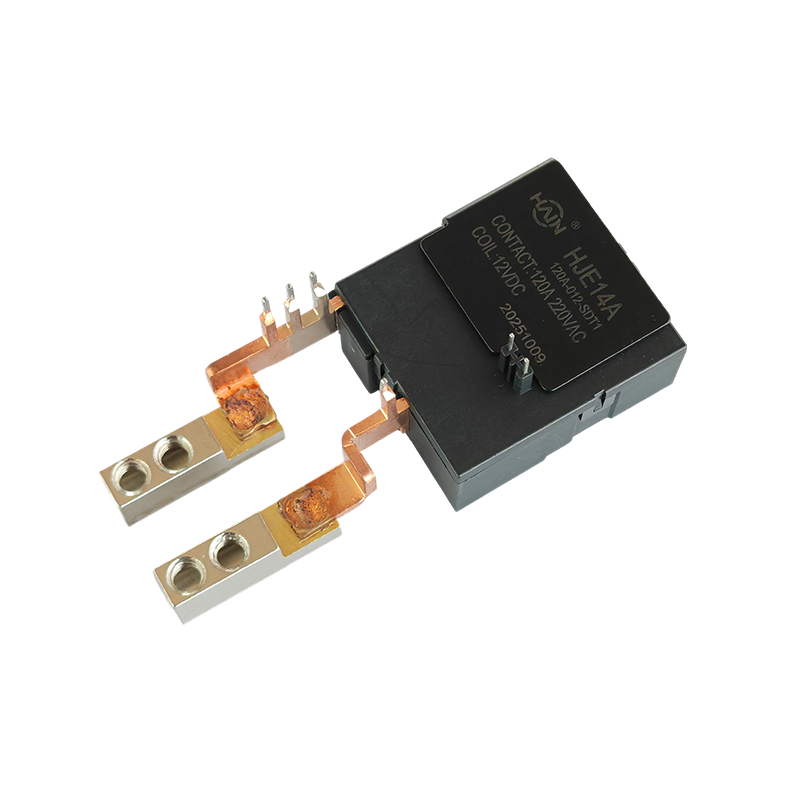
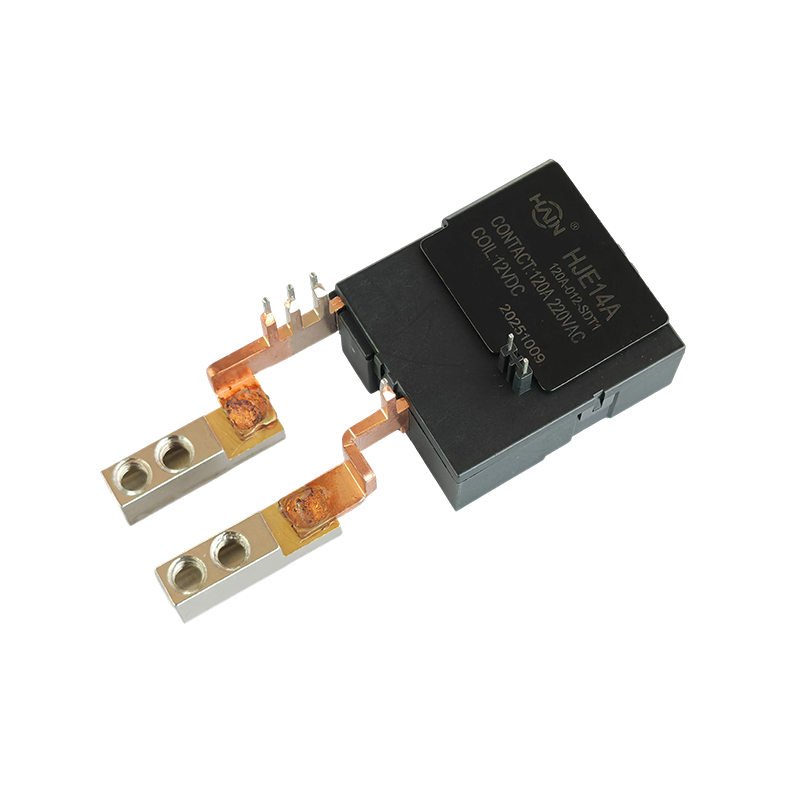

What makes the Single-Phase Magnetic Lock Relay better than traditional electromagnetic relays?
With the accelerating development of smart grids and electrical automation, the role of relays is undergoing profound changes. They are no longer simply switching elements, but are gradually becoming fundamental components affecting system energy efficiency, stability, and control logic. Among them, the Single-Phase Magnetic Lock Relay, with its low power consumption, state retention capability, and high system adaptability, is being adopted by more and more power and industrial scenarios.
This change is not accidental, but rather a result of the evolution of the entire power system from traditional operating modes to intelligent and energy-saving directions.
I. Structural Upgrade from Continuous Power Supply to State Retention
Traditional relays require continuous power supply to maintain their engaged state during operation. This not only incurs additional energy consumption but also generates heat accumulation over long periods, potentially impacting system stability.
The Single-Phase Magnetic Lock Relay, however, has a completely different design philosophy. It achieves state locking through its internal magnetic circuit structure. After completing an action switch, only a brief pulse signal is needed to maintain the current state, and this state remains unchanged even when power is off. This structure gives it significant advantages in energy saving and reliability.
In smart meters, remote control switches, and distributed energy management systems, this characteristic effectively reduces the load on control loops and lowers overall system power consumption, providing a fundamental guarantee for long-term stable operation.
II. The Underlying Logic of Expanding Application Scenarios
As the complexity of power systems increases, the application scope of single-phase magnetic latching relays is continuously expanding, extending from traditional power distribution control to more intelligent scenarios.
In smart metering systems, it can achieve remote on/off control and maintain the last state in the event of a power outage, avoiding data logic corruption. In industrial automation equipment, it can be used for load switching and protection control, improving system response efficiency. In new energy charging and storage systems, it undertakes critical circuit isolation and safety control functions.
These application scenarios share the common characteristics of high stability requirements and greater sensitivity to energy consumption control, and the magnetic latching structure perfectly meets both of these needs.
III. The Close Relationship Between Structural Reliability and Manufacturing Capability
Although single-phase magnetic latching relays appear compact, their internal design involves complex electromagnetic control and mechanical coordination. Magnetic circuit stability, contact materials, arc-extinguishing design, and coil pulse response capability all directly affect product lifespan and reliability.
Therefore, these products place high demands on the technological accumulation and process control capabilities of manufacturing enterprises. They require not only stable electromagnetic design capabilities but also a mature mass production system as support.
In this field, Huajin Technology Jiaxing Co., Ltd. has long focused on the research and development and manufacturing of relay products. Founded in May 2021, the company is located at No. 707 Yanyu Road, Wuyuan Street, Haiyan County, Jiaxing City, Zhejiang Province. It is a high-tech enterprise specializing in the research, development, production, and sales of relays.
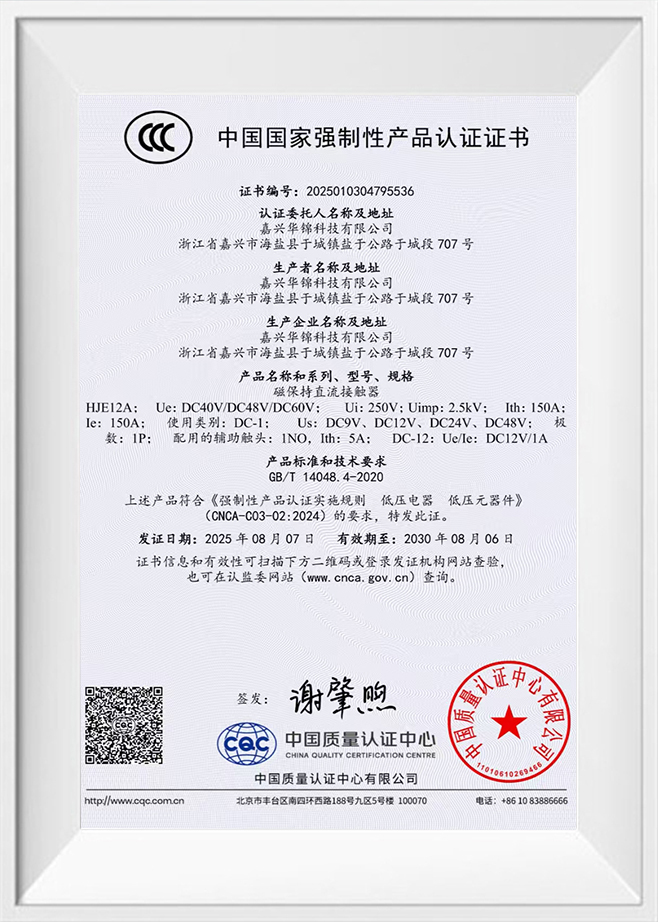
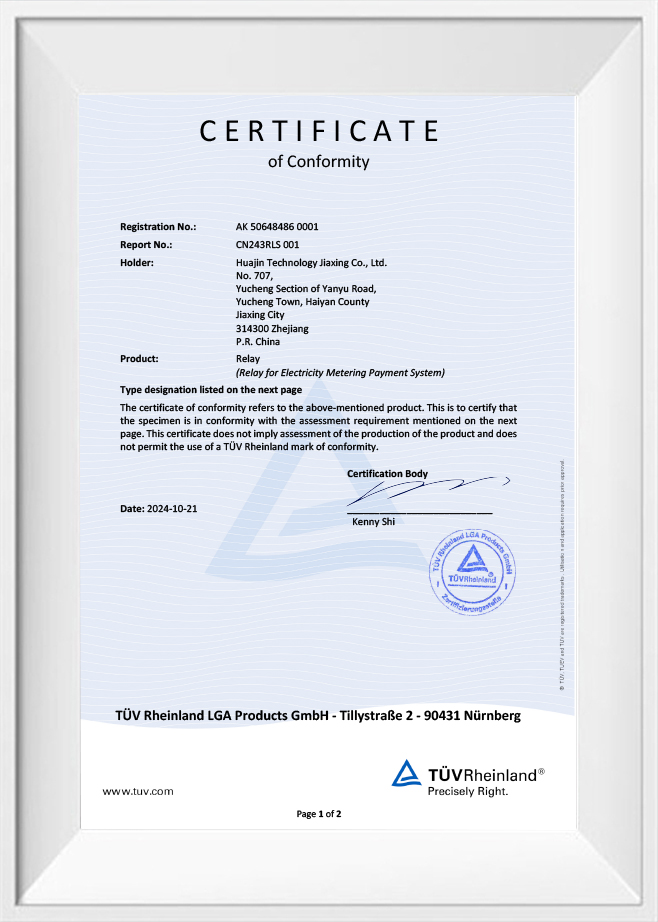
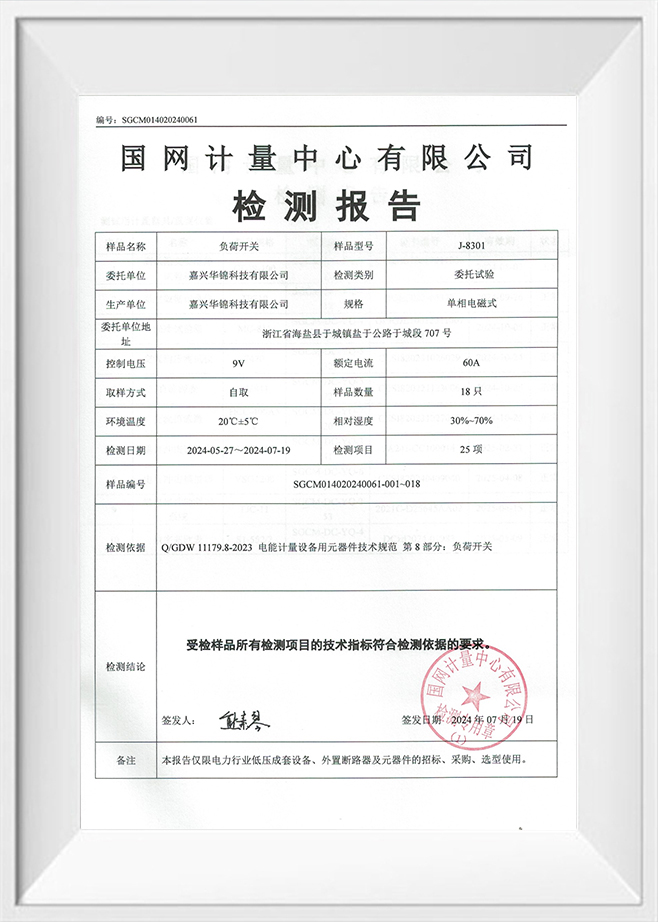
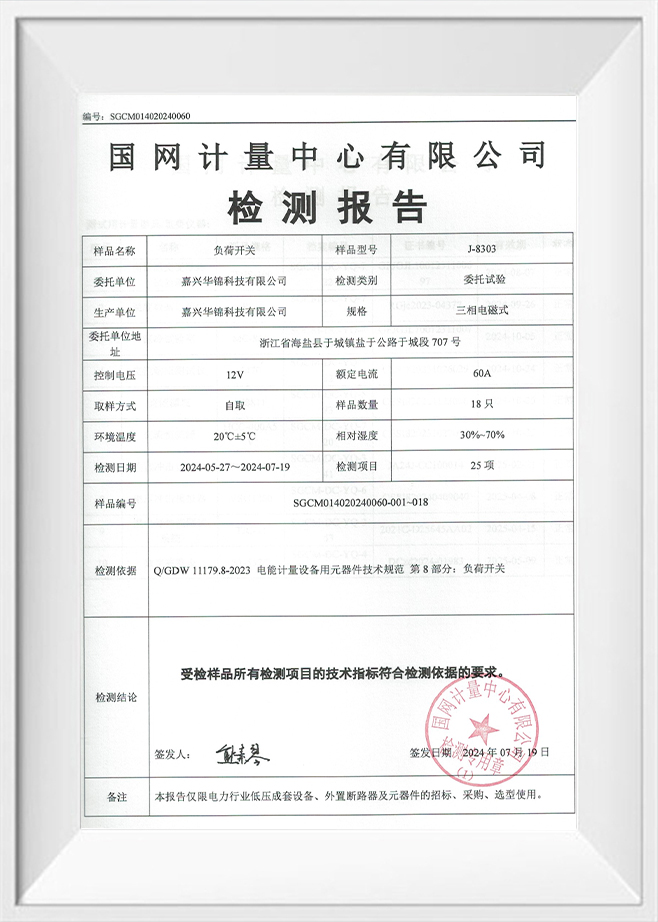
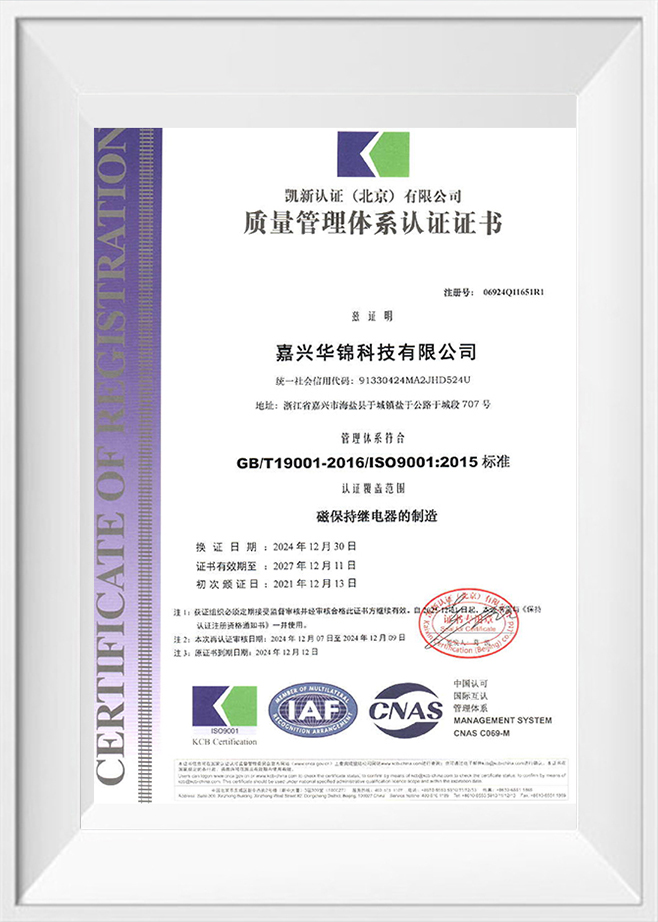
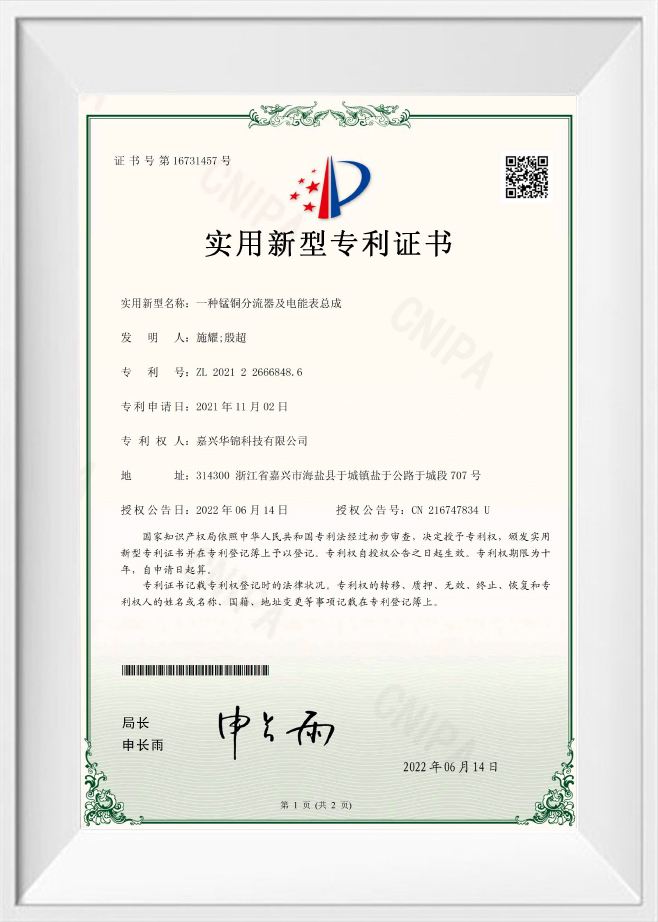
Regarding the production system, the company has established a comprehensive quality management process and has passed ISO9001-2015 quality management system certification. Its products have also obtained multiple authoritative standard recognitions, including CCC certification, State Grid certification, and TÜV certification, and possess numerous technical patents to support continuous product upgrades.
In terms of product portfolio, the company not only covers single-phase magnetic latching relays but also includes two-phase and three-phase magnetic latching relays, as well as various industrial and power control relay products, enabling it to provide flexible customized solutions according to different application scenarios. This capability, ranging from standard products to system solutions, gives it strong adaptability to diverse customer needs.
IV. Why Magnetic Latching Structures Are Becoming the Mainstream Choice
From a system design perspective, the advantages of single-phase magnetic latching relays are not only reflected in energy saving but also in the optimization of the overall control architecture.
Because they do not require continuous power supply in a stable state, the output pressure on the system controller is significantly reduced, thereby reducing energy loss. Simultaneously, their state-holding capability allows them to maintain their original operating logic even under grid fluctuations or temporary power outages, which is particularly important for smart metering and remote control systems.
Magnetic latching structures can also reduce system interference caused by frequent control signal outputs, improving overall operational stability. These combined advantages make them a preferred choice in an increasing number of new power systems.
V. The Role Transformation from Component to System Node
In the rapid development of smart grids and the energy internet, the functional boundaries of relays are constantly expanding. Single-phase magnetic latching relays are no longer just simple switching devices but are gradually becoming important nodes connecting control and execution systems.
They not only undertake the task of circuit switching but also participate in system state maintenance and energy consumption optimization. In this process, the requirements for product consistency, reliability, and customization capabilities continue to increase.
Companies with complete R&D systems and large-scale manufacturing capabilities are better able to adapt to this trend. For example, in Huajin Technology's product system, the combination of modular design and multi-specification magnetic latching structures can meet the needs of different voltage levels and control scenarios, making relays closer to actual engineering applications, rather than just remaining at the level of standard components.
FAQ
Q1: What are the core advantages of a single-phase magnetic latching relay?
A1: The main advantages are its state retention capability and low power consumption characteristics. It can maintain its current state even after power failure, reducing system energy consumption and improving stability.
Q2: In which main fields is it applicable?
A2: Widely used in smart meters, industrial control systems, new energy charging equipment, power distribution automation, and remote control systems.
Q3: Is the maintenance complexity higher than that of ordinary relays?
A3: Not at all. On the contrary, due to reduced continuous power-on heat generation, long-term operational stability is better, and maintenance pressure is usually lower.
Q4: What are the advantages of Huajin Technology Jiaxing Co., Ltd. in this field?
A4: The company has large-scale production capabilities, a complete quality system, and multiple certifications. It also supports OEM/ODM customization and can provide differentiated solutions according to different application scenarios.