
 English
 中文简体
中文简体 русский
How to Correctly Calculate Rated Current and Power Consumption Derating for AC Charging Station Relays Exposed to High-Temperature Outdoor Summer Environments
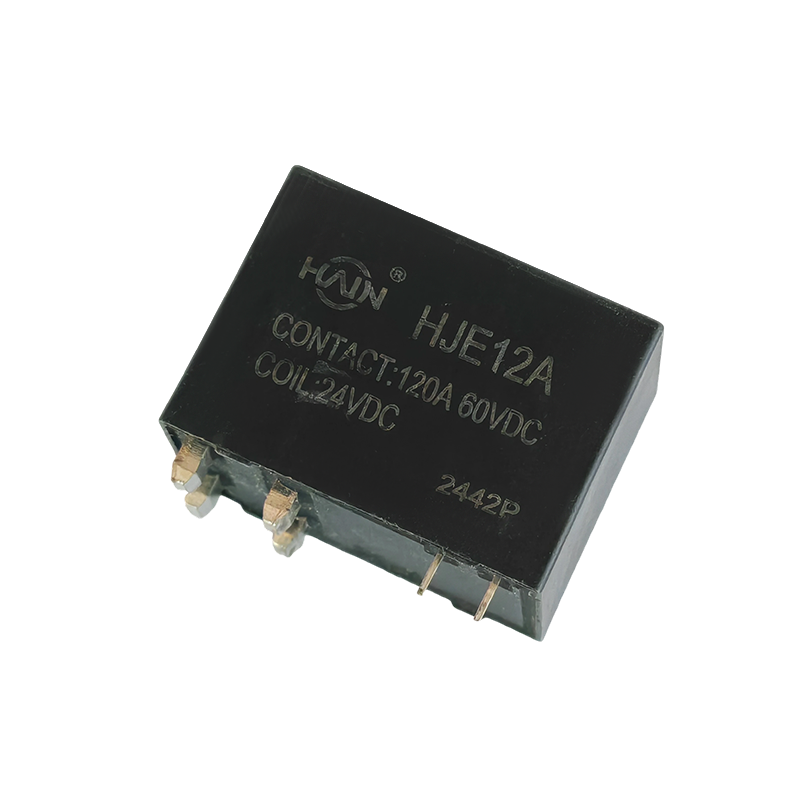
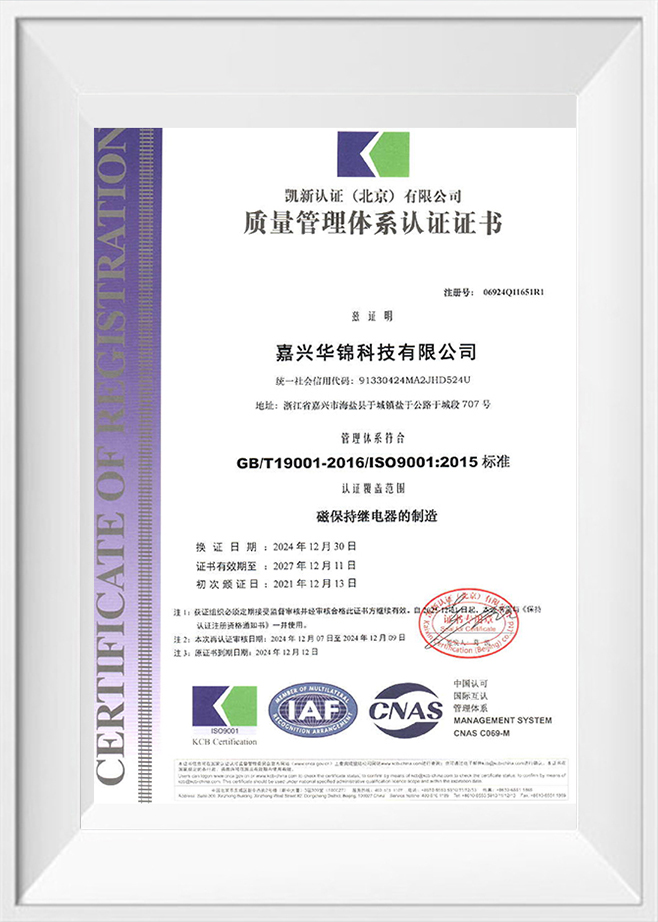
Outdoor EV charging infrastructure must withstand extreme weather conditions, particularly intense summer solar radiation and high ambient temperatures. Inside a sealed enclosure, the thermal load rises exponentially, directly affecting the performance of the AC Charging Station Relay. As a specialized high-tech enterprise, Huajin Technology Jiaxing Co., Ltd. applies its advanced R&D and ISO9001-2015 certified production processes to design relays capable of handling these severe thermal challenges without compromising safety or reliability.
To avoid terminal over-temperature faults or permanent relay damage, engineering teams must precisely analyze both coil heat dissipation and contact current-carrying capacity under extreme ambient baselines.
1. The Thermal Mechanics of Relay Derating in Outdoor Enclosures
When an AC charging station operates under direct sunlight, the internal temperature of the charging pile can easily exceed 70°C, even if the ambient air temperature is only 40°C. This excessive temperature affects the relay in two major ways:
- Coil Resistance Increase: Copper wire resistance increases as temperature rises. At higher temperatures, the coil requires a higher voltage to guarantee proper contact pull-in, while its continuous holding power generates more localized heat.
- Contact Temperature Rise Limits: The total temperature of the relay contact equals the internal enclosure temperature plus the temperature rise caused by the continuous load current. Since safety standards limit the maximum allowable contact temperature, the load current must be reduced (derated) as the ambient temperature goes up.
2. Calculating the Load Current Derating Factor
To determine the safe maximum continuous current ($I_{safe}$) for a charging station operating in extreme heat, engineers use a standard thermal degradation curve. The calculation typically follows this methodology:
Safe Continuous Current (I_safe) = Rated Nominal Current (I_rated) × Temperature Derating Coefficient (K_t) × Duty Cycle Factor (K_d)
Where "K_t" represents the reduction factor for ambient temperatures exceeding the baseline (usually 40°C or 55°C), and "K_d" accounts for long-duration continuous operation (EV charging is classified as a continuous load lasting over 3 hours).
3. Parameter Comparison Matrix: Standard vs. High-Temperature Environments
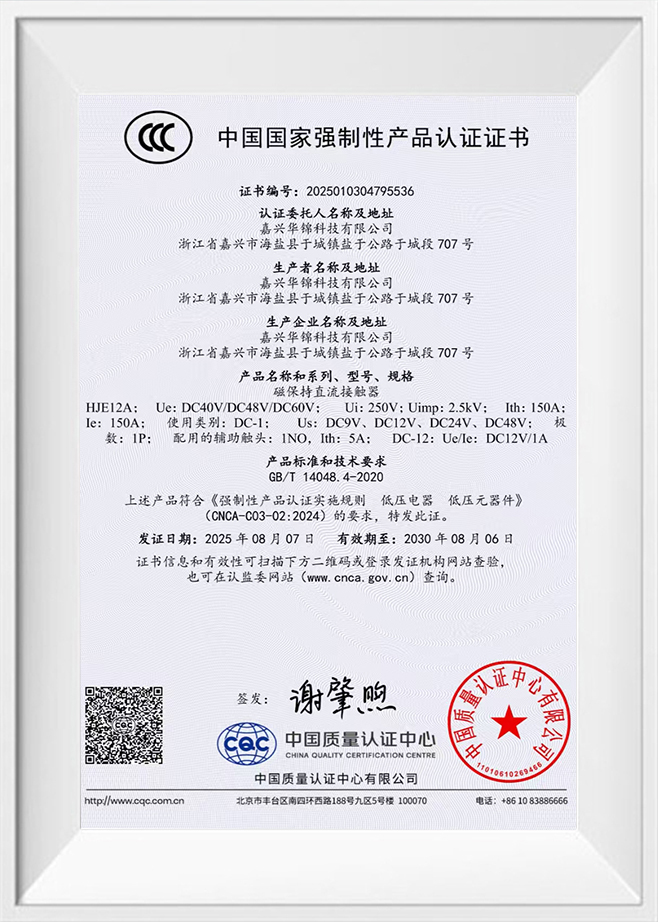
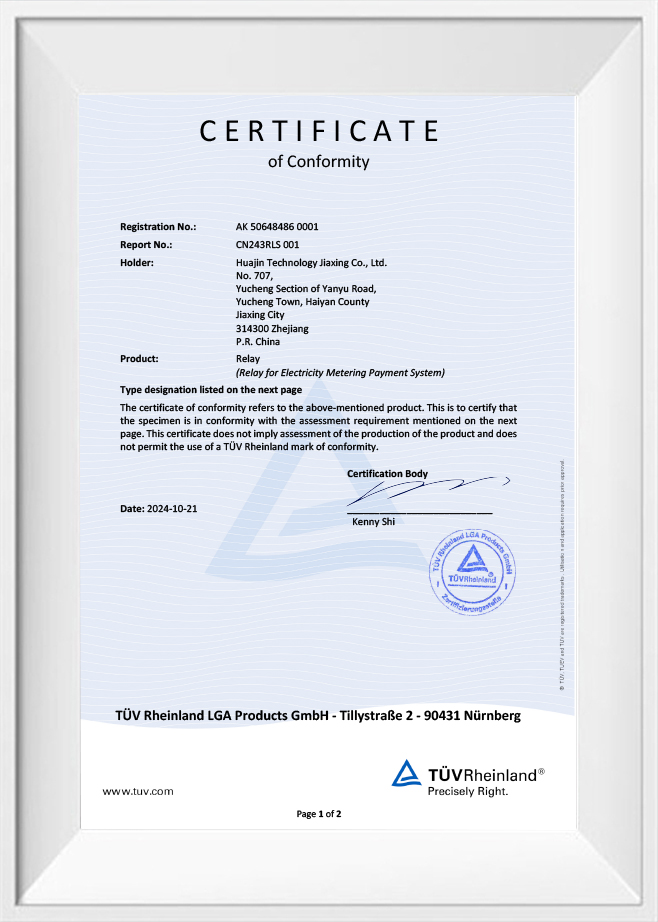
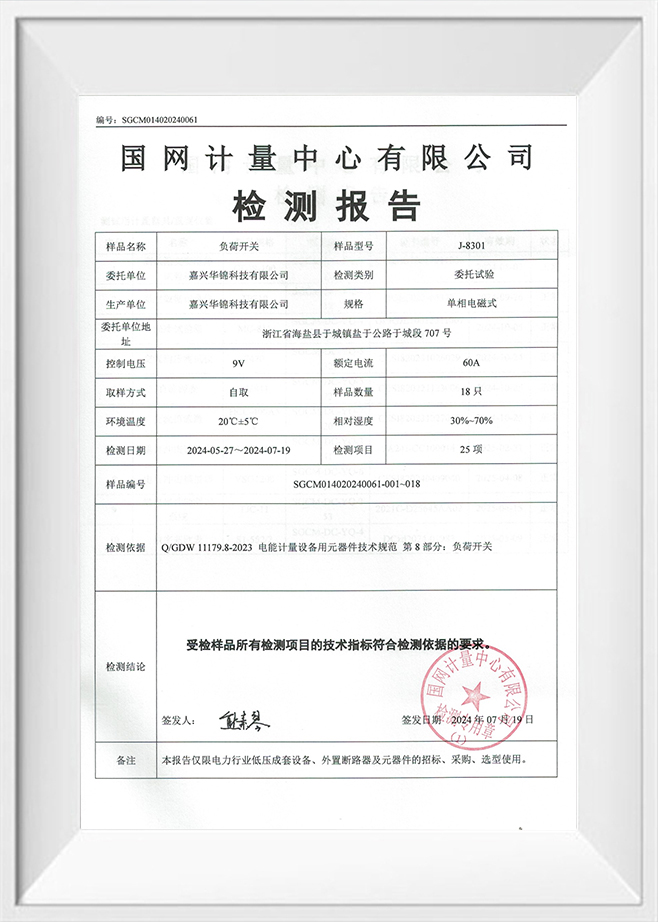
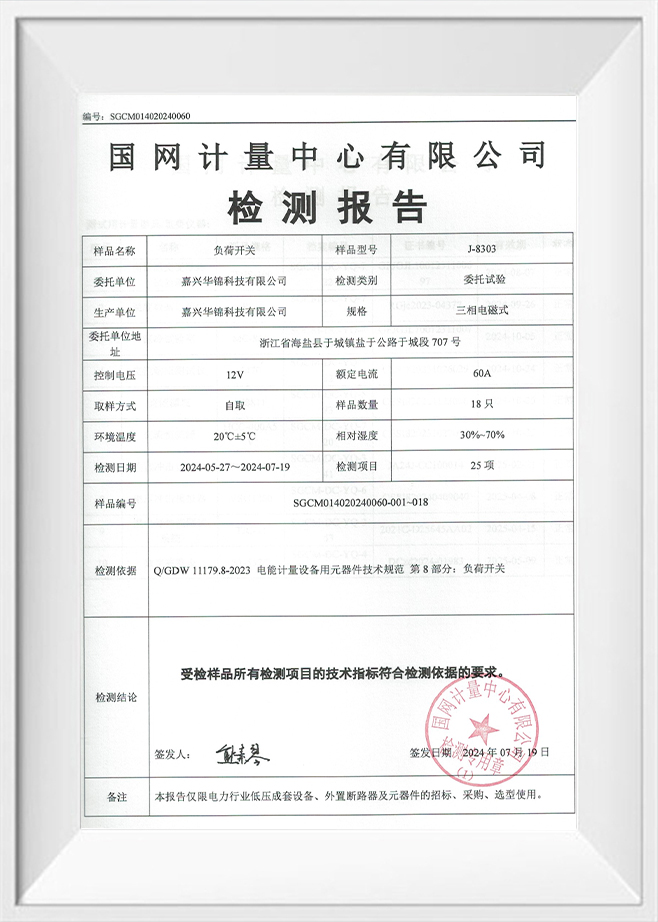
The following technical reference matrix demonstrates how electrical parameters must shift to maintain safety margins when a charging pile is subjected to extreme outdoor summer heat. Huajin Technology Jiaxing Co., Ltd. utilizes these rigorous criteria alongside their CCC, TUV, and State Grid certifications to ensure international safety compliance.
| Internal Pile Ambient Temp. | 25°C - 40°C | 70°C - 85°C | Apply a K_t derating factor of 0.75 - 0.80. |
| Max Continuous Current (32A Rated) | 32A (Full Capacity) | 24A - 26A (Without Optimization) | Utilize heavy-duty 40A or 50A relays to maintain a true 32A capacity at 85°C. |
| Coil Power Dissipation | Nominal Wattage | Increased by 15% - 20% | Implement PWM energy-saving holding voltage control or use magnetic latching mechanisms. |
| Contact Material Strategy | Standard AgNi / AgSnO2 | AgSnO2 with optimized plating | Minimizes contact resistance growth and prevents welding under thermal stress. |
4. Utilizing Magnetic Latching Relays to Mitigate Coil Power Consumption
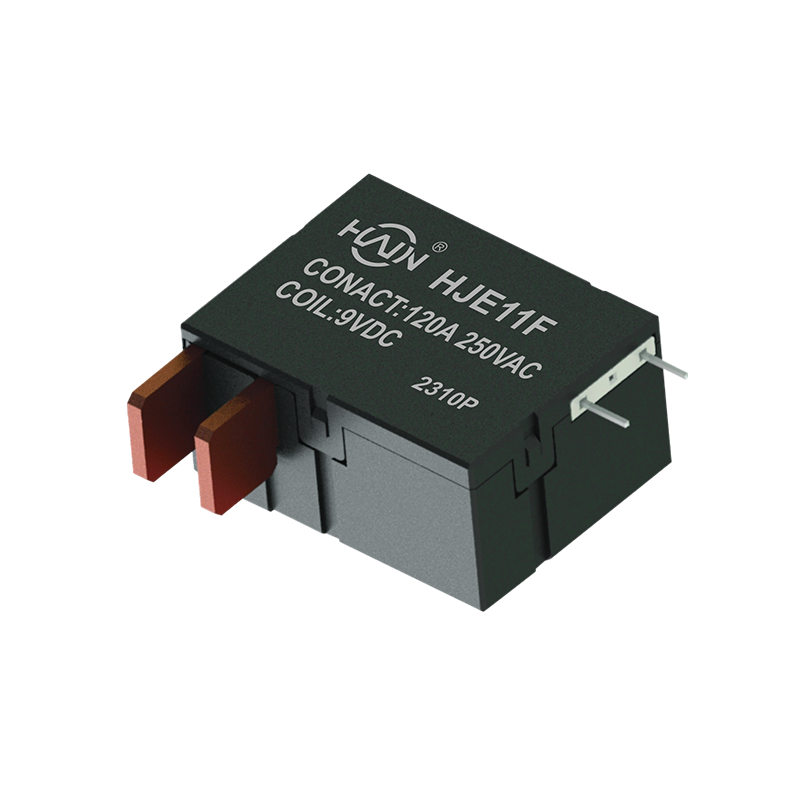
One of the most effective methods to combat heat accumulation inside outdoor charging piles is eliminating continuous coil power consumption. Traditional monostable relays require constant coil excitation to keep the contacts closed, which continuously generates heat inside the component. By contrast, a magnetic latching relay uses permanent magnets to hold the contacts in place, requiring only a short electrical pulse to change states. Huajin Technology Jiaxing Co., Ltd. specializes in this exact technology, producing over 10 million magnetic latching relays annually to drastically cut system power consumption and thermal emissions.
5. Frequently Asked Questions (FAQ)
Q1: How does Huajin Technology Jiaxing Co., Ltd. optimize an AC Charging Station Relay to handle intense outdoor summer heat?
Huajin Technology Jiaxing Co., Ltd., established in May 2021 in Haiyan County, Jiaxing City, operates an expansive 8,000 square meter factory equipped with advanced R&D and testing labs. To address outdoor summer exposure, the company utilizes optimized contact structures and specialized heat-resistant composite housings that maintain high structural integrity at elevated temperatures. Backed by an ISO9001-2015 quality management system and holding multiple technical patents, their relays are engineered to lower internal contact resistance, ensuring minimal localized temperature rise even when ambient enclosure temperatures soar.
Q2: Why are the magnetic latching relays from Huajin Technology Jiaxing Co., Ltd. preferred for reducing power consumption and thermal loads?
Huajin Technology Jiaxing Co., Ltd. has a specialized annual production capacity of over 10 million magnetic latching relays. Their single-phase, two-phase, and three-phase magnetic latching relays are highly favored for outdoor AC charging stations because they do not require continuous holding current to keep the circuits closed. By eliminating ongoing coil power consumption, these relays prevent the component from adding extra thermal stress to the charging pile's interior, lowering the required derating factor and improving the overall stability of the charging station in summer environments.
Q3: Does Huajin Technology Jiaxing Co., Ltd. possess international certifications to validate their relays' performance in global export markets?
Yes. Huajin Technology Jiaxing Co., Ltd. is a certified high-tech enterprise whose relays have successfully passed rigorous testing to obtain CCC certification, State Grid certification, and TUV certification. These international approvals validate that their relays maintain safe isolation and clear derating predictability under extreme environmental stresses. This focus on premium quality and robust performance allows the company to successfully export approximately 30% of its total annual production to demanding international markets, providing reliable customized solutions for various global EVSE clients.