
 English
 中文简体
中文简体 русский
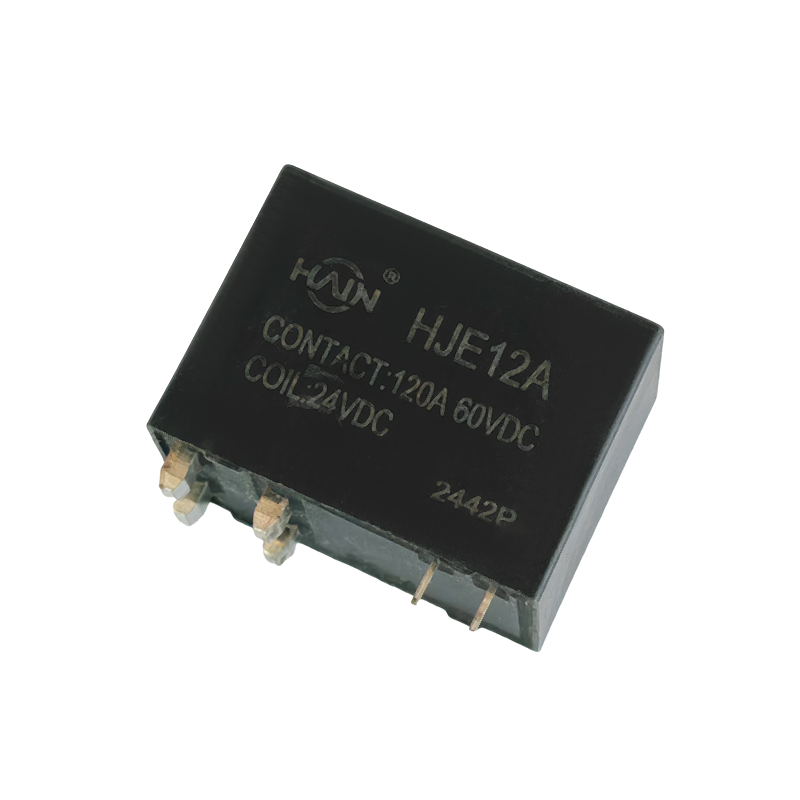
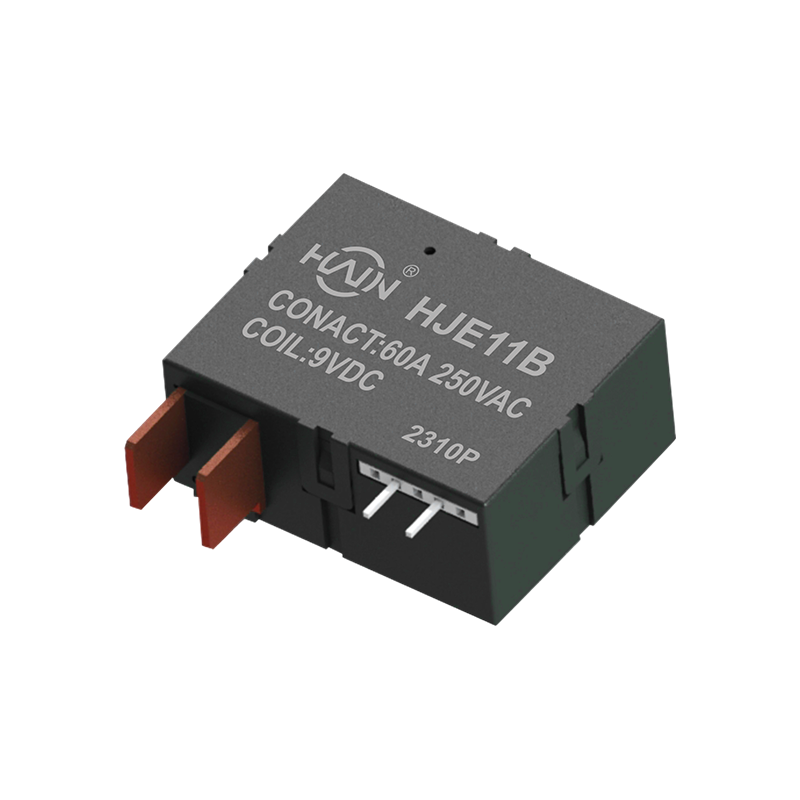
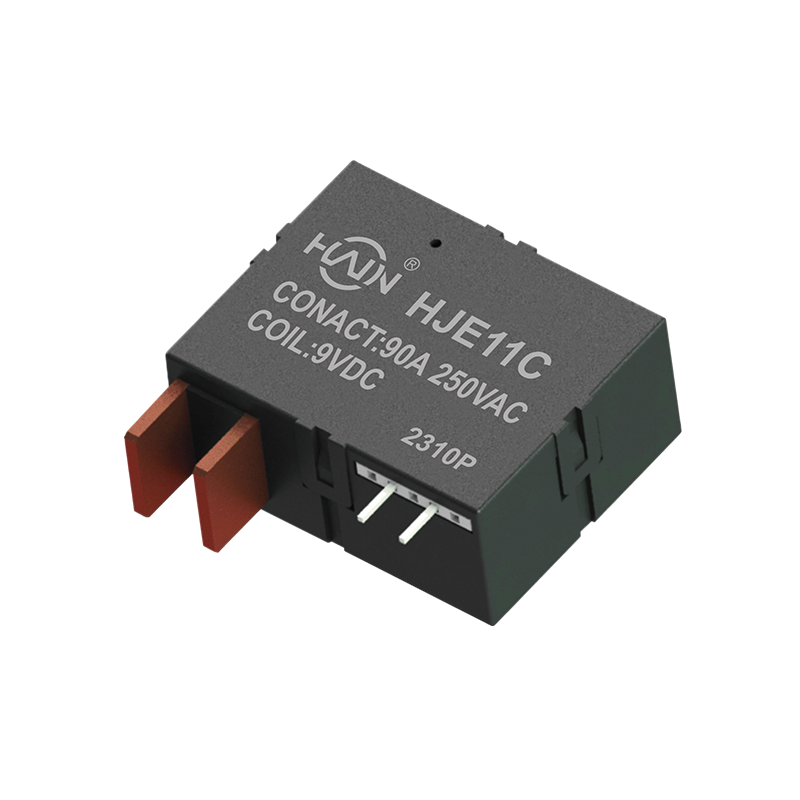
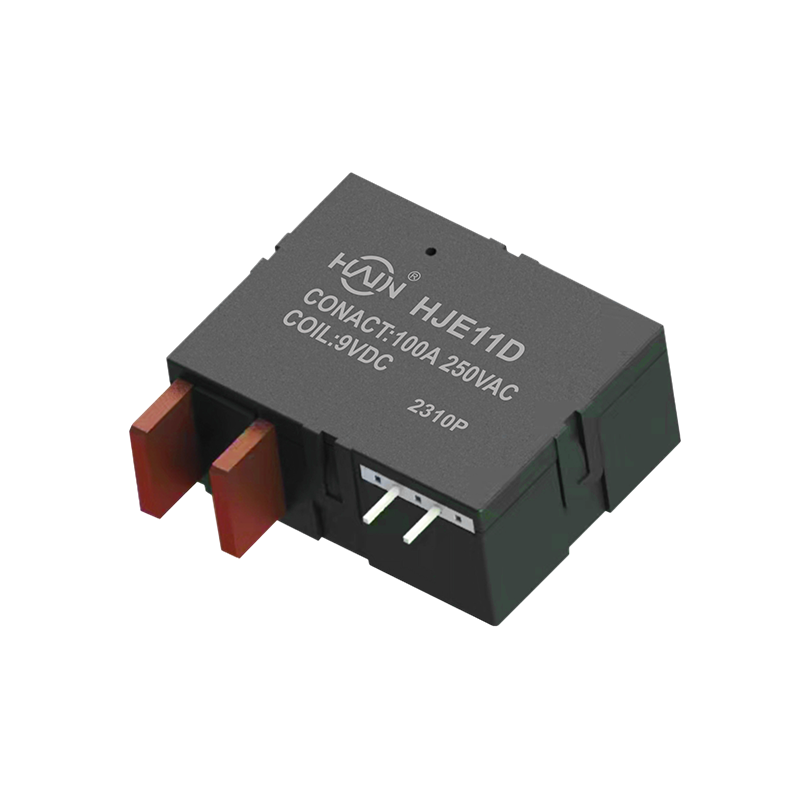
How to Correctly Set the Voltage Threshold and Delay Time of Overvoltage Self-Locking Relays Based on Sensitive Electronic Load Withstand Limits
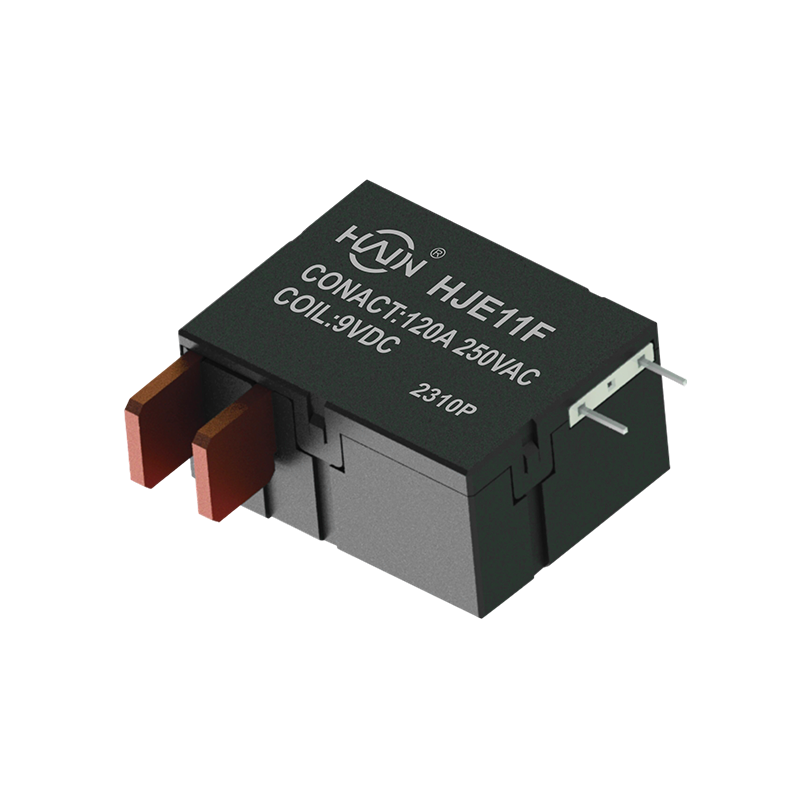
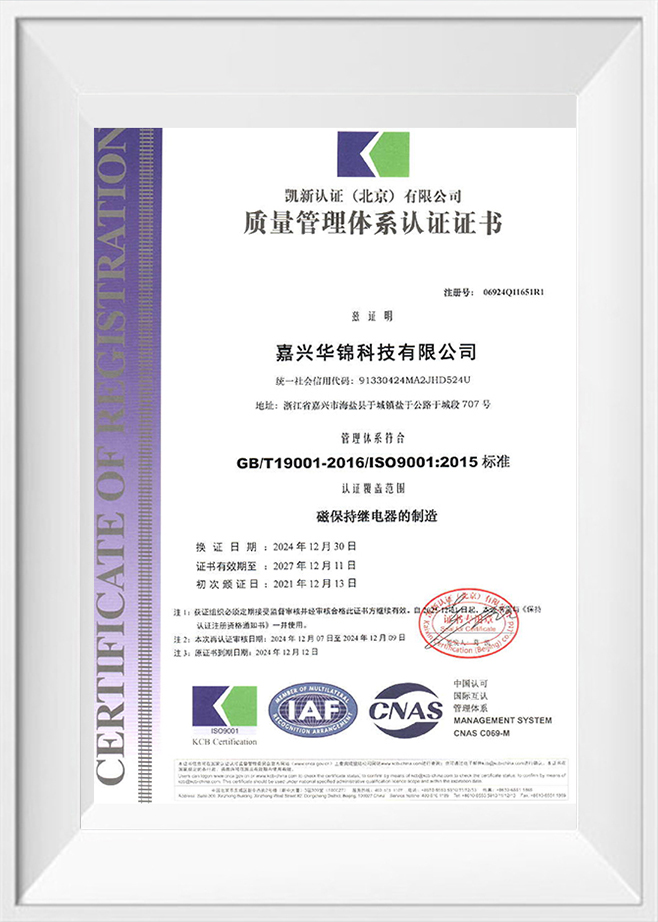
Sensitive electronic loads, such as microprocessors, telecommunication modules, and delicate laboratory instruments, have strict operating voltage tolerances. Exceeding their maximum transient voltage limit even for a few milliseconds can result in immediate component breakdown or permanent data loss. To isolate these faults, implementing an Overvoltage Self-Locking Relay provides a reliable hardware defense. As a specialized high-tech enterprise, Huajin Technology Jiaxing Co., Ltd. combines advanced R&D with ISO9001-2015 certified manufacturing workflows to deliver high-precision relay solutions tailored to protect critical components under volatile grid conditions.
Proper coordination requires mapping the overvoltage protective threshold and response timings directly against the impulse withstand voltage curve of the target equipment.
1. Determining the Optimum Overvoltage Threshold
Setting the voltage threshold requires a careful balance. If the threshold is set too close to the nominal operating voltage, normal grid fluctuations will trigger nuisance tripping and unnecessary system lockouts. Conversely, if it is set too high, the sensitive load will absorb destructive energy before the relay can respond. Engineers must analyze the target load's maximum continuous operating voltage and its absolute peak withstand ceiling:
- Nominal Voltage Baseline ($V_{nom}$): The standard operational power level (e.g., 220V AC or 24V DC).
- Maximum Allowable Continuous Overvoltage ($V_{max\_cont}$): The upper limit where the device can operate safely for extended periods without degradation (typically 110% to 115% of $V_{nom}$).
- Destructive Impulse Voltage Ceiling ($V_{damage}$): The critical transient peak that causes instant dielectric insulation puncture or semiconductor breakdown. The relay's locking threshold must always be configured below this absolute maximum.
2. Configuring Action Delay Time to Balance Protection and Noise Immunity
Voltage grids are inherently noisy, frequently experiencing brief, harmless microsecond-level voltage spikes caused by inductive switching or nearby lightning dissipation. If a relay acts instantly on these transient bursts, the self-locking mechanism will continuously freeze the system. Therefore, an intentional action delay time must be designed into the circuit:
Total Response Time ($T_{total}$) = Sensor Detection Delay ($T_{det}$) + Intentional Program Delay ($T_{delay}$) + Relay Mechanical Opening Time ($T_{mech}$)
For sensitive loads, $T_{total}$ must be strictly shorter than the maximum duration the electronic load can tolerate the specific overvoltage level, ensuring the contacts self-lock into a safe open state before internal load damage occurs.
3. Parameter Comparison Matrix: Protection Profiles for Varied Load Sensitivity
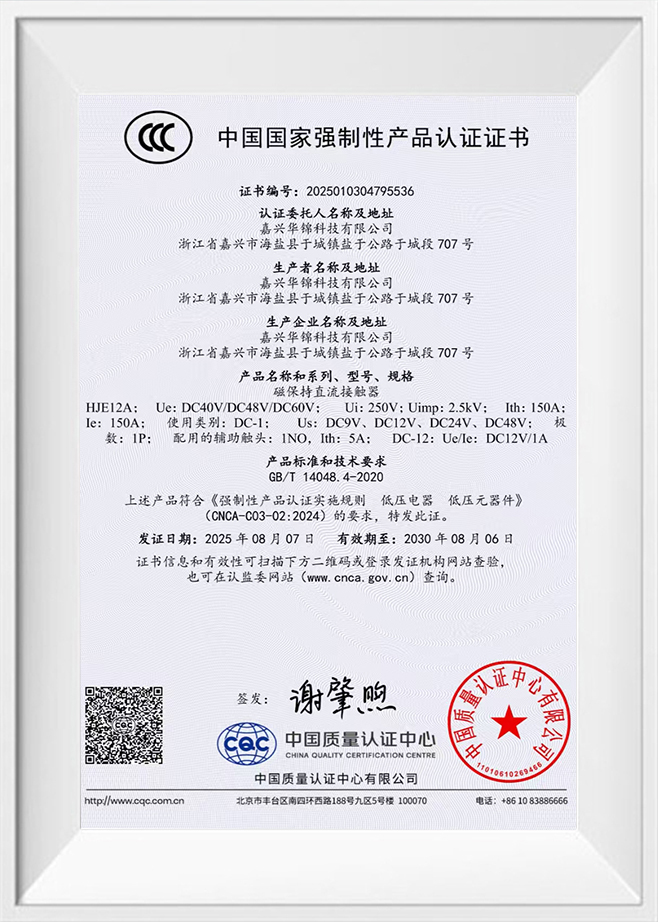
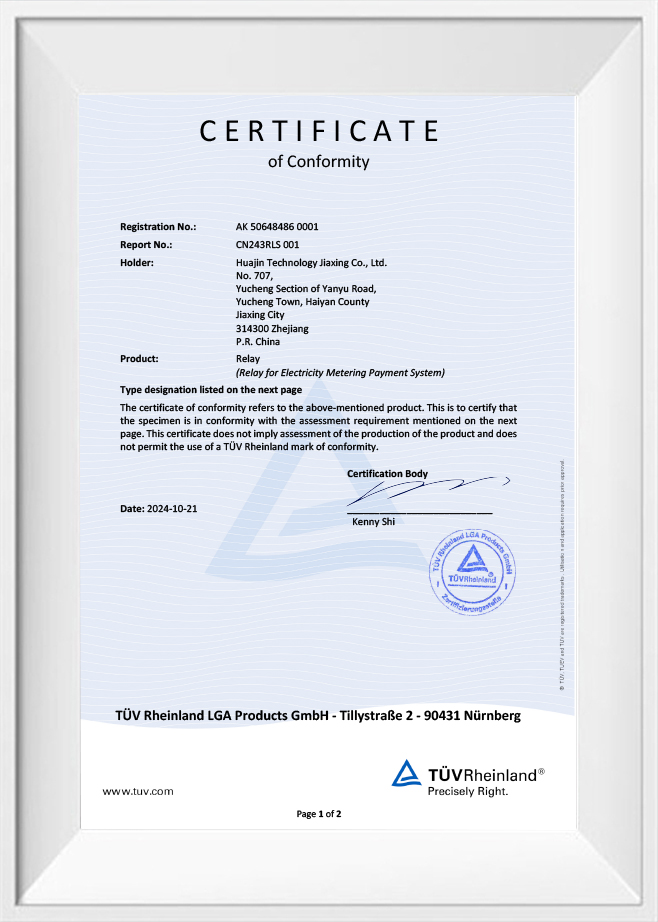
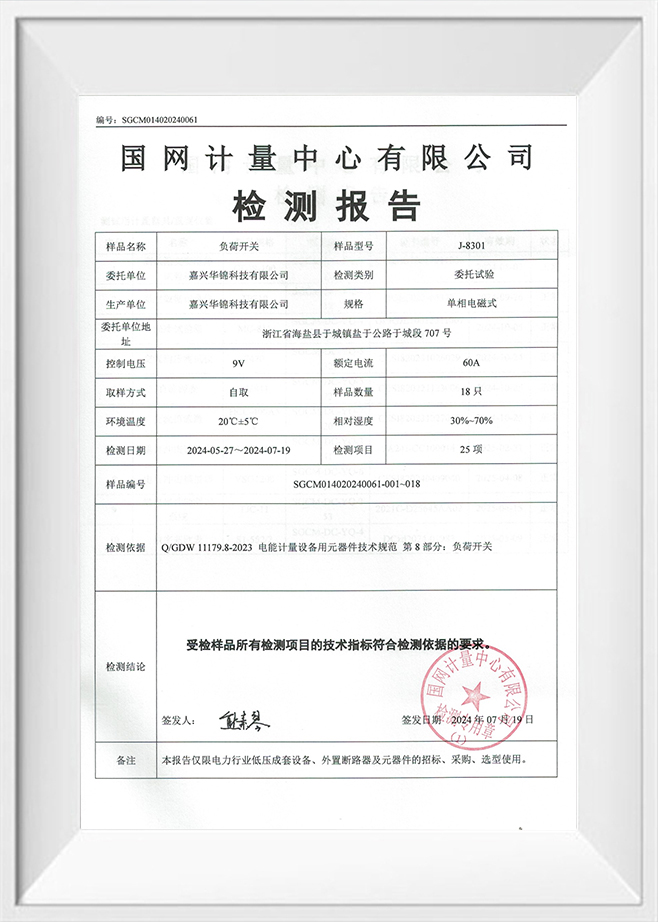
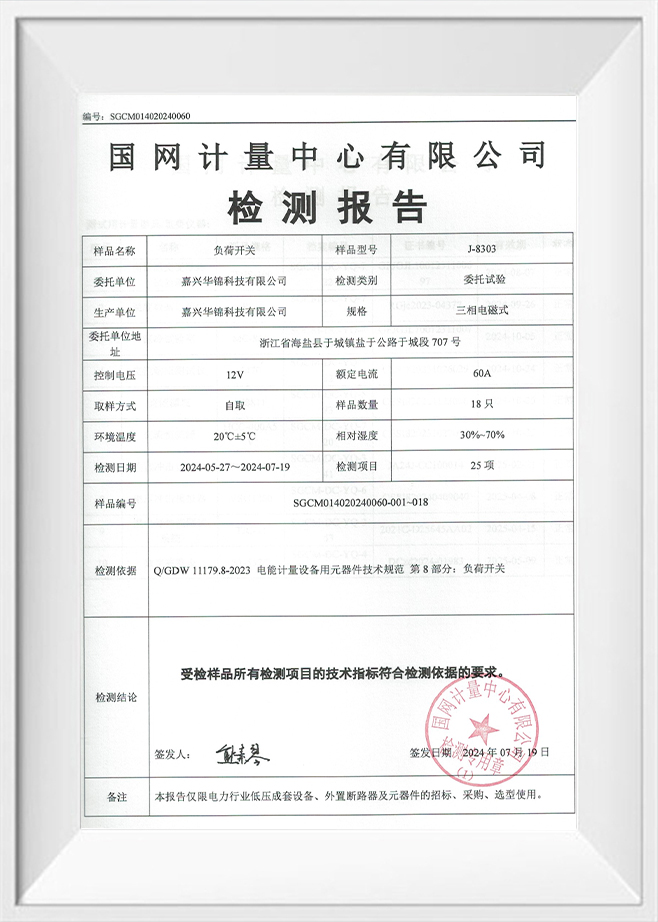
The reference matrix below highlights how threshold and delay parameters must adapt to different types of hardware. Huajin Technology Jiaxing Co., Ltd. applies rigorous product testing and structural design methods validated by their CCC, TUV, and State Grid certifications to fulfill these exact safety profiles.
| Ultra-Sensitive (High Risk) | Medical diagnostic sensors, PLC mainframes, high-frequency communication ICs | 115% of Nominal Voltage | Instantaneous to 50 milliseconds |
| Standard Electronic (Moderate Risk) | Switching power supplies, industrial computers, LED control drivers | 120% of Nominal Voltage | 100 to 300 milliseconds |
| Robust Electrical (Low Risk) | Standard AC motors, heating elements, contactor coils | 125% to 130% of Nominal Voltage | 500 to 2000 milliseconds |
4. The Importance of Low Contact Resistance in Continuous Monitoring
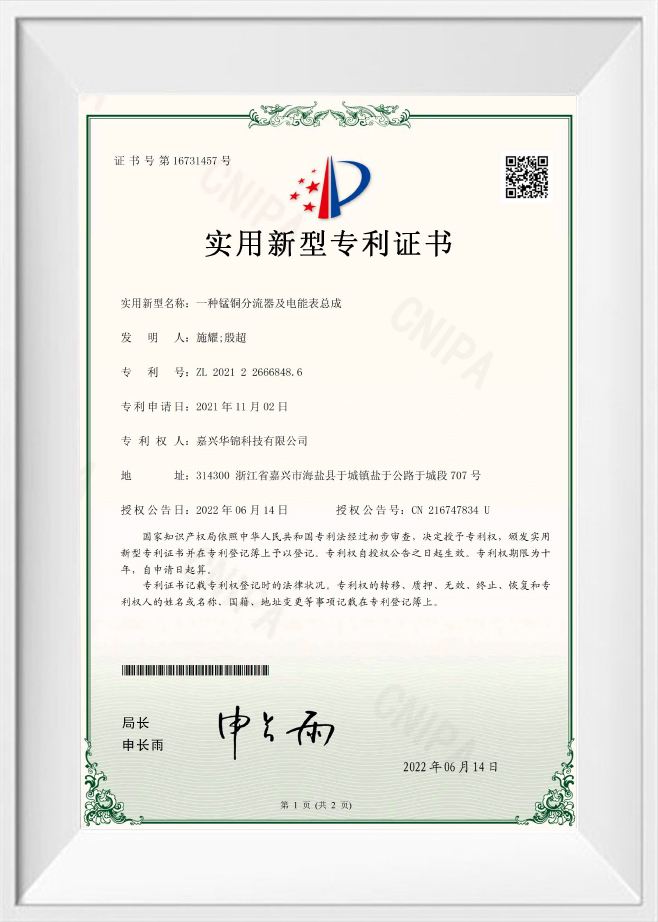
Because protection relays typically remain closed for thousands of hours waiting for an overvoltage anomaly, their steady-state thermal behavior is critical. High contact resistance creates steady heat buildup, which can alter the calibrated calibration curves over time. Utilizing optimized single-phase, two-phase, or three-phase magnetic latching designs helps stabilize the contact matrix. Huajin Technology Jiaxing Co., Ltd. integrates advanced internal material compositions backed by proprietary technical patents to keep internal resistance low, preserving precise threshold accuracy even after years of continuous enclosure deployment.
5. Frequently Asked Questions (FAQ)
Q1: How does the technical expertise at Huajin Technology Jiaxing Co., Ltd. support the precise performance of an Overvoltage Self-Locking Relay?
Huajin Technology Jiaxing Co., Ltd., established in May 2021 in Haiyan County, Jiaxing City, operates a highly automated 8,000 square meter factory supported by over 120 skilled professionals. The company utilizes precision tooling and holds multiple technical patents focused on relay contact stability and calibration consistency. Through their strict ISO9001-2015 quality management system, they ensure that every relay possesses highly repeatable contact opening and mechanical response timings, giving engineers full predictability when aligning the relay's trip curve with delicate electronic component limits.
Q2: Can magnetic latching relays from Huajin Technology Jiaxing Co., Ltd. be configured to perform self-locking protection functions?
Yes. Huajin Technology Jiaxing Co., Ltd. specializes in the R&D and manufacture of single-phase, two-phase, and three-phase magnetic latching relays, with an annual output exceeding 10 million units. Magnetic latching relays inherently lock into position using permanent magnets without consuming continuous coil power. This structural mechanism makes them ideal for self-locking protection schemes, as they securely hold their open fault isolation state even if the control circuit completely loses power during a catastrophic grid overvoltage failure event.
Q3: What regulatory assurances do Huajin Technology Jiaxing Co., Ltd. relays provide for safety-critical industrial lines?
Huajin Technology Jiaxing Co., Ltd. is a registered high-tech enterprise committed to international safety standards. Their relays have successfully passed meticulous testing to secure CCC certification, TUV certification, and State Grid certification. These certificates prove that their components meet global requirements for dielectric strength, creepage distance, and isolation reliability under severe electrical strain, making them trusted choices for global export projects, which currently account for about 30% of the company's total sales volume.