
 English
 中文简体
中文简体 русский


How to wire multiple CTs (Current Transformers) to a multi circuit meter relay?
In modern energy monitoring and power distribution systems, the ability to accurately measure current across multiple circuits is essential for operational efficiency, safety, and data transparency. A multi circuit meter relay is specifically designed to collect, monitor, and manage electrical parameters from several circuits through a centralized platform. When multiple Current Transformers (CTs) are involved, proper wiring practices become critical to ensure measurement accuracy, reliable relay operation, and long-term system stability.
A multi circuit meter relay combines multiple monitoring channels into a compact relay module, enabling centralized management of numerous electrical loads. This architecture significantly reduces wiring complexity while improving system visibility. Understanding how to connect multiple CTs to such devices requires knowledge of channel allocation, CT polarity, circuit isolation, and relay configuration.
This article explores the wiring principles, installation methods, and application considerations for different categories of relay solutions while also highlighting the manufacturing and customization capabilities offered by Huajin Technology Jiaxing Co., Ltd.
Understanding the Role of CTs in Multi-Channel Relay Systems
Current Transformers serve as measurement devices that convert high primary current into a lower secondary current suitable for monitoring equipment. In a multi-channel relay environment, each CT typically corresponds to an individual circuit being monitored. The relay receives signals from multiple CTs simultaneously and processes the information independently for each channel.
The primary purpose of integrating CTs with a multi circuit meter relay is to provide centralized current monitoring without requiring separate relay modules for every circuit. This approach reduces installation space, simplifies maintenance, and improves data collection efficiency.
When installing CTs, technicians must maintain proper polarity between the CT secondary terminals and the relay input terminals. Incorrect polarity can lead to inaccurate measurements, misleading energy data, and operational inconsistencies. Additionally, each CT channel should remain isolated from other channels to prevent signal interference.
Basic Wiring Principles
- Assign one CT to each monitored circuit.
- Match CT ratios with relay channel requirements.
- Maintain correct S1 and S2 terminal polarity.
- Avoid mixing secondary wiring between channels.
- Verify secure terminal connections before energization.
- Label all CT circuits for easier maintenance.
Following these principles creates a stable foundation for accurate current monitoring across multiple loads and distribution branches.
Category 1: Standard Multi-Channel Meter Relay Solutions
Standard multi-channel relay systems are commonly used in commercial buildings, industrial panels, and utility metering cabinets. These products typically provide several independent current measurement channels and are intended for straightforward monitoring applications. In this category, each CT is connected directly to its corresponding input terminal, creating a simple one-to-one relationship between the transformer and the monitored circuit.
A typical multi circuit meter relay in this category supports centralized monitoring while maintaining channel independence. This architecture allows operators to identify current consumption patterns across lighting systems, HVAC equipment, production lines, and auxiliary electrical loads. Since each channel functions independently, troubleshooting becomes significantly easier compared with traditional distributed monitoring systems.
The technical advantage of standard systems lies in their simplicity. Installation personnel can quickly route CT secondary wires to designated relay terminals without requiring advanced programming or network configuration. This makes the category particularly suitable for projects with moderate monitoring requirements and tight installation schedules.
Huajin Technology Jiaxing Co., Ltd. develops relay products with a strong emphasis on reliability and customization. Through independent design capabilities and advanced manufacturing processes, the company provides relay solutions that can accommodate diverse metering requirements while maintaining stable electrical performance.
Typical Applications
- Commercial office buildings.
- Retail power distribution systems.
- Equipment monitoring panels.
- Utility metering installations.
- Small industrial facilities.
Category 2: High-Density Multi-Circuit Monitoring Relays
High-density monitoring relays are designed for facilities that require a large number of circuits to be monitored within limited cabinet space. Data centers, manufacturing plants, and large commercial complexes often utilize this category because of its ability to consolidate numerous CT inputs into a compact relay assembly.
When wiring CTs to high-density systems, careful channel management becomes essential. Since a large number of CT leads enter the same enclosure, structured cable routing and clear identification labels are necessary. Each CT should be assigned to a dedicated channel according to the monitoring plan established during system design.
The major advantage of this category is scalability. Instead of installing multiple independent monitoring devices, operators can use a single multi circuit meter relay platform to oversee dozens of circuits. This reduces hardware requirements, simplifies maintenance procedures, and improves overall system organization.
Huajin Technology Jiaxing Co., Ltd. has established a municipal high-tech research and development center and employs experienced technical personnel dedicated to relay innovation. With more than twenty technical patents and extensive customization experience, the company can support high-density monitoring projects requiring specialized relay configurations and unique channel arrangements.
Installation Recommendations
- Create a channel allocation diagram before wiring.
- Install CTs according to load grouping strategy.
- Route secondary conductors through dedicated cable paths.
- Verify polarity consistency across all channels.
- Perform channel-by-channel commissioning tests.
- Document wiring layouts for future maintenance.
Category 3: Customized Meter Relay Solutions for Advanced Automation
Complex automation projects frequently require relay solutions that extend beyond standard monitoring functions. Customized meter relay systems are designed to accommodate specialized CT configurations, unique communication requirements, and project-specific control strategies. These systems are commonly found in smart energy management platforms, advanced industrial automation facilities, and large-scale infrastructure projects.
In these installations, CT wiring may be integrated with broader automation architectures involving supervisory control systems and centralized monitoring software. The relay acts as an interface between the measured current signals and higher-level management platforms. A properly configured multi circuit meter relay enables operators to obtain comprehensive visibility into power consumption trends across numerous assets.
One significant advantage of customized solutions is flexibility. Input channel arrangements, monitoring logic, communication methods, and enclosure designs can be tailored to project requirements. This adaptability allows system designers to optimize monitoring performance while maintaining efficient installation practices.
Huajin Technology Jiaxing Co., Ltd. possesses strong customization capabilities supported by independent mold development, advanced automation equipment, and extensive project experience. Since its establishment in 2021, the company has completed more than one hundred customized relay projects, enabling customers to implement specialized metering and control solutions across diverse industries.
Advantages of Customized Solutions
- Flexible channel configurations.
- Adaptation to unique cabinet layouts.
- Support for specialized monitoring requirements.
- Improved integration with automation systems.
- Enhanced long-term scalability.
Comparison of Multi-Circuit Relay Categories
| Category | Primary Focus | Typical Application | Installation Complexity | Customization Level |
| Standard Multi-Channel | Basic monitoring | Commercial buildings | Low | Moderate |
| High-Density Monitoring | Large channel count | Industrial facilities | Medium | High |
| Customized Automation | Advanced integration | Smart energy systems | High | Very High |
Step-by-Step CT Wiring Procedure
Regardless of the relay category selected, a systematic installation procedure is essential for achieving reliable performance. Technicians should begin by reviewing the relay channel layout and identifying the loads associated with each CT. Proper planning reduces installation errors and simplifies future maintenance activities.
Before wiring, verify that all CT ratings are compatible with the relay inputs. Each transformer should be mounted securely around its designated conductor. The CT secondary wires should then be routed carefully to the corresponding relay channel terminals. Maintaining polarity throughout the installation process is critical to preserving measurement accuracy.
For projects requiring centralized monitoring of many circuits, a Multi Circuit Meter Relay provides an efficient platform that consolidates numerous current measurements while reducing hardware complexity.
After wiring is completed, each channel should be tested individually. Commissioning personnel should confirm that current values correspond to the actual load conditions and that no channel interference exists. Thorough verification helps ensure dependable long-term operation.
Quality, Manufacturing, and Supply Capabilities
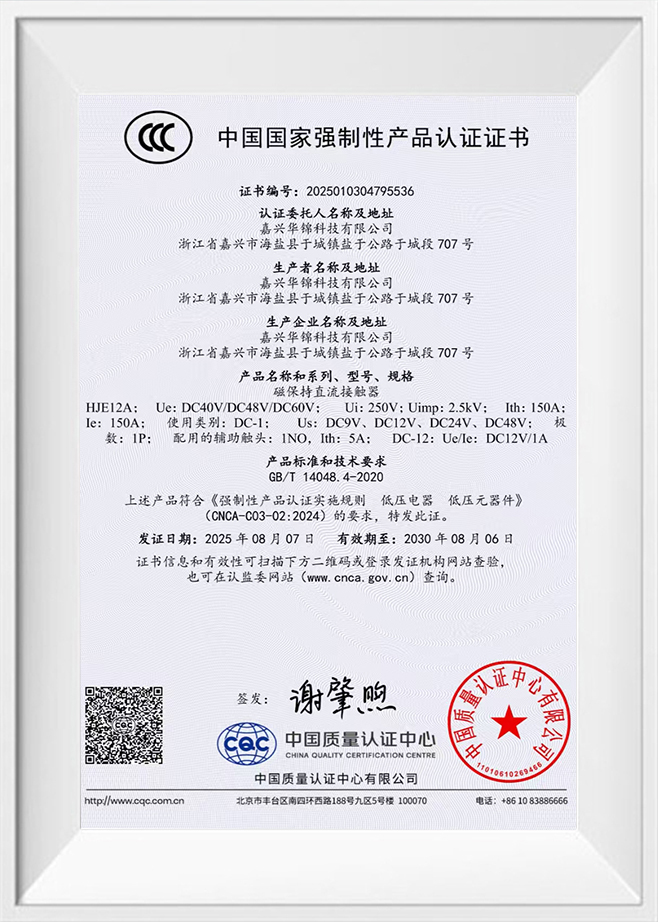
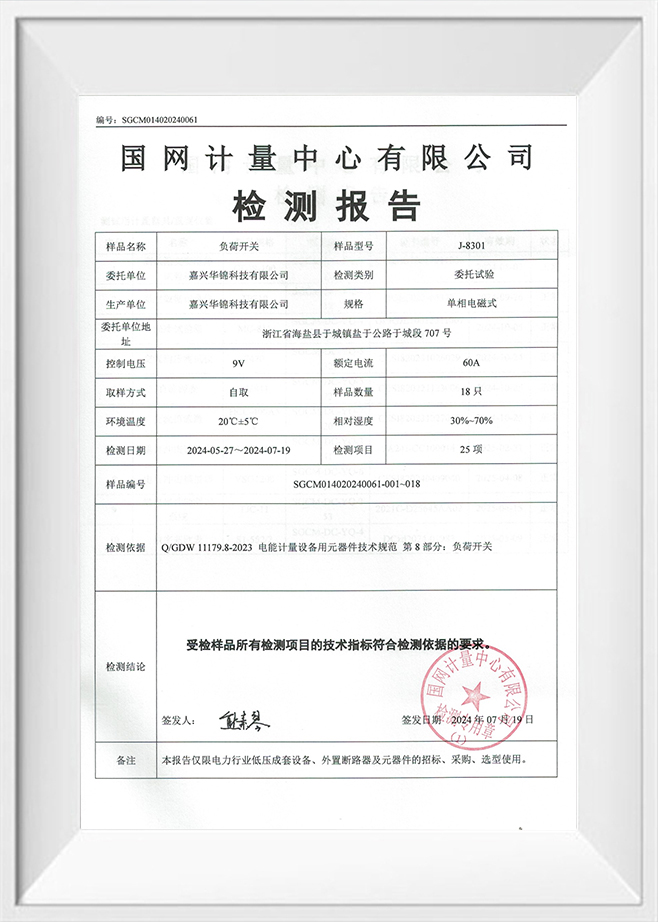
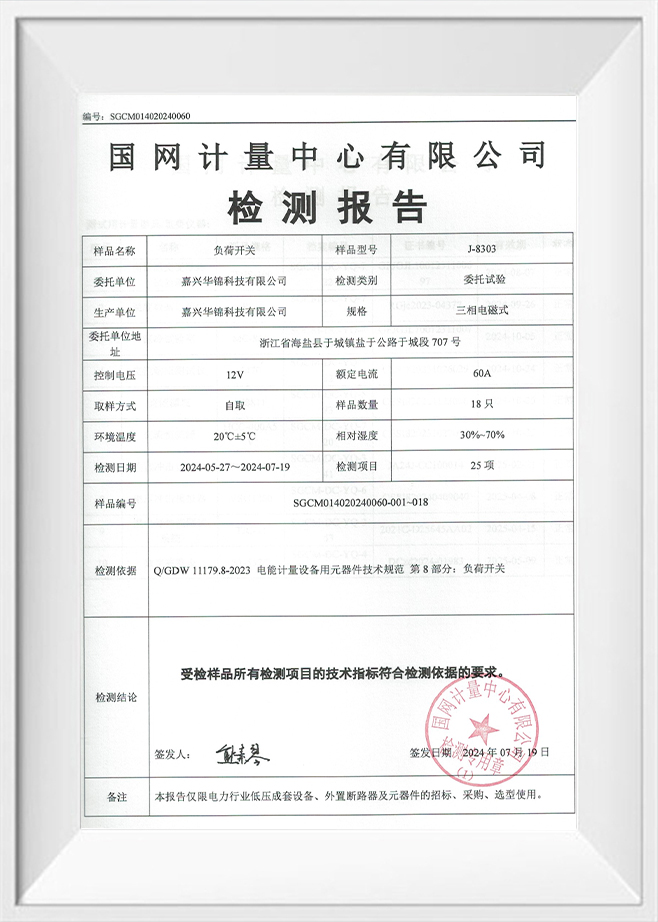
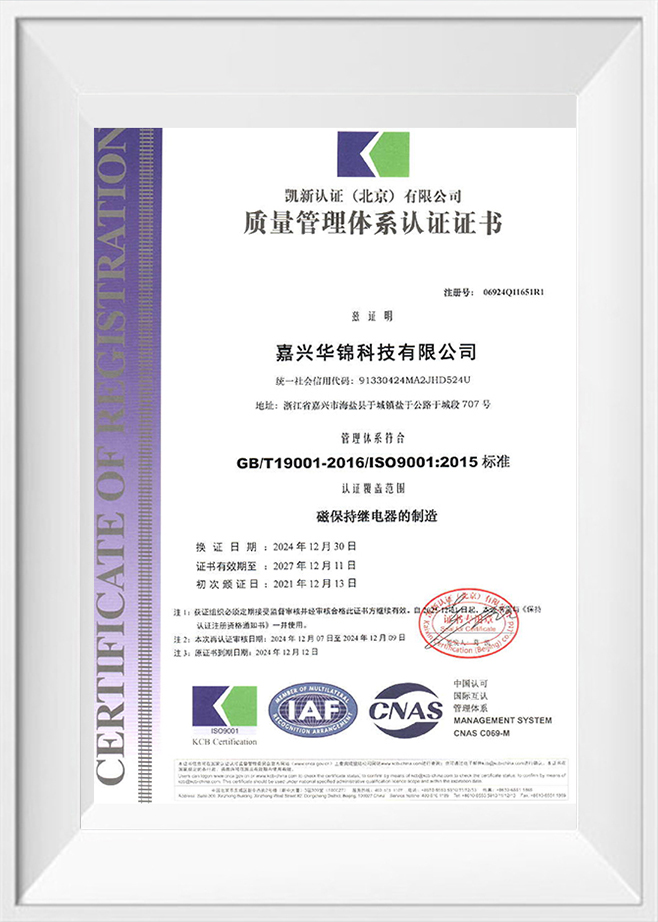
Reliable relay performance depends not only on proper installation but also on manufacturing quality. Huajin Technology Jiaxing Co., Ltd. operates under a strict quality management system and maintains comprehensive production controls throughout the manufacturing process. The company's facilities cover approximately 8000 square meters and employ more than 120 personnel dedicated to relay production and development.
With over thirty types of automation equipment and fully automated production lines, the company achieves daily production volumes exceeding thirty thousand relays. This manufacturing capacity supports large-scale project requirements while ensuring consistent product quality and delivery performance.
The company's relay portfolio includes motor relays, single-phase magnetic latching relays, two-phase magnetic latching relays, and three-phase magnetic latching relays. These products support a broad range of metering and power management applications. Through continuous innovation and independent product development, Huajin Technology Jiaxing Co., Ltd. provides dependable solutions for customers seeking advanced relay technologies and customized monitoring systems.
Conclusion
Wiring multiple CTs to a relay system requires careful planning, proper channel allocation, and strict attention to polarity and installation practices. Whether using standard multi-channel devices, high-density monitoring platforms, or customized automation solutions, correct CT integration is essential for obtaining accurate and reliable current measurements.
A well-designed multi circuit meter relay provides centralized monitoring, improved operational visibility, and efficient management of multiple electrical circuits. By combining quality relay technology, structured installation methods, and strong customization capabilities, organizations can build robust metering systems that support both present requirements and future expansion.
Frequently Asked Questions
Q1: Why should multiple CTs be connected to a single multi circuit meter relay?
Using a single relay platform allows centralized monitoring of multiple circuits, reducing equipment count, simplifying wiring management, and improving maintenance efficiency.
Q2: What is the main difference between standard and high-density relay categories?
Standard solutions focus on straightforward monitoring with fewer channels, while high-density systems support a significantly larger number of circuits within a compact installation footprint.
Q3: Can customized relay solutions support unique project requirements?
Yes. Customized relay systems can be tailored for specific channel counts, communication requirements, cabinet layouts, and automation integration needs.
Q4: What company capabilities support customized relay development?
Huajin Technology Jiaxing Co., Ltd. offers independent relay design, dedicated research and development resources, advanced automation equipment, patent-backed technologies, and extensive customization experience across a wide range of metering applications.
Q5: What installation mistake most commonly affects CT measurement accuracy?
Incorrect CT polarity and channel misidentification are among the most common issues. Proper labeling, documentation, and commissioning tests help prevent these problems and ensure accurate monitoring results.