
 English
 中文简体
中文简体 русский
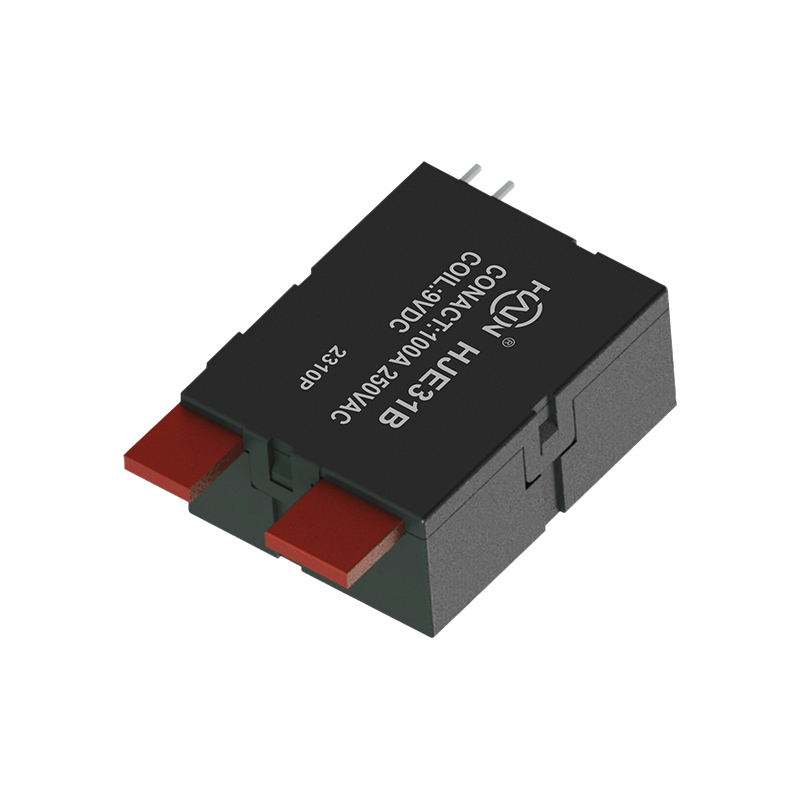
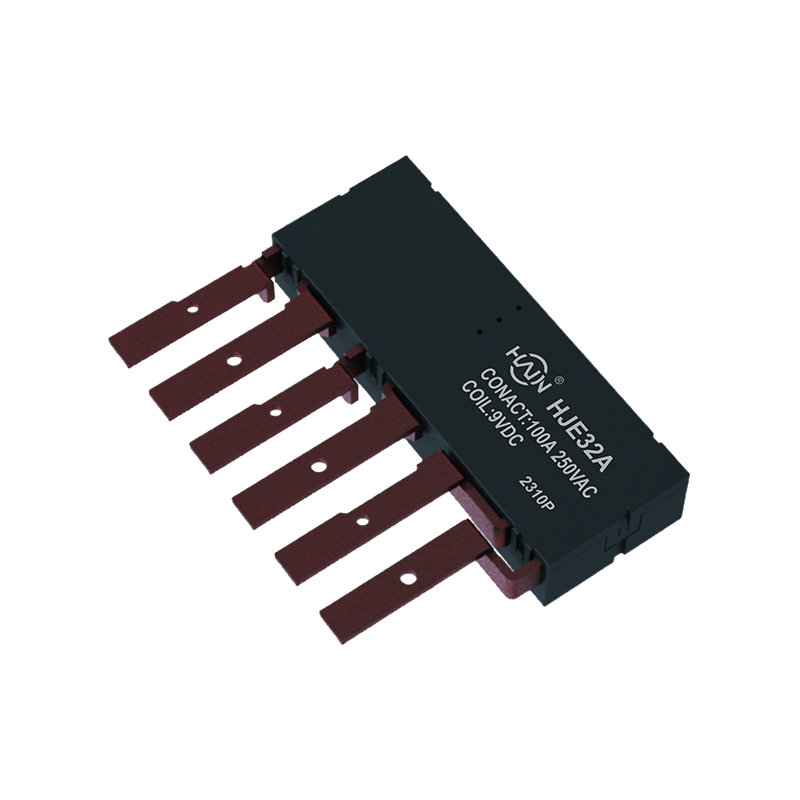
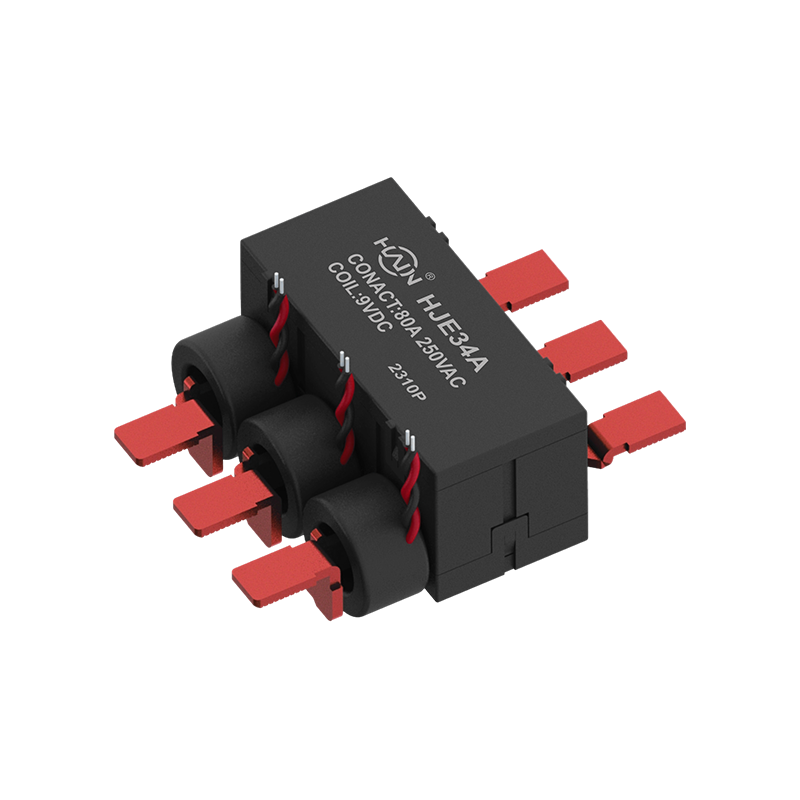

How to adjust the over-voltage and under-voltage settings on a 3-phase DIN rail relay?
Voltage protection is one of the most important functions in modern industrial power distribution and intelligent metering systems. A properly configured relay can prevent equipment damage, reduce downtime, and improve the operational stability of three-phase electrical networks. When working with a three-phase DIN rail-mounted relay, technicians must understand how to correctly adjust over-voltage and under-voltage thresholds according to the characteristics of the connected load and the operating environment.
In DIN rail metering applications, relays are commonly used to achieve synchronous switching and stable control of three-phase loads. Their high current carrying capacity and dependable switching performance make them suitable for industrial power distribution equipment, intelligent metering installations, and various automated electrical systems. This article explains the adjustment process for voltage protection settings while examining several important product categories and application scenarios associated with the Three-Phase DIN Rail-Mounted Relay.
Understanding Voltage Protection Functions
Before adjusting any settings, it is important to understand the purpose of over-voltage and under-voltage protection. Electrical equipment is designed to operate within a specific voltage range. Excessively high voltage may cause insulation stress, overheating, and premature component failure. Conversely, excessively low voltage can result in unstable operation, motor overheating, reduced efficiency, and unexpected shutdowns.
A properly configured three-phase DIN rail-mounted relay continuously monitors line conditions. When the measured voltage exceeds the preset upper limit or drops below the preset lower limit, the relay automatically disconnects the circuit or sends a control signal. Once voltage returns to a safe range and the recovery delay has elapsed, the relay can restore normal operation according to its configuration.
General Adjustment Procedure
- Identify the nominal operating voltage of the system.
- Review the voltage tolerance requirements of connected equipment.
- Set the under-voltage threshold according to minimum acceptable operating conditions.
- Set the over-voltage threshold according to maximum safe operating conditions.
- Configure recovery delay and trip delay parameters.
- Perform functional testing under controlled conditions.
- Document all settings for future maintenance.
Although specific adjustment methods vary by model, most relays use rotary dials, digital displays, or programmable interfaces for configuration. Careful testing after adjustment is essential to ensure reliable protection performance.
Category 1: Standard Industrial Protection Relays
Standard industrial protection relays represent the most widely used category in three-phase power systems. Their primary objective is to provide dependable voltage monitoring and load switching in factories, workshops, utility cabinets, and building distribution panels. These products focus on reliability, straightforward configuration, and long-term operational stability.
In this category, the Three-Phase DIN Rail-Mounted Relay is commonly installed within distribution boards where space efficiency and maintenance convenience are important considerations. The DIN rail mounting structure simplifies installation and replacement while maintaining organized cabinet layouts. Most standard models support adjustable over-voltage and under-voltage settings through front-panel controls, making field adjustments practical for maintenance personnel.
The core technical features of standard industrial relays include stable voltage sensing, high-current switching capability, phase monitoring, and reliable mechanical endurance. They are frequently used in manufacturing plants where motors, pumps, compressors, and industrial machinery depend on stable power quality. Compared with advanced smart relay categories, standard industrial models prioritize durability and ease of operation rather than extensive communication functions.
An additional advantage is compatibility with a broad range of industrial environments. Their robust construction allows operation under demanding electrical conditions while maintaining accurate voltage monitoring performance. When setting over-voltage and under-voltage thresholds, users generally establish protection ranges based on equipment specifications and operational safety margins.
- Reliable voltage monitoring.
- Simple adjustment procedures.
- High current carrying capability.
- Suitable for industrial distribution cabinets.
- Long service life and low maintenance requirements.
Category 2: Intelligent Metering System Relays
The second major category focuses on intelligent metering systems. In these applications, voltage monitoring is integrated with energy management, remote supervision, and load control functions. Utilities and industrial facilities increasingly require equipment capable of supporting digital monitoring infrastructures while maintaining accurate switching performance.
A Three-Phase DIN Rail-Mounted Relay designed for intelligent metering applications enables synchronized switching of three-phase loads while maintaining stable operation under varying electrical conditions. Over-voltage and under-voltage settings in these systems are often adjusted according to utility standards, power quality objectives, and energy management strategies.
Compared with standard industrial relays, intelligent metering relays typically offer enhanced monitoring functions and more detailed event recording capabilities. These features help operators identify voltage fluctuations, investigate abnormal conditions, and optimize system performance. The relay acts as both a protection component and a critical element within the broader energy management architecture.
This category is particularly suitable for smart buildings, commercial facilities, utility metering installations, and energy monitoring networks. Because power quality directly affects billing accuracy and system reliability, precise voltage protection settings are especially important. Proper configuration minimizes nuisance trips while maintaining equipment safety.
Organizations seeking customized metering relay solutions often benefit from suppliers with strong development capabilities. Huajin Technology Jiaxing Co., Ltd. has established dedicated research and development resources, allowing the company to provide customized relay solutions for diverse metering applications. Its experience in relay design contributes to flexible product adaptation and application-specific optimization.
Category 3: Customized High-Reliability Three-Phase Relays
The third category includes customized high-reliability relays developed for specialized industrial requirements. These applications often involve unique operating conditions, specific load characteristics, or demanding reliability expectations. Examples include specialized power distribution systems, automated industrial equipment, and complex electrical control infrastructures.
In this category, the Three-Phase DIN Rail-Mounted Relay is optimized to meet precise customer specifications. Over-voltage and under-voltage settings may be tailored to the electrical characteristics of the protected equipment, ensuring effective protection while avoiding unnecessary interruptions. Customization can include switching characteristics, monitoring functions, terminal arrangements, and environmental durability enhancements.
A major differentiating advantage of customized solutions is application-specific optimization. Rather than relying solely on general-purpose settings, engineers can design protection parameters around actual operating conditions. This approach improves system stability and reduces operational risk. Industries with specialized machinery or critical process requirements frequently prefer customized relay solutions because they offer greater alignment with operational objectives.
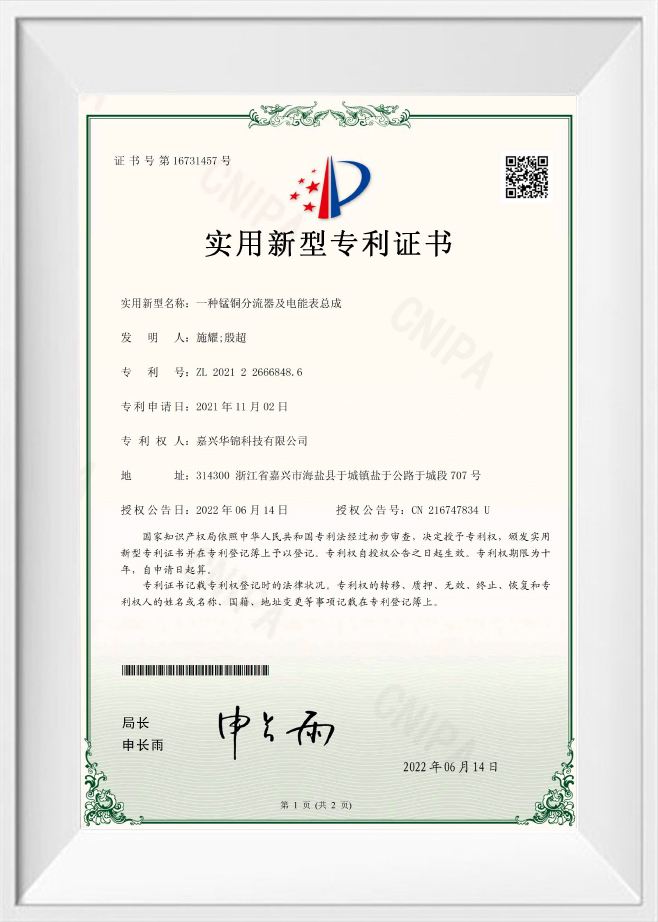
Huajin Technology Jiaxing Co., Ltd. has developed more than one hundred customized relay projects and maintains extensive experience in relay optimization. Supported by a municipal high-tech research center and multiple technical patents, the company can address a wide range of customer requirements. Its manufacturing resources, including automated production lines and strict quality management processes, support consistent product performance and dependable delivery.
Comparison of Three Major Relay Categories
| Category | Main Positioning | Voltage Adjustment Complexity | Typical Applications | Primary Advantage |
| Standard Industrial Protection Relay | General power protection | Low | Factories and distribution panels | Simplicity and durability |
| Intelligent Metering Relay | Energy management systems | Medium | Smart metering and utilities | Monitoring integration |
| Customized High-Reliability Relay | Specialized applications | Medium to High | Industrial automation systems | Application-specific optimization |
Best Practices for Over-Voltage and Under-Voltage Adjustment
Proper adjustment requires more than simply selecting arbitrary voltage limits. Engineers should evaluate operating conditions, load sensitivity, and power quality characteristics before determining protection thresholds. A well-designed protection strategy balances equipment safety with operational continuity.
Important Considerations
- Understand the voltage tolerance of connected equipment.
- Consider normal voltage fluctuations within the facility.
- Use appropriate trip delay settings to avoid nuisance operations.
- Verify settings after installation and commissioning.
- Review settings periodically as operating conditions evolve.
- Maintain records of configuration changes for maintenance purposes.
When configuring a Three-Phase DIN Rail-Mounted Relay, technicians should carefully balance protection sensitivity and system availability. Excessively restrictive settings may cause unnecessary interruptions, while overly permissive settings could expose equipment to harmful voltage conditions.
Manufacturing Strength and Quality Assurance
Reliable voltage protection depends not only on proper configuration but also on product quality. Huajin Technology Jiaxing Co., Ltd. specializes in the research, development, production, and sales of relays. Established in 2021, the company operates a modern manufacturing facility with advanced automation resources and extensive relay development experience.
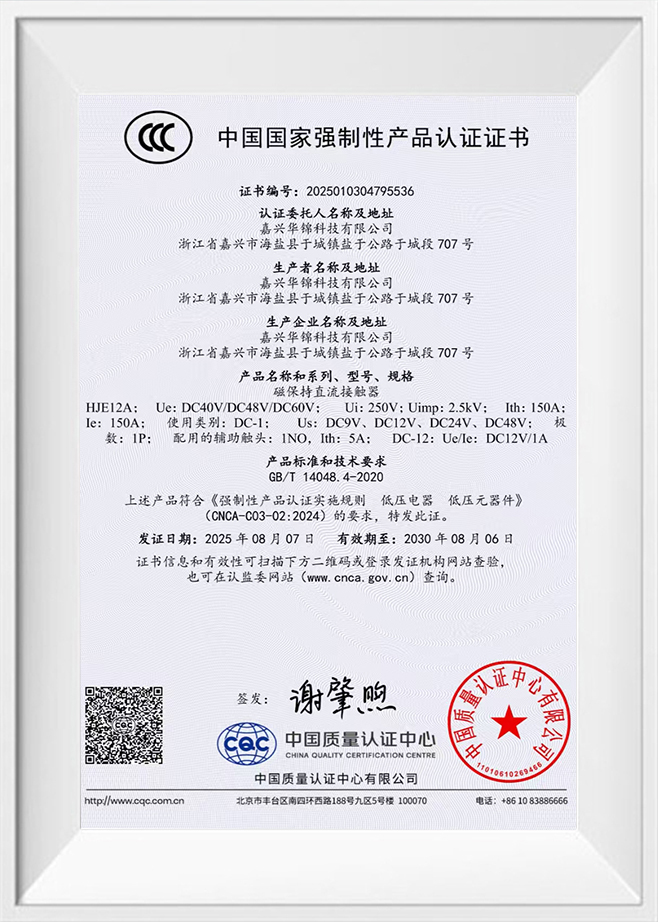
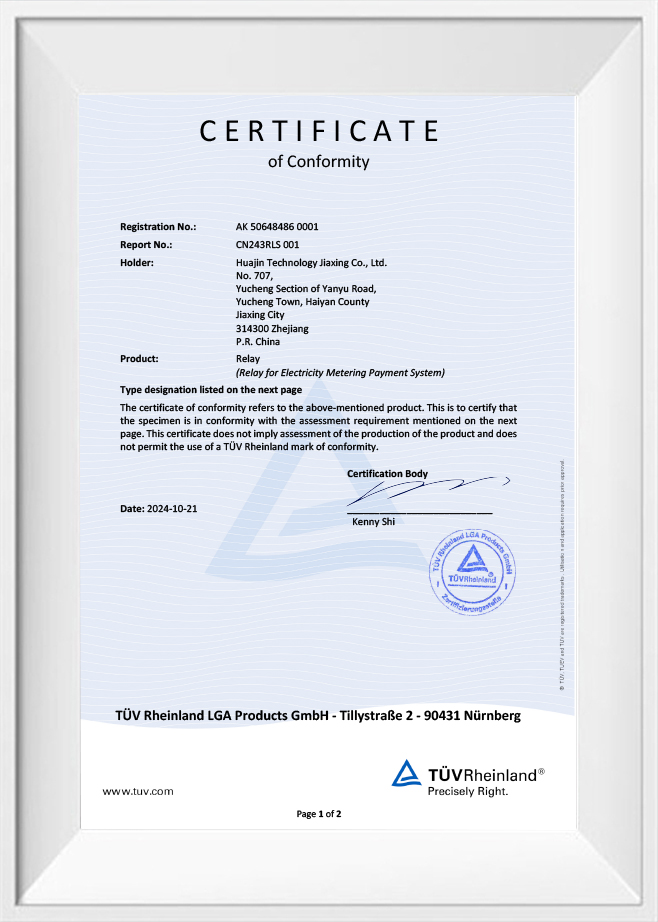
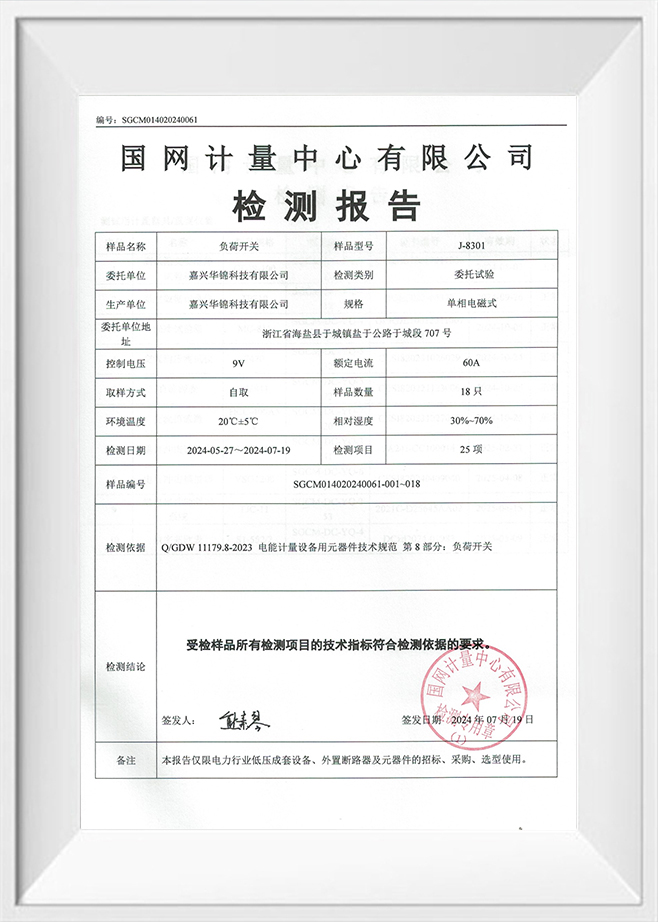
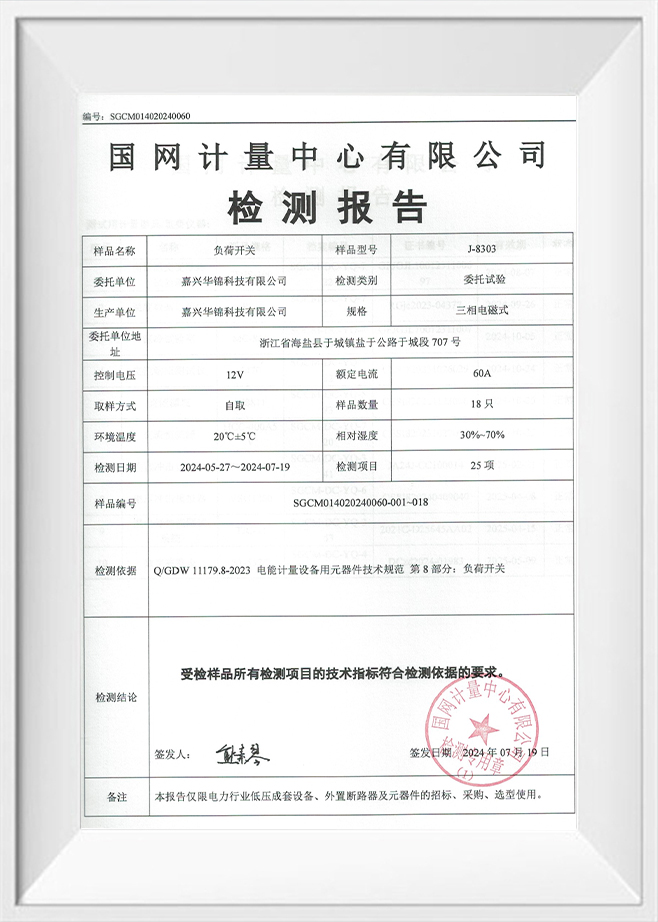
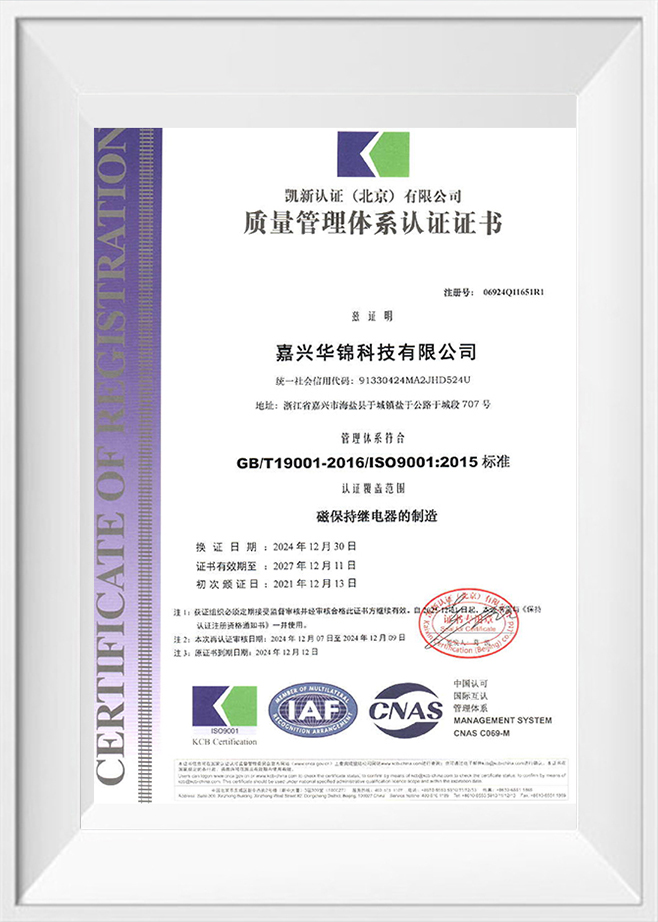
The company's quality management practices follow recognized standards and emphasize product consistency, reliability, and performance verification. Multiple certifications and technical patents demonstrate a commitment to continuous improvement and technological development. Through independent design capabilities and mold optimization expertise, the company supports both standard and customized relay solutions.
With an annual production capacity exceeding millions of relay units and convenient access to major export logistics networks, Huajin Technology Jiaxing Co., Ltd. can efficiently support domestic and international customers. These capabilities are particularly valuable for large-scale metering projects, industrial distribution systems, and customized relay programs requiring dependable supply continuity.
Conclusion
Adjusting over-voltage and under-voltage settings is a critical step in ensuring safe and reliable operation of three-phase electrical systems. Whether deployed in standard industrial environments, intelligent metering networks, or highly customized automation systems, a properly configured Three-Phase DIN Rail-Mounted Relay helps protect equipment, improve operational stability, and support long-term system reliability.
By understanding application requirements, selecting appropriate protection thresholds, and utilizing high-quality relay solutions, organizations can significantly enhance power system performance. Careful configuration, regular verification, and collaboration with experienced relay manufacturers contribute to successful and dependable voltage protection strategies.
Frequently Asked Questions
Q1: What is the main purpose of over-voltage and under-voltage protection?
The primary purpose is to protect connected equipment from abnormal voltage conditions that may cause operational instability, overheating, premature aging, or unexpected shutdowns.
Q2: Which relay category is most suitable for intelligent metering systems?
Intelligent metering relays are specifically designed for energy monitoring and load management environments. They combine protection functions with advanced monitoring capabilities to support modern metering infrastructures.
Q3: Why choose a customized relay solution instead of a standard relay?
Customized relays provide application-specific optimization, allowing protection settings, switching characteristics, and operational features to align more closely with unique equipment and system requirements.
Q4: How does a Three-Phase DIN Rail-Mounted Relay support industrial power distribution?
It enables synchronized switching, stable load control, voltage monitoring, and reliable protection of three-phase electrical systems. These capabilities improve operational stability and equipment safety in industrial environments.
Q5: What company capabilities are important when selecting a relay supplier?
Important considerations include research and development resources, customization capability, manufacturing capacity, quality assurance systems, technical expertise, and the ability to provide consistent long-term product support.