



 English
 中文简体
中文简体 русский
NEWS
 Home / News / Industry News / Smart Meter Relay | Energy Meter Relay for Smart Grid Metering Systems Home / News / Industry News / Smart Meter Relay | Energy Meter Relay for Smart Grid Metering Systems
In modern power distribution networks, the Smart Meter Relay has become one of the fundamental switching components used inside electricity metering systems. It manages load connection and disconnection signals, supports automated remote metering, and forms a core part of energy management infrastructure used by utilities, OEM manufacturers, and smart grid integrators. This article explains how the component works, where it is applied, and what technical factors buyers should evaluate before selecting a supplier.
A smart meter relay is a switching device installed inside an electricity meter to control the connection state of the load circuit. Its primary role is to receive control signals from the metering module and translate them into a mechanical or electronic switching action. This allows the meter to interrupt or restore power supply without requiring a technician to visit the site.
Within a smart grid architecture, this relay function sits between the communication module and the load circuit. It is responsible for signal switching and load control, forming the physical link between digital commands and the physical power path. As utilities move toward automated infrastructure, the reliability of this switching stage becomes increasingly important, since it directly affects billing accuracy, safety, and remote operability of the entire metering network.
The relay also supports the basic requirements of remote meter reading and automated energy management, giving grid operators the ability to monitor and adjust supply conditions from a central control system rather than performing manual intervention at each site.
Remote meter control technology has developed rapidly as utilities look to reduce operating costs and improve response times. Instead of dispatching field staff for every connection or disconnection request, a relay integrated into the meter allows these actions to be executed instantly through a communication network.
This shift has been driven by growing demand for automated data collection systems, where meters not only report usage but also respond to control commands. The relay plays a direct role in remote power cut and restoration processes, allowing a utility to suspend supply for non-payment or safety reasons and reconnect it once conditions are resolved, all without physical site access.
For large-scale deployments covering thousands or millions of meters, this capability reduces labor costs significantly while improving the speed and consistency of service actions across a distribution network.
Selecting a relay for use inside an energy meter involves several technical considerations beyond basic switching function. Electrical insulation performance is one of the most important factors, since the relay must maintain safe separation between control circuits and load circuits under varying voltage conditions.
Coil power consumption is another key specification. A low power coil design reduces the standby energy draw of the meter itself, which matters at scale when a utility operates a large fleet of connected devices. Mechanical switching life is equally significant, as the relay may be required to perform tens of thousands of operations over its service life without degradation in contact performance.
Arc suppression and interference resistance round out the core requirements. Because the relay switches load current directly, contact arcing during disconnection can shorten component life if not properly managed through material selection and mechanical design.
Residential smart meter systems represent the largest application volume, where the relay manages routine service connection and disconnection for individual households. In industrial settings, the same switching principle is applied within energy monitoring systems that track and control power usage across multiple circuits or facility zones.
Prepaid electricity systems rely heavily on relay switching, since supply must be automatically interrupted once a customer's balance is depleted and restored immediately after a new payment is registered. Beyond individual meters, relays also contribute to broader smart grid automation systems, where coordinated switching across many points in the network supports load balancing and fault isolation.
Meters are frequently installed outdoors or in unconditioned enclosures, so the relay must operate reliably across a wide temperature range without shifts in switching behavior. Contact material selection affects long-term conductive stability, particularly under repeated switching cycles where oxidation or contact wear can gradually increase resistance.
Mechanical durability against vibration and shock is also relevant, since meters can be mounted in locations subject to physical disturbance from nearby equipment or environmental conditions. Finally, long-term operational stability and resistance to false triggering are essential, as an unintended switching event can interrupt service unnecessarily or create safety concerns for connected equipment.
As smart grid automation continues to expand, relay technology is evolving alongside broader IoT integration in energy management systems. Meters are increasingly expected to communicate continuously with central platforms, which places additional demands on switching components to operate reliably within connected, always-on systems.
Miniaturization and reduced power consumption remain ongoing design directions, allowing manufacturers to fit switching components into smaller meter enclosures while lowering the overall energy footprint of the device. At the same time, safety standards continue to rise, pushing relay design toward higher insulation ratings and more precise remote control capability to meet the requirements of next generation energy systems.
| Technical factor | Design consideration | Impact on system |
| Coil power consumption | Low power coil structure | Reduces standby energy use across large meter fleets |
| Mechanical life | Long life switching mechanism | Supports extended service intervals without replacement |
| Arc resistance | Anti arc contact design | Maintains contact performance under repeated load switching |
| Insulation rating | High voltage isolation structure | Ensures electrical safety between control and load circuits |
| Environmental tolerance | Wide temperature operating range | Maintains stable switching in outdoor installations |
The smart meter relay remains a core component within energy metering systems, supporting the switching functions that make remote control, prepaid billing, and automated grid management possible. As smart grid infrastructure continues to expand, the reliability, power efficiency, and switching life of this component directly influence the stability and efficiency of the broader energy management system. For buyers and integrators evaluating meter components, understanding these technical requirements provides a clearer basis for supplier selection and long-term system planning.
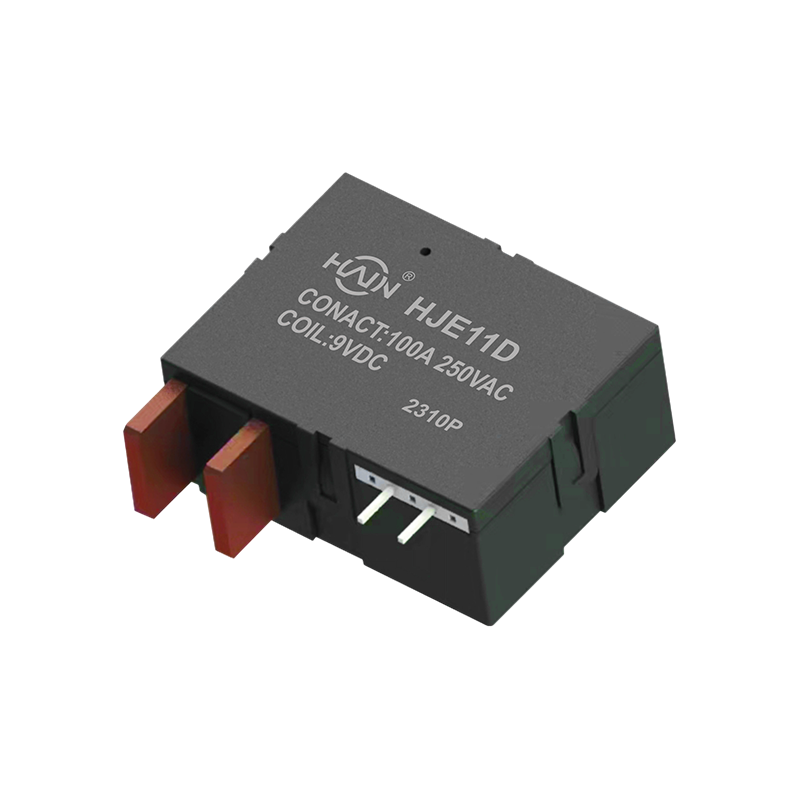
Redefining the DIN rail meter, one chip solves two major problems! The HJE11D-100A is a high-current relay with metering function designed specifically for 4P DIN rail energy meters. It aims to solve ...
See Details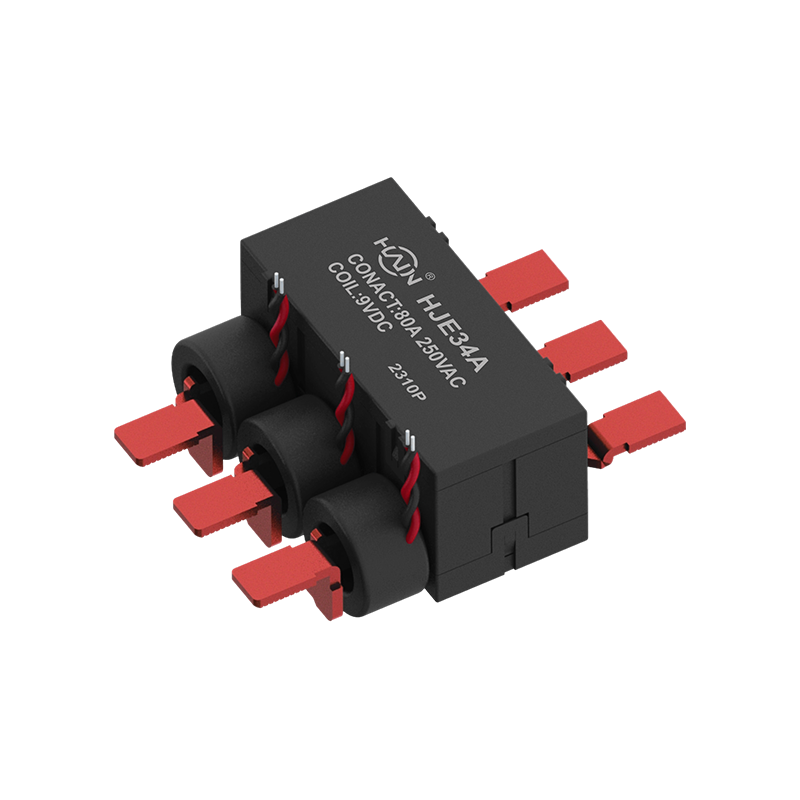
A Revolution in Integrated Three-Phase Power Control This is a highly integrated 4-pole three-phase rail relay, designed specifically for intelligent control and power distribution protection of three...
See Details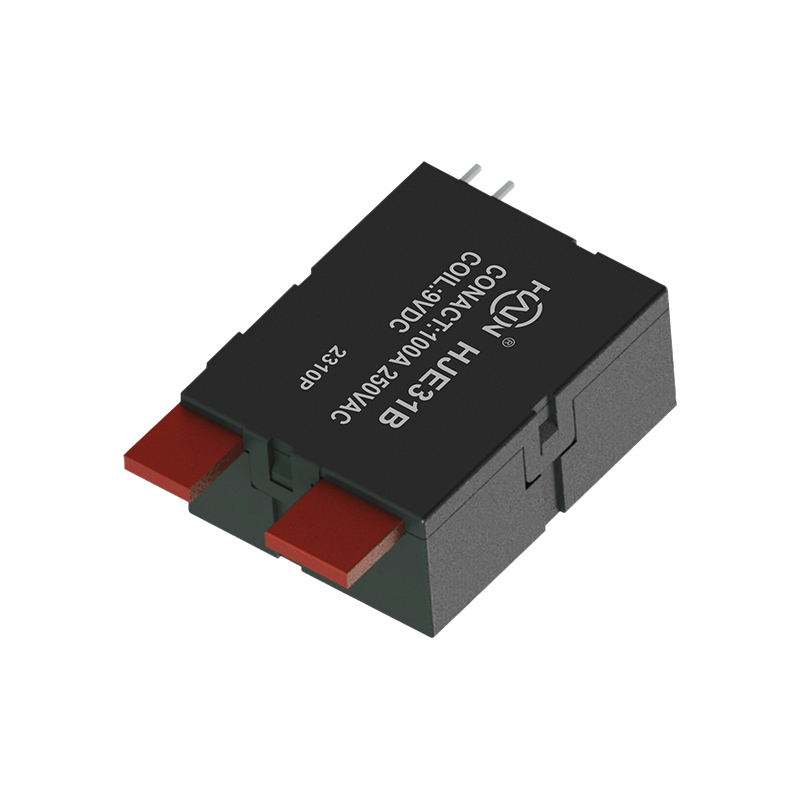
Product Definition: The HJE31B-100A is a split-type 7P DIN rail relay designed specifically for three-phase power systems. It features current monitoring, relay protection, and energy metering functio...
See Details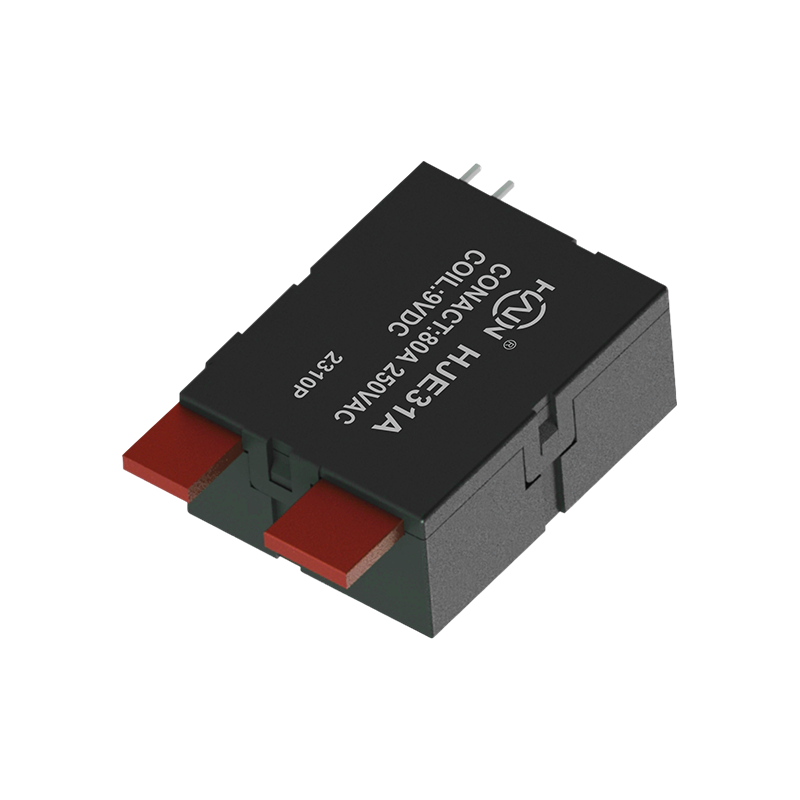
Product Definition: A bottom-in, bottom-out relay specifically designed for 2P DIN rail meters, aiming to improve installation efficiency and system reliability through optimized wiring structure.
See Details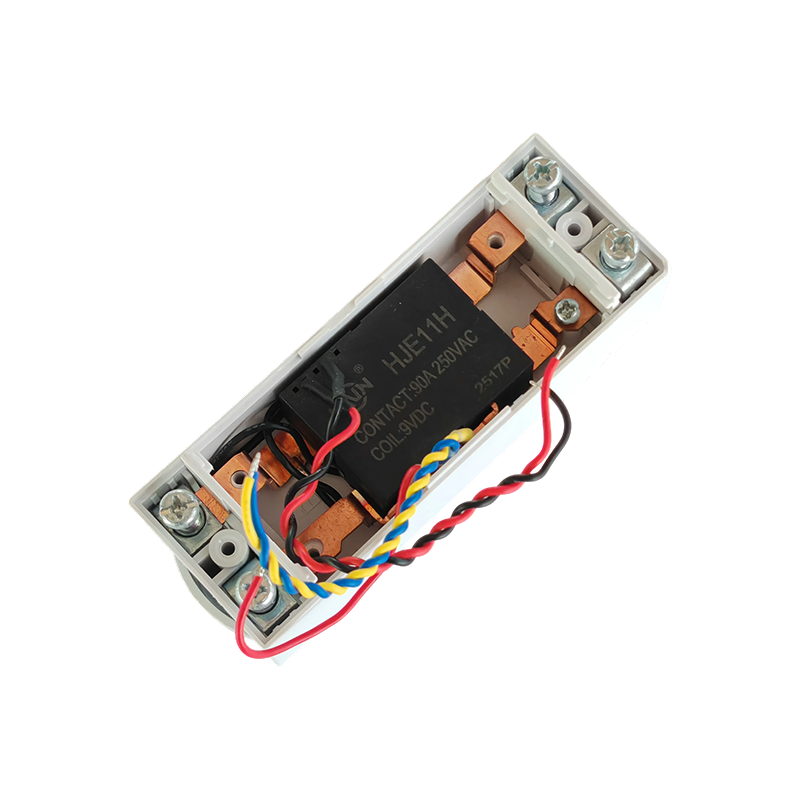
Product Definition:This product is a top-in, bottom-out 2-pole DIN rail relay designed specifically for modern power distribution systems. It integrates a 90A high current carrying capacity, compact s...
See Details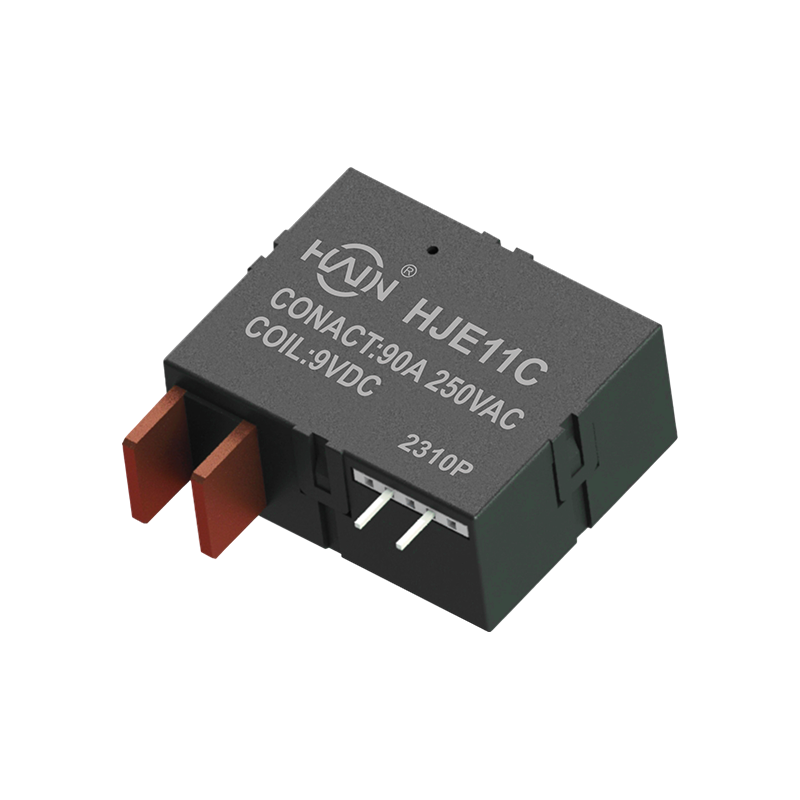
Product Definition: This product is a four-pole DIN rail relay integrating power metering and relay protection functions. Designed specifically for power metering systems, it is widely used in residen...
See Details
 Add.
Add.
|
No. 707, Yanyu Road, Yucheng Town, Haiyan County, Jiaxing City, Zhejiang Province, China
|
 Phone
Phone
|
+86-188-5739-7300
|
 Email.
|
alio@hj-relay.com
|
Copyright @ Huajin Technology Jiaxing Co., Ltd. All rights reserved.
