



 English
 中文简体
中文简体 русский
NEWS
 Home / News / Industry News / How Does an Overvoltage Self-Locking Relay Improve Industrial Voltage Safety? Home / News / Industry News / How Does an Overvoltage Self-Locking Relay Improve Industrial Voltage Safety?
Content
In modern industrial power systems, voltage fluctuations are almost unavoidable. Whether caused by changes in grid load, equipment startup and shutdown, or instability from renewable energy integration, these can lead to momentary overvoltage events. If such abnormal voltages are not controlled promptly, they may result in equipment damage, system malfunctions, or even production line shutdowns.
Against this backdrop, the Overvoltage Self-Locking Relay has gradually become a key component in electrical protection systems. It not only performs conventional overvoltage protection but also, through a unique self-locking mechanism, maintains state and logical linkage control, significantly enhancing system stability and safety.
Compared with the common Overvoltage protection relay, the Overvoltage Self-Locking Relay emphasizes “state locking” and “continuous protection,” making it highly valuable in industrial automation, power distribution, and intelligent control systems.
To understand the advantages of Overvoltage Self-Locking Relay, we must start with its basic working mechanism.
The core of this type of relay consists of three parts: the voltage detection unit, the control trigger unit, and the self-locking holding unit. When system voltage is within the normal range, the relay remains closed. Once the voltage exceeds the set threshold, the control circuit immediately triggers action, changing the output state and maintaining it through the self-locking mechanism, even if the voltage returns to normal.
This design ensures that the relay does not automatically reset during a transient voltage recovery, which guarantees that the system only resumes operation after manual or control signal confirmation.
The Self-holding relay mechanism is the core innovation of the Overvoltage Self-Locking Relay. Essentially, it uses internal contact feedback to form a closed loop, keeping the relay in its triggered state.
This mechanism offers two key benefits:
For example, in an industrial production line, if equipment stops due to overvoltage, the self-locking relay ensures that the equipment does not restart immediately when voltage briefly recovers, preventing potential safety accidents.
To better understand its value, we can compare the Overvoltage Self-Locking Relay with traditional Overvoltage protection relays.
| Comparison Aspect | Traditional Overvoltage Protection Relay | Overvoltage Self-Locking Relay |
|---|---|---|
| State Holding Ability | No, automatic recovery | Yes, self-lock maintained |
| Control Logic | Single trigger | Trigger + locking mechanism |
| Safety Level | Medium | High |
| Applicable Scenario | General electrical protection | Industrial automation and critical systems |
| Manual Intervention Requirement | Low | Medium (reset confirmation required) |
As shown, the Overvoltage Self-Locking Relay clearly provides higher safety and is especially suitable for systems with continuous operation requirements.
In power systems, safety is always the top priority. The Overvoltage Self-Locking Relay prevents equipment from automatically restarting after abnormal voltage recovery, reducing the risk of malfunctions. In motor control systems, for example, once overvoltage occurs, the self-locking relay maintains an open state until maintenance personnel confirm system safety.
Modern Overvoltage Self-Locking Relays typically use magnetic holding or low-power drive structures, consuming almost no continuous energy in a stable state. This design is ideal for energy-sensitive systems, such as solar power stations or remote control devices.
In complex industrial environments, voltage fluctuations are frequent and unpredictable. The relay allows precise threshold setting and graded response control, improving overall voltage regulation capabilities.
Reducing frequent coil operations lowers contact wear, resulting in longer lifespan and reduced maintenance costs.
In automated production environments, equipment operates continuously and requires high voltage stability. The relay prevents unintended equipment startup or damage due to voltage abnormalities.
Used in distribution cabinets and substations, the relay protects critical circuits and prevents overvoltage from causing cascading faults.
Wind and solar systems have variable output. The relay protects inverters and stabilizes system output.
In building automation, the relay protects elevators, HVAC, and lighting systems, enhancing overall electrical safety.
| System Indicator | Without Self-Locking Relay | With Overvoltage Self-Locking Relay |
|---|---|---|
| Fault Recovery Risk | High | Low |
| Unintended Startup Probability | High | Very Low |
| Equipment Lifespan | Average | Significantly Improved |
| Maintenance Cost | High | Reduced |
| System Stability | Medium | High |
This demonstrates that the relay is not just a protection component but an essential element for system stability.
Choosing the appropriate relay requires considering multiple factors, not just voltage rating. First, the voltage detection range should match actual system fluctuations. A threshold set too low causes false trips, while too high may lose protection effectiveness.
Next is the self-locking method. Some relays use mechanical locking, others electronic logic locking. Each has different response speed and reliability characteristics.
Environmental adaptability is also critical. For high temperature, humidity, or strong electromagnetic interference, industrial-grade anti-interference models are necessary.
Although the relay is highly reliable, proper maintenance remains important. Regularly check contact status and control circuits to ensure the self-locking logic functions correctly. Integrating with voltage monitoring systems helps analyze grid fluctuation patterns.
In large industrial systems, combining the relay with PLC control allows remote reset and status monitoring, enhancing automation levels.
With the development of smart grids and Industry 4.0, Overvoltage Self-Locking Relays are moving toward intelligent designs. Future relays will not just act as switches but as smart nodes with data feedback capabilities. For instance, integrated communication modules can transmit real-time voltage data and allow remote control, making them key elements of intelligent energy management systems.
Low-power consumption and miniaturization are also important trends, enabling widespread application in distributed energy and edge control devices.
Overall, the Overvoltage Self-Locking Relay is more than a simple overvoltage protection device; it integrates protection logic, self-locking mechanisms, and system control capabilities. It uses the Self-holding relay mechanism to provide state retention, enhances safety with Electrical safety relay functions, and plays a key role in Industrial voltage control. Its Low power consumption relay characteristics also make it suitable for modern energy-saving systems.
In the future of power systems and industrial automation, this type of relay will continue to play an increasingly critical role, becoming a fundamental component to ensure stable system operation.
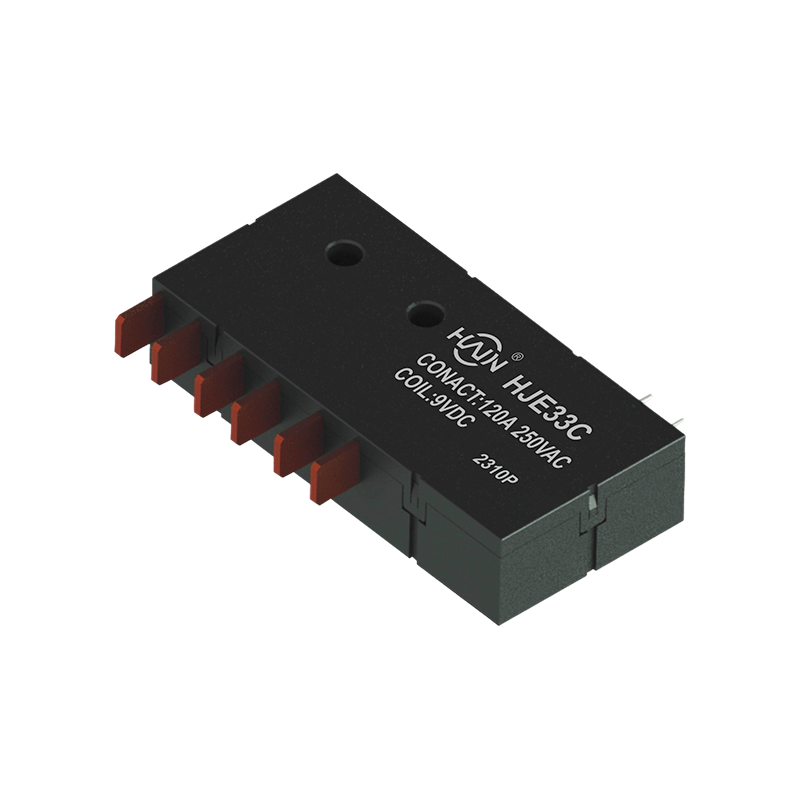
In industrial scenarios requiring reliable control of three-phase high-power loads, this product is a strategic choice for improving system energy efficiency and reliability. It not only meets the hig...
See Details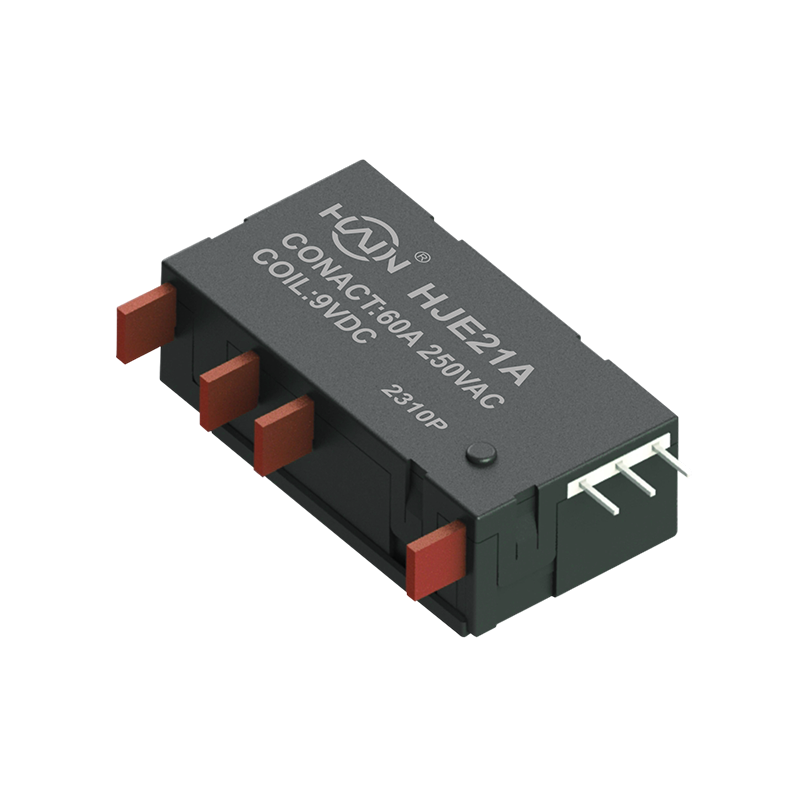
Product Overview: This product is a high-efficiency, energy-saving relay with dual-channel independent control capabilities. Utilizing magnetic latching technology, the product maintains its contact p...
See Details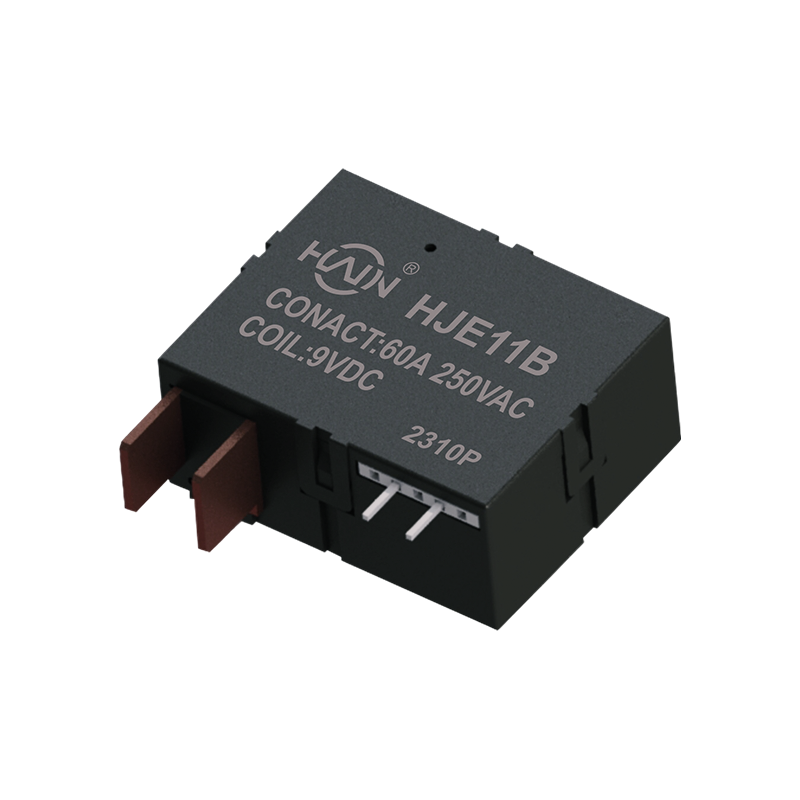
The product adopts a single-phase magnetic latching structure that meets UC2 safety standards. Stable switching between on and off states can be achieved through pulse drive, making it particularly su...
See Details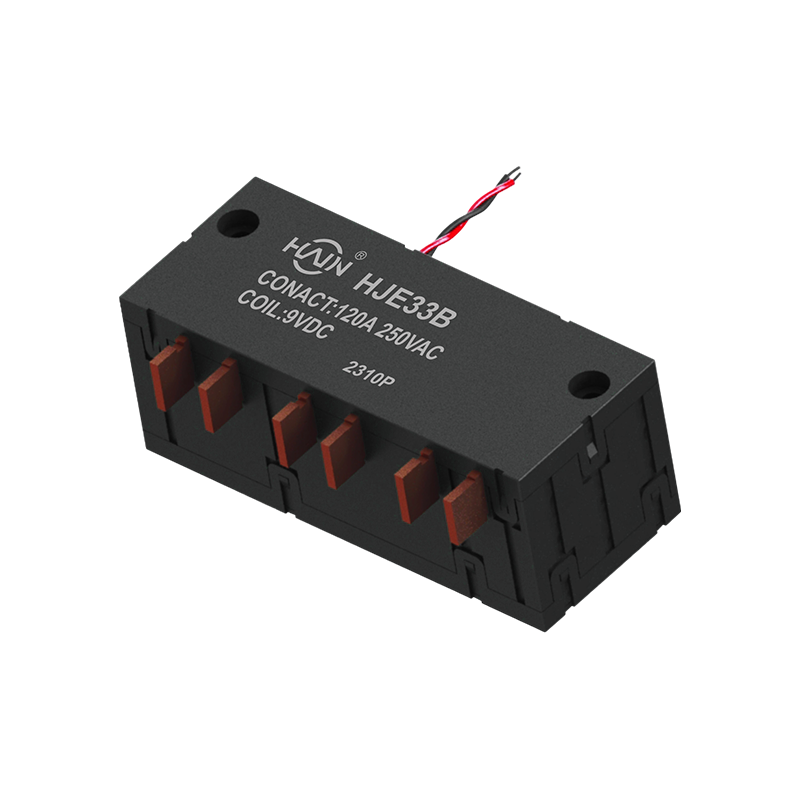
Product Definition: This product is a three-phase magnetic latching relay conforming to the UC3 standard, designed specifically for industrial and energy systems with high power and high reliability r...
See Details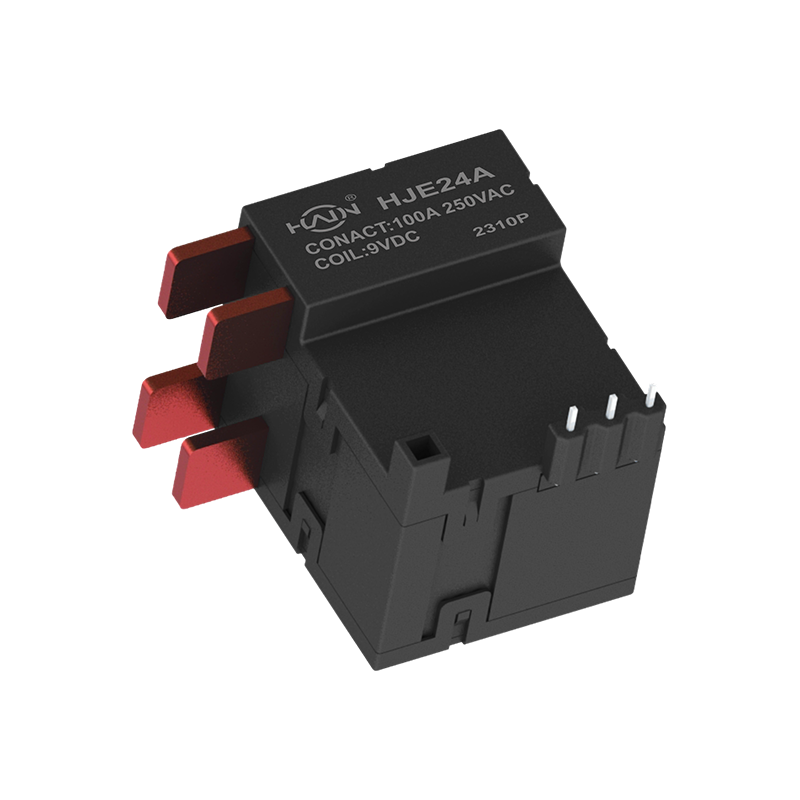
Dual-core drive, designed for demanding power control This is a high-current dual-channel relay compliant with UC3 safety standards, specifically designed for industrial scenarios requiring independen...
See Details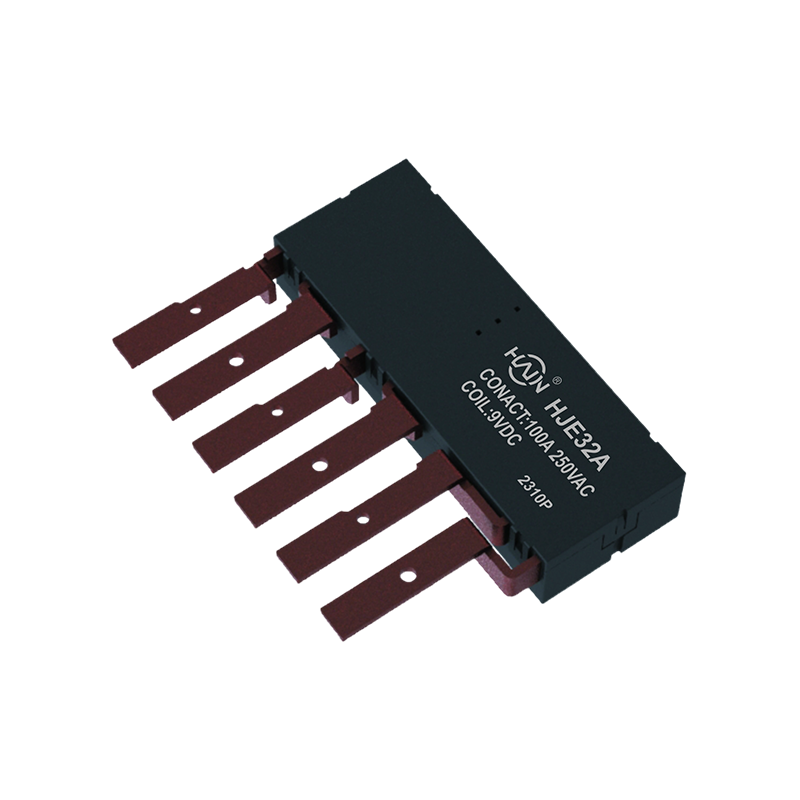
Product Definition: This product is a compact three-phase magnetic latching relay conforming to the UC3 standard, designed specifically for high power density and energy-saving three-phase systems.
See Details
 Add.
Add.
|
No. 707, Yanyu Road, Yucheng Town, Haiyan County, Jiaxing City, Zhejiang Province, China
|
 Phone
Phone
|
+86-188-5739-7300
|
 Email.
|
alio@hj-relay.com
|
Copyright @ Huajin Technology Jiaxing Co., Ltd. All rights reserved.
