



 English
 中文简体
中文简体 русский
NEWS
 Home / News / Industry News / DIN Rail Meter Relay Types and Selection: A Spec-by-Spec Guide for Engineers Home / News / Industry News / DIN Rail Meter Relay Types and Selection: A Spec-by-Spec Guide for Engineers
When you design a compact DIN rail meter, the load-switching relay is easy to postpone until after the PCB layout is done. In practice, that relay sets the available mechanical space, the heat rise inside the meter, and the amount of self-consumption drawn from the metering supply. The earlier you define the relay format, the fewer layout surprises you will face later. A single-phase 4P meter with a 60 A load, for example, can be solved cleanly with a magnetic latching relay that includes a shunt CT, but only if the relay footprint and terminal positions are known at the start.
A DIN rail meter relay is a magnetic latching relay designed to be assembled inside a DIN rail mounted meter, rather than mounted on a control cabinet rail. It disconnects and reconnects the load current path in the meter, and it stays in position without continuous coil power. The relay only draws current during the brief pulse that changes its state; permanent magnets hold the contacts closed or open afterwards.
This operating principle creates several practical advantages for meter designers:
The last point matters more in modern meters, where large load currents already create magnetic fields. A continuously energized coil would add another disturbance source near the metering path.
Industrial DIN rail relays are made to clip onto standard 35 mm rails in control cabinets, stay energized while closed, and generally switch low currents. A DIN rail meter relay is different: it is mounted on the meter PCB or busbar, handles load currents from 60 A to 150 A, and is optimized for the 2P, 4P or 7P enclosure format of the meter. Confusing these two product families will lead to the wrong footprint, the wrong coil drive circuit and the wrong thermal performance.
Most meters can be covered by four practical relay categories. The table below summarizes typical ratings and formats before we look at each type in more detail.
| Relay Type | Meter Format | Typical Current Range | Common Configuration |
|---|---|---|---|
| Single-phase | 2P or 4P | 60 A to 120 A | Latching relay with shunt or shunt CT |
| Dual-circuit | 2P dual channel | 60 A to 100 A | One module, two independent load channels |
| Three-phase | 4P or 7P | 80 A to 120 A | Split-type or integrated shunt CT |
| Multi-circuit | Multi-user meter | 60 A to 100 A | Multiple split-type relays in one meter |
Single-phase meters use one relay to switch the live conductor. In a 4P housing, the relay is often paired with a shunt CT, so the current sensing element and the switching contacts are integrated into one component. A representative option is the 60 A single-phase latching relay with shunt CT for 4P DIN rail meters. For a narrower 2P meter, the relay usually integrates a shunt instead, because there is not enough space for a separate current transformer and a bulky relay beside each other.
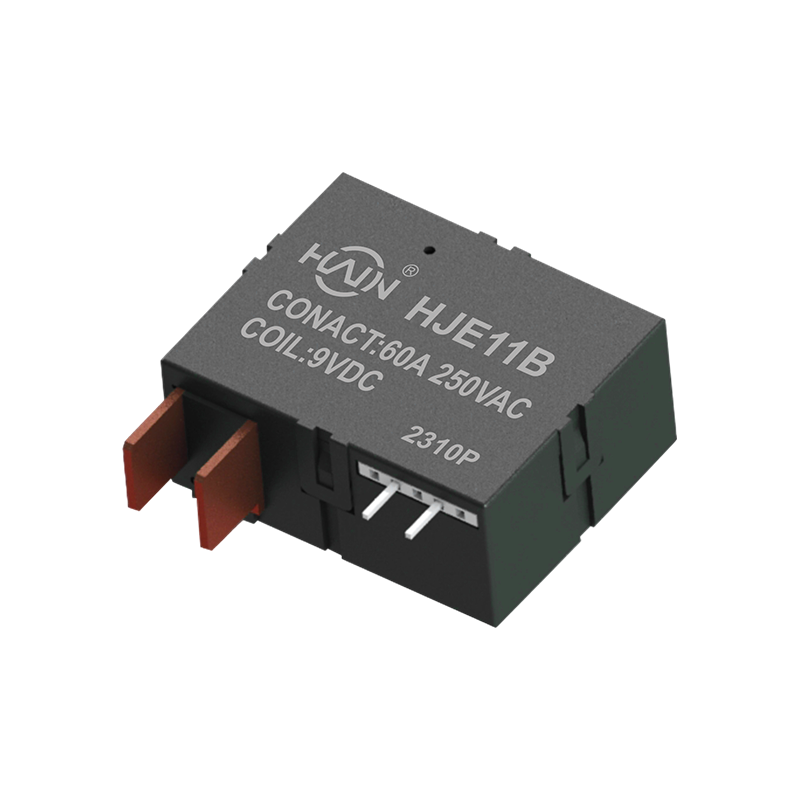 Wholesale HJE11B-60A Latching Relay with shunt/CT for 4P DIN Rail Meter SupplierHuajin Technology Jiaxing Co., Ltd. is China wholesale HJE11B-60A Latching Relay with shunt/CT for 4P DIN Rail Meter suppliers and OEM/OD...View Product →
A dual-circuit meter measures two separate loads inside one enclosure. Using two independent relays doubles the board space unless you use a single relay module with two switching channels. Designs that need a compact dual-channel module often specify the UC3-compliant dual-channel 100 A latching relay, which keeps the footprint small while still supporting a higher load current.
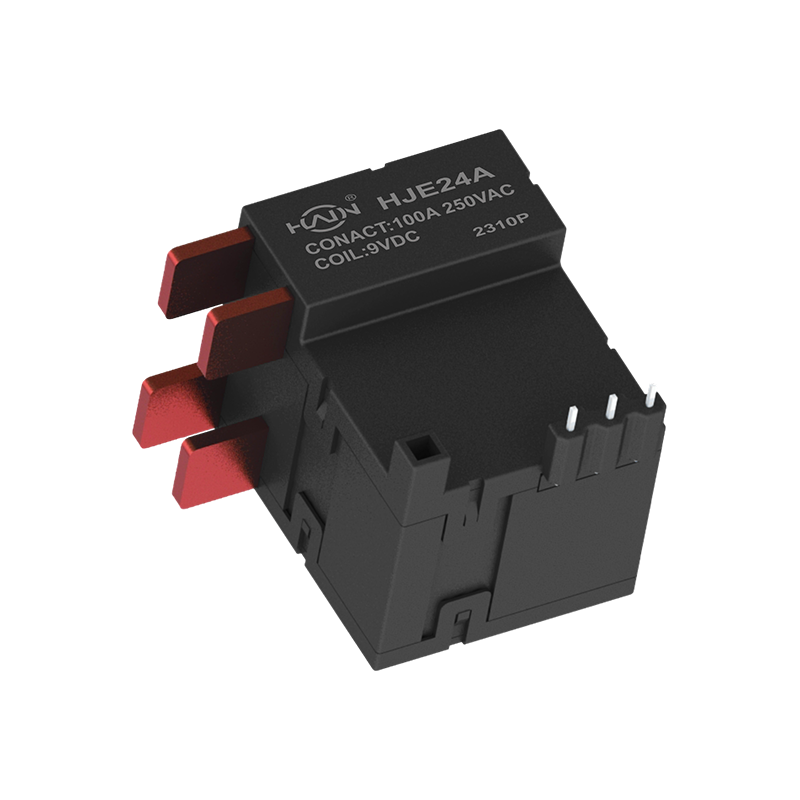 Wholesale HJE24A-100A Compliant with UC3 Dual Channel Large Current Latching RelHuajin Technology Jiaxing Co., Ltd. is China wholesale HJE24A-100A Compliant with UC3 Dual Channel Large Current Latching Relay suppliers...View Product →
Three-phase DIN rail meters are typically built in 4P or 7P formats. In a 7P meter, the three phase paths run close together, which increases both mechanical stress and electromagnetic interaction. A split-type relay reduces mechanical binding by separating the drive mechanism from the main contact path. For these designs, a 100 A split-type latching relay for 7P DIN rail meters is a practical starting point because it handles the thermal and mechanical loads of a 7P layout without requiring one oversized component.
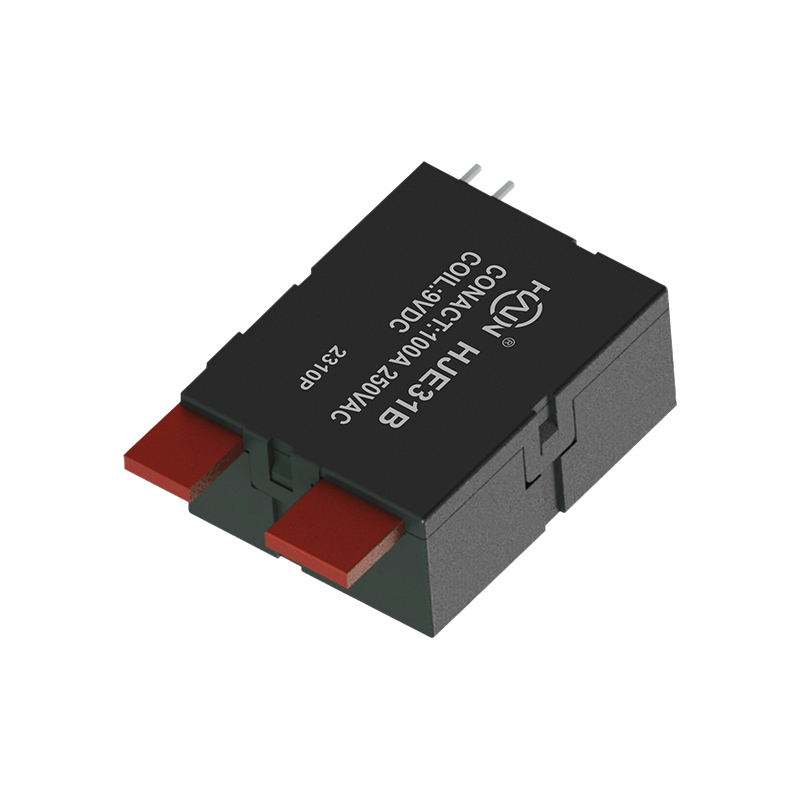 Wholesale HJE31B-100A Split-Type Latching Relay for 7P DIN Rail Meter Suppliers,Huajin Technology Jiaxing Co., Ltd. is China wholesale HJE31B-100A Split-Type Latching Relay for 7P DIN Rail Meter suppliers and OEM/ODM ...View Product →
Multi-user residential meters need independent load switching for each user circuit. Treating each circuit as a separate load channel inside one meter is usually better than using one large contactor, because a failed contactor would disconnect all users. Multiple compact split-type relays arranged in a row give each circuit its own protection and make the meter easier to repair.
Data sheets show nominal values, but the choice for a DIN rail meter relay depends on whether those values hold under real operating conditions. Focus on four areas before you finalize the relay.
Most DIN rail meter relays are designed for 250 VAC and current ratings of 60 A, 80 A, 90 A, 100 A, 120 A or 150 A. The relay rating should match the maximum continuous meter current without aggressive derating at the expected ambient temperature. Undersizing leads to contact welding and premature failure; oversizing adds cost and consumes enclosure space. A 60 A meter rarely needs a 120 A relay, while a 150 A DC charging meter requires a completely different contact design.
The coil drive is defined by pulse width, pulse voltage and polarity. If the meter controller sends a pulse that is too narrow, the relay may only partially move, causing unstable contact resistance. Confirm the minimum pulse width and the acceptable voltage range with the relay supplier, then design the controller with enough margin for temperature drift and capacitor tolerance.
Many meter relay models are labeled as UC2-compliant, UC3-compliant or compliant with the 25th Edition State Grid specification. These standards cover thermal endurance, switching reliability and test sequences for utility metering applications. When your customer is a grid operator, select a relay that explicitly carries the required standard rather than relying on a generic product family description.
The relay format controls where the current path goes and how the metering signal arrives at the measurement IC. Wiring is not just a connection task; it affects immunity and thermal performance.
In a 2P meter, space is tight. A relay with an integrated shunt keeps the voltage and current sense paths short, reducing loop area for magnetic interference. Keep the shunt sense traces close together and route them as a differential pair to avoid adding noise to the measurement.
When the relay includes a shunt CT, the secondary winding should stay connected to the metering input through a short, fixed path. Do not leave the CT secondary open during commissioning, and avoid running the secondary wire parallel to the live conductor for a long distance. The integrated assembly of the 4P DIN rail relay with shunt CT reduces that risk by minimizing wiring between the CT and the relay terminals.
Wholesale HJE11B-60A Latching Relay with shunt/CT for 4P DIN Rail Meter SupplierHuajin Technology Jiaxing Co., Ltd. is China wholesale HJE11B-60A Latching Relay with shunt/CT for 4P DIN Rail Meter suppliers and OEM/OD...View Product →
In 7P meters, the relay layout should follow the phase busbar order. Split-type relays allow the power section to be positioned near the terminals while the drive section stays away from high-current areas. This separation also makes the PCB layout more predictable because the switching contacts do not have to share a single crowded area.
Buying a DIN rail meter relay is not the same as ordering a standard relay from a distributor. The relay becomes part of a metering assembly, so the supplier must understand meter layouts and testing requirements.
For a manufacturer that produces over ten million magnetic latching relays per year, validation data and customization support are usually available at the engineering level. That kind of support matters more than choosing a relay from a generic catalog, because meter makers need to adjust terminal types, mounting heights and shunt configurations without changing the whole PCB.
Start with the meter enclosure format, then select the relay current class, coil drive and compliance standard. Whether you need single-phase, dual-channel, three-phase or multi-circuit switching, the mechanical form factor of the relay is the first decision because it directly determines the rest of the layout. Compare the complete Huajin DIN rail meter relay lineup against your current meter specifications to identify the shortest path from prototype to production.
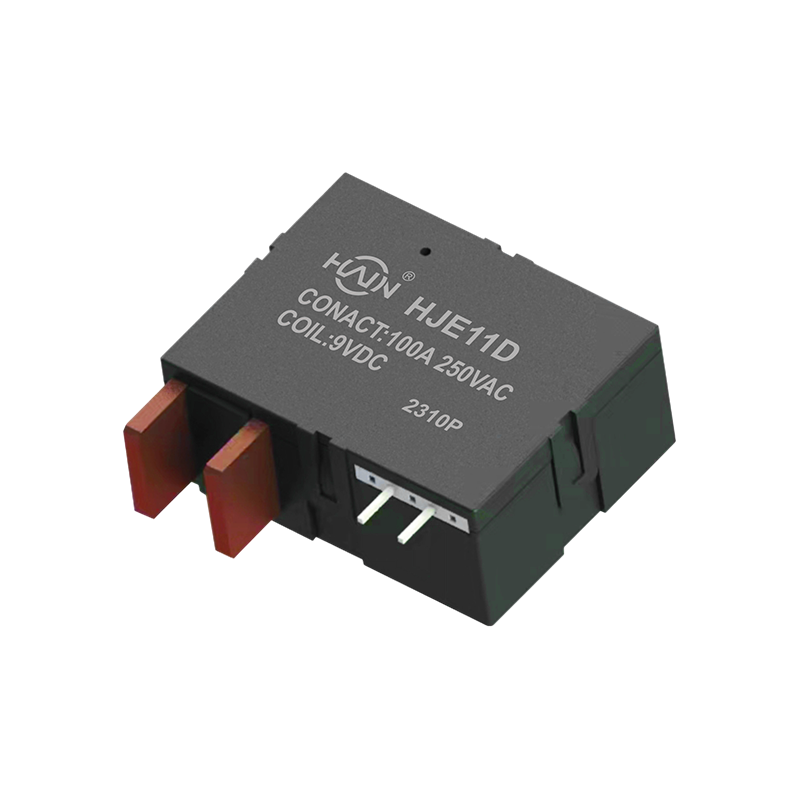
Redefining the DIN rail meter, one chip solves two major problems! The HJE11D-100A is a high-current relay with metering function designed specifically for 4P DIN rail energy meters. It aims to solve ...
See Details
Product Definition: The HJE31B-100A is a split-type 7P DIN rail relay designed specifically for three-phase power systems. It features current monitoring, relay protection, and energy metering functio...
See Details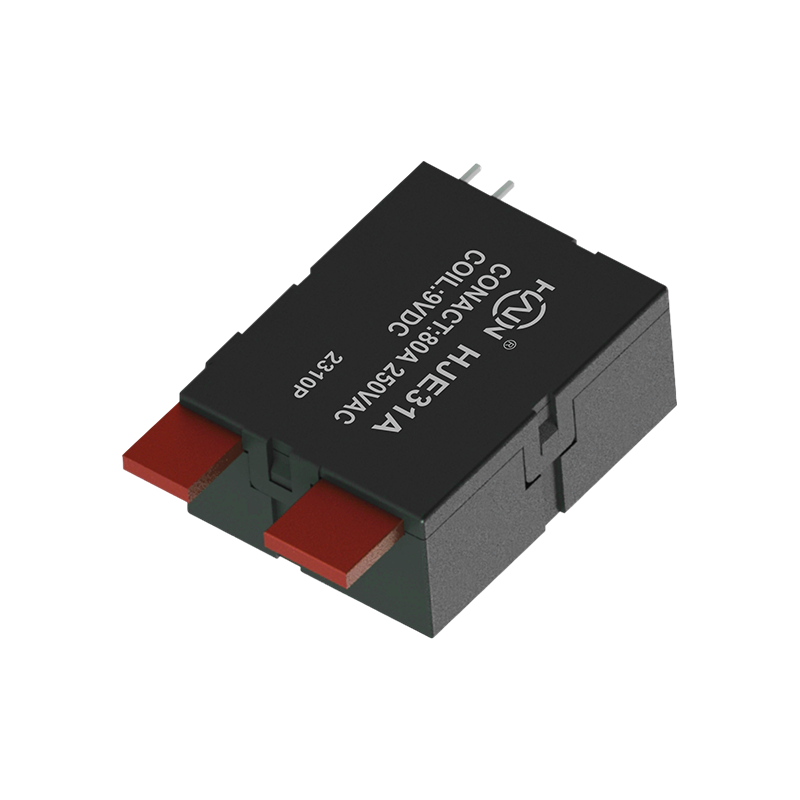
Product Definition: A bottom-in, bottom-out relay specifically designed for 2P DIN rail meters, aiming to improve installation efficiency and system reliability through optimized wiring structure.
See Details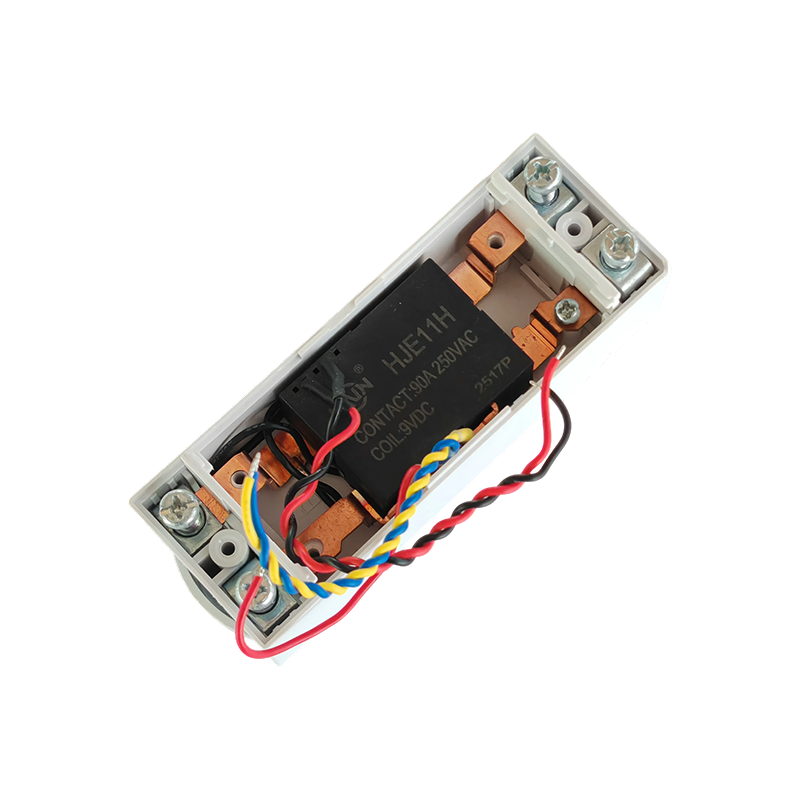
Product Definition:This product is a top-in, bottom-out 2-pole DIN rail relay designed specifically for modern power distribution systems. It integrates a 90A high current carrying capacity, compact s...
See Details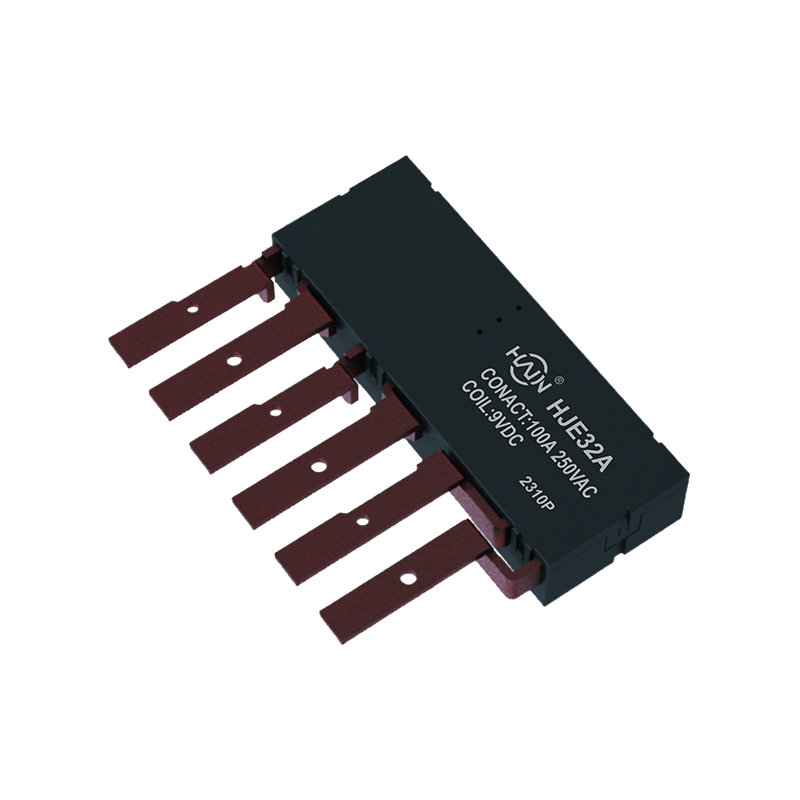
Product Definition: The HJE32A-100A is an innovative integrated three-phase relay designed specifically for 7P DIN rail meters. It aims to perfectly integrate three-phase metering and control, signifi...
See Details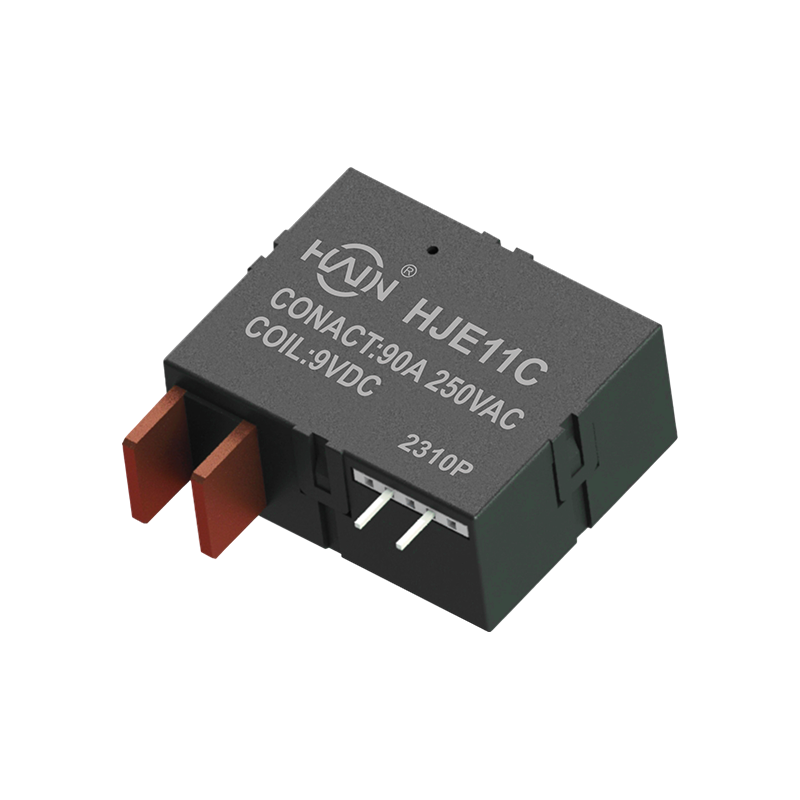
Product Definition: This product is a four-pole DIN rail relay integrating power metering and relay protection functions. Designed specifically for power metering systems, it is widely used in residen...
See Details
 Add.
Add.
|
No. 707, Yanyu Road, Yucheng Town, Haiyan County, Jiaxing City, Zhejiang Province, China
|
 Phone
Phone
|
+86-188-5739-7300
|
 Email.
|
alio@hj-relay.com
|
Copyright @ Huajin Technology Jiaxing Co., Ltd. All rights reserved.
