



 English
 中文简体
中文简体 русский
NEWS
With the rapid global growth of electric vehicles, the development of charging infrastructure has become a critical factor in supporting the EV industry. While people often focus on charging speed, smart management systems, and network deployment, the importance of internal core components is frequently overlooked. Among them, the Charging Station Relay plays a decisive role in ensuring safety, stability, and energy efficiency in charging systems.
This article provides a comprehensive analysis of the Charging Station Relay, including its working principles, applications in different scenarios, and how to select appropriate industrial relay solutions to ensure long-term stable operation of charging stations.
A Charging Station Relay is a relay device specifically designed for EV charging infrastructure. It controls circuit switching through electrical signals, enabling safe power delivery and intelligent system management. Compared with traditional relays, it features low power consumption, high reliability, strong state retention capability, and adaptability to complex grid environments.
In charging stations, the Charging Station Relay is not just a switching component. It also plays a core role in energy efficiency management and system protection. By precisely controlling current and voltage, it prevents overloads, short circuits, and abnormal power interruptions.
The operation of a Charging Station Relay is based on electromagnetic or electronic control technology. When a control signal is received, the internal contacts close or open to regulate power flow to the electric vehicle. Modern intelligent designs often include dual-circuit or multi-circuit structures to improve system reliability.
| Parameter | Description |
| Control Voltage | 12V, 24V, or 220V depending on system requirements |
| Rated Current | 10A–100A supporting fast and slow charging |
| Response Time | ≤10ms ensuring fast protection |
| Service Life | ≥100,000 cycles for long-term operation |
EV charging reliability is a key performance indicator for charging infrastructure. The Charging Station Relay ensures stable voltage and current control, reducing the impact of grid fluctuations and improving overall system availability.
In real-world applications, charging stations often face power instability issues such as voltage spikes, load imbalance, and harmonic interference. The Charging Station Relay responds quickly to abnormal conditions and protects both the vehicle and charging equipment.
| Fault Type | Relay Response |
| Voltage Surge | Rapid disconnection to prevent damage |
| Overcurrent | Switch to protective mode or cutoff |
| Short Circuit | Isolate the faulty circuit immediately |
| Grid Fluctuation | Stabilize output current dynamically |
Through redundancy design, the Charging Station Relay ensures continuous operation even when part of the system fails, significantly improving EV charging reliability.
With the development of smart grids, charging stations have evolved into key nodes in energy management systems. The Charging Station Relay enables real-time communication with control systems and supports intelligent charging strategies.
It can dynamically adjust charging power based on grid load, electricity price, and demand conditions. During peak hours, it reduces charging load; during off-peak hours, it increases charging efficiency. This improves both grid stability and operational cost efficiency.
The Charging Station Relay also supports remote monitoring and fault prediction, allowing operators to maintain system stability around the clock.
Safety is one of the most critical concerns in EV charging systems. The Charging Station Relay provides essential protection against electrical hazards such as short circuits, overvoltage, and overcurrent conditions.
These safety mechanisms significantly enhance charging station safety and increase user trust in EV infrastructure.
| Safety Function | Purpose |
| Short Circuit Protection | Prevents fire and system failure |
| Overvoltage Protection | Protects sensitive electronic components |
| Overcurrent Protection | Ensures battery and system stability |
| Thermal Monitoring | Prevents overheating failure |
The Charging Station Relay is also a critical component in power management systems. It enables dynamic load distribution across multiple charging points and improves overall energy efficiency.
In large-scale charging networks, it can integrate with renewable energy systems such as solar and energy storage units. This allows priority use of clean energy, reducing operational costs and carbon emissions.
| Charging Point | Load | Capacity | Status |
| A1 | 12kW | 22kW | Normal |
| A2 | 18kW | 22kW | Normal |
| B1 | 8kW | 22kW | Limited |
| B2 | 22kW | 22kW | Normal |
When selecting a Charging Station Relay, operators must consider durability, lifespan, installation convenience, and maintenance cost. Different industrial relay solutions vary in performance and application scenarios.
Choosing the right solution improves both safety and operational efficiency while reducing long-term costs.
The Charging Station Relay is far more than a traditional switching device. It ensures safety, enhances smart charging control, improves energy efficiency, and supports advanced power management systems.
As EV adoption continues to grow, intelligent and safe charging infrastructure becomes essential. The Charging Station Relay will remain a core technology in future charging networks, enabling reliable and efficient energy distribution.
A traditional relay is used for basic circuit switching, while a Charging Station Relay is designed specifically for EV charging systems with higher reliability, smart control capabilities, and enhanced protection features.
Yes. It provides protection against short circuits, overvoltage, overcurrent, and overheating, significantly improving charging station safety.
Selection depends on durability, technical specifications, lifespan, environmental adaptability, and system requirements of the charging station.
Yes. It supports remote monitoring and intelligent scheduling, enabling integration with smart grid systems for load balancing and energy optimization.
Yes. A stable Charging Station Relay ensures uninterrupted charging and reduces system failures, improving overall user experience.
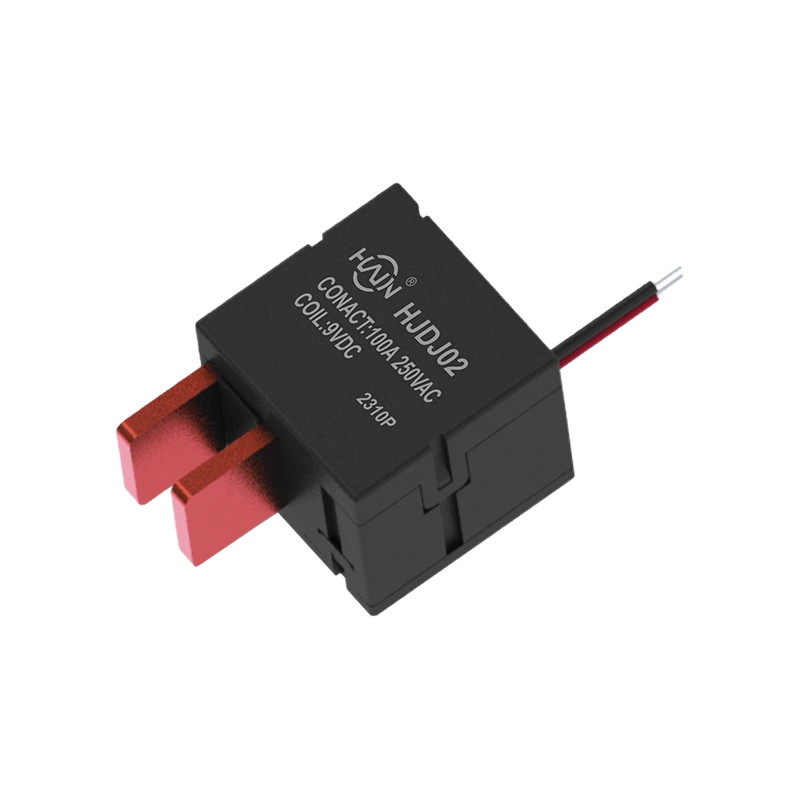
Product Definition: This product is a core control device designed for harsh industrial environments. Its key feature is its design specifically for high loads and complex electromagnetic environments...
See Details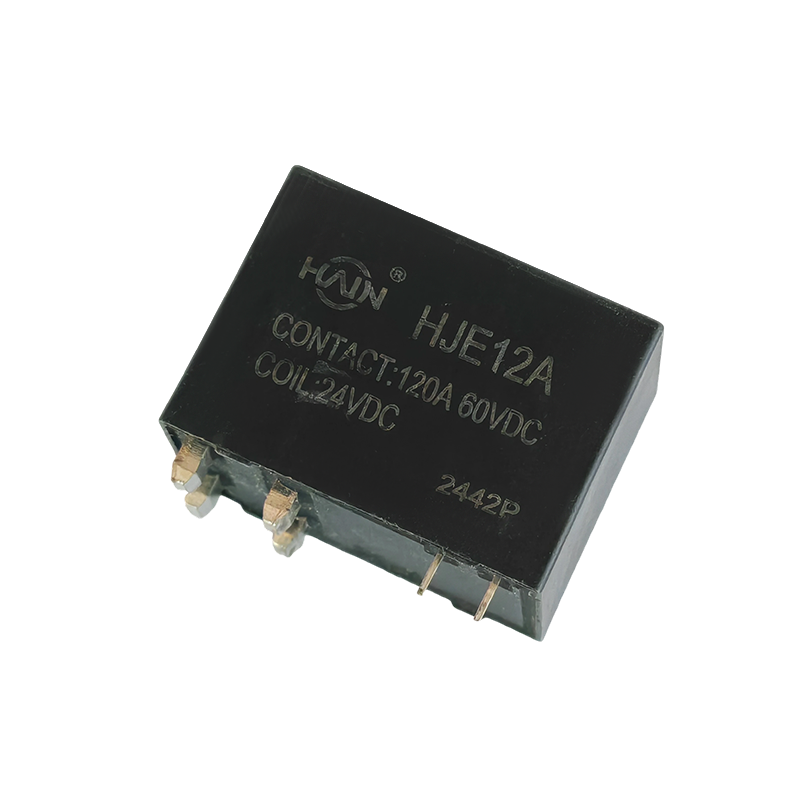
The Powerful Core of the PDU! The HJE12A-120A is a PCB-based through-hole high-power relay designed specifically for rack-mount power distribution units (PDUs), aiming to achieve PDU miniaturization, ...
See Details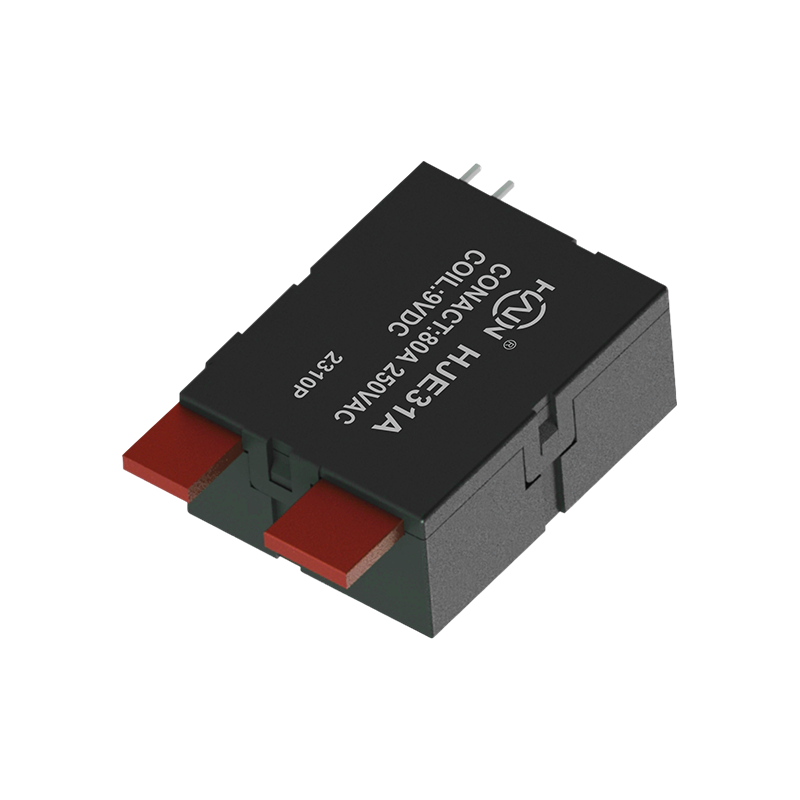
Product Definition: A bottom-in, bottom-out relay specifically designed for 2P DIN rail meters, aiming to improve installation efficiency and system reliability through optimized wiring structure.
See Details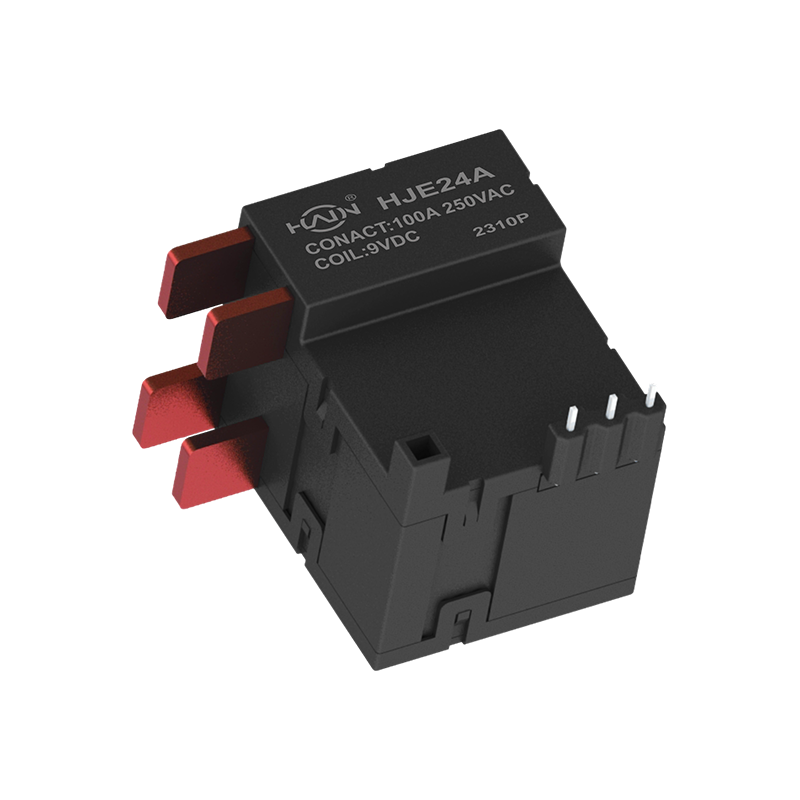
Dual-core drive, designed for demanding power control This is a high-current dual-channel relay compliant with UC3 safety standards, specifically designed for industrial scenarios requiring independen...
See Details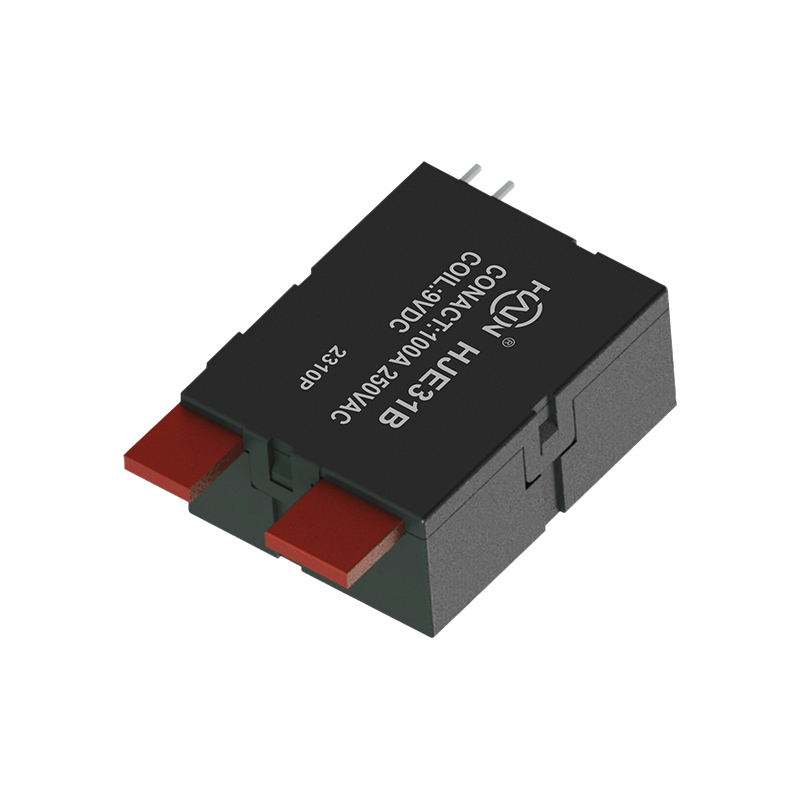
Product Definition: The HJE31B-100A is a split-type 7P DIN rail relay designed specifically for three-phase power systems. It features current monitoring, relay protection, and energy metering functio...
See Details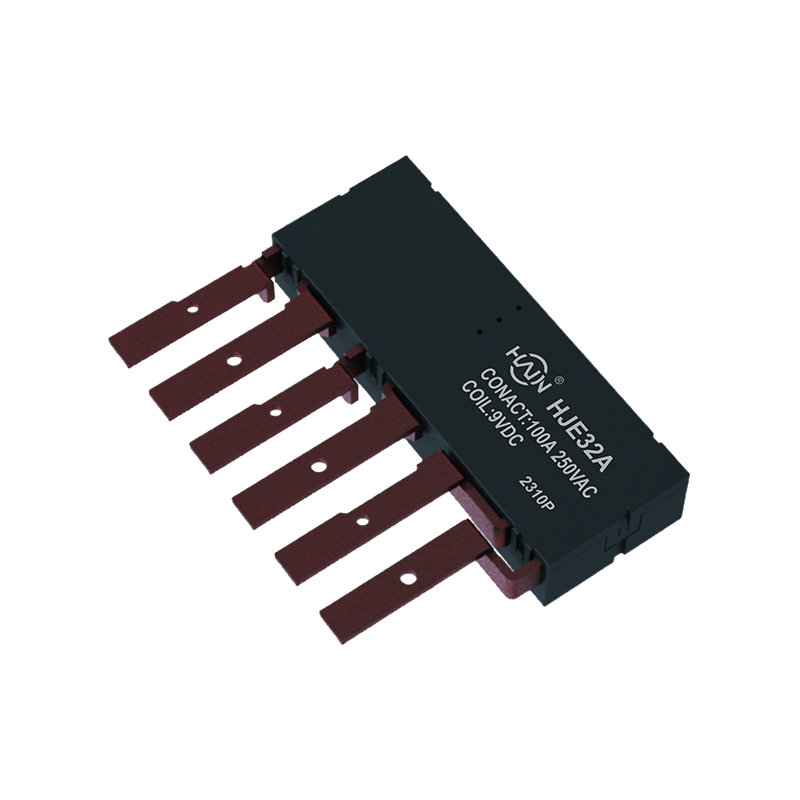
Product Definition: The HJE32A-100A is an innovative integrated three-phase relay designed specifically for 7P DIN rail meters. It aims to perfectly integrate three-phase metering and control, signifi...
See Details
 Add.
Add.
|
No. 707, Yanyu Road, Yucheng Town, Haiyan County, Jiaxing City, Zhejiang Province, China
|
 Phone
Phone
|
+86-188-5739-7300
|
 Email.
|
alio@hj-relay.com
|
Copyright @ Huajin Technology Jiaxing Co., Ltd. All rights reserved.

